2026 Top Canned Fish Suppliers for Global Buyers?
Choosing the right canned fish supplier in 2026 requires more than comparing prices on a spreadsheet. Global buyers need consistent quality, verified origins, dependable production, and communication that survives pressure. This guide examines leading suppliers through practical sourcing criteria, not promotional claims. Product samples matter. A bright label means little if the fish texture is dry or the can seam fails inspection. We consider tuna, sardines, mackerel, anchovies, and regional specialties. The goal is useful purchasing context.
Reliable suppliers should provide traceability from vessel or farm to finished case. Buyers should review species identification, catch methods, labor standards, food safety systems, and export documentation. Recognized certifications can support confidence, but certificates require validation and current scope checks. Factory visits, third-party audits, and retained samples reveal details online catalogs often hide. Ask about histamine controls, sterilization records, allergen management, metal detection, and recall procedures. Packaging also deserves close attention. Can sizes, easy-open ends, carton strength, and pallet stability affect landed costs and retail performance. Small details matter.
This overview does not treat “top” as a permanent ranking. Supplier capability can change with harvest conditions, regulations, freight disruptions, or ownership changes. That is easy to underestimate. We may also overlook smaller producers with excellent regional products. Buyers should confirm every claim directly and test shipments before signing long contracts. Pricing remains important, yet the cheapest offer can create waste, delays, or customer complaints. The strongest partnership balances verified quality, transparent sourcing, responsive service, and realistic capacity. Use this guide as a starting point, not a substitute for due diligence.
Canned Fish Market Overview and Key Product Categories
2026 Top Canned Fish Suppliers for Global Buyers?
Canned fish remains a practical protein category for retailers, foodservice operators, and emergency food programs. The FAO’s State of World Fisheries and Aquaculture 2024 reports 185.4 million tonnes of global aquatic animal production in 2022. About 89% entered direct human consumption. That figure supports continued demand for shelf-stable seafood, especially where refrigeration is limited.
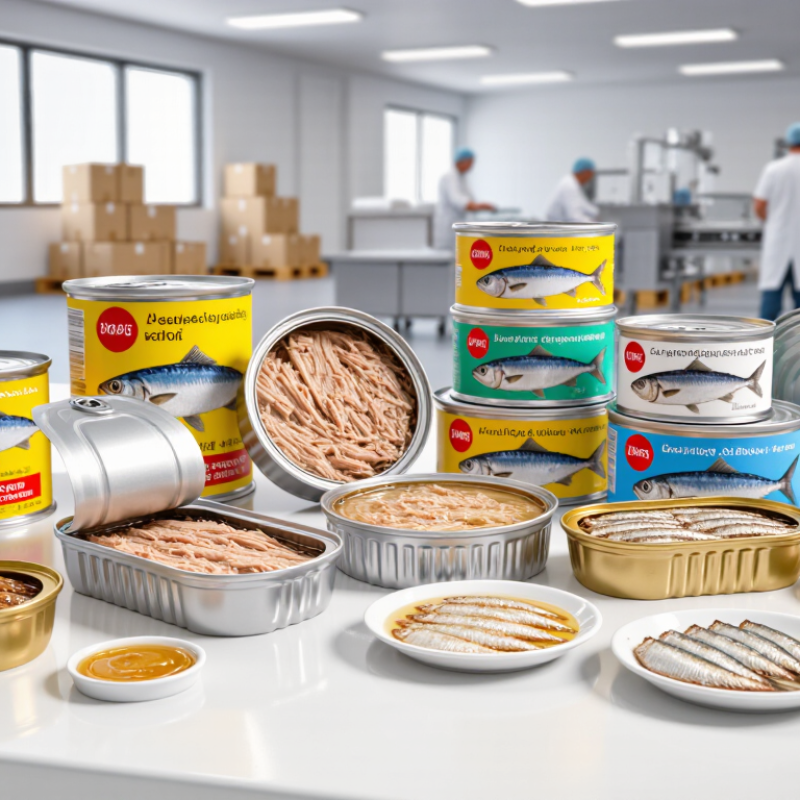
Key product categories include canned tuna, sardines, mackerel, salmon, anchovies, shellfish, and mixed seafood. Buyers also compare packing formats, such as oil, spring water, brine, tomato sauce, and ready-to-eat meals. Tuna often suits sandwiches and salads. Sardines and mackerel provide stronger flavor and smaller retail portions. Salmon serves premium channels, although supply can be more sensitive to seasonal costs. Simple choices matter.
Supplier evaluation should go beyond price. Global buyers need verified catch documentation, lot-level traceability, food safety controls, drained-weight accuracy, and dependable export records. The OECD-FAO Agricultural Outlook 2024–2033 expects aquatic food consumption to keep expanding, but forecasts remain exposed to climate pressure, fuel costs, and changing trade rules. I would not rank suppliers by catalog size alone. A broad catalog can hide uneven quality. Container loading photos, sample testing, and production audits reveal more than polished brochures. One weakness remains: public market reports often group canned seafood with wider processed-food segments, making precise category comparisons difficult.
How to Identify Reliable Canned Fish Suppliers in 2026
Reliable canned fish sourcing in 2026 starts with evidence, not attractive catalog photos. Experienced buyers should request factory registration details, recent audit reports, product specifications, and traceability records. The supplier should identify the fishing area, processing date, lot number, and packaging location. Clear answers matter.
Ask for samples from different production lots. Check the fish’s texture, smell, liquid level, can seams, and label accuracy. Independent laboratory reports can confirm microbiological safety, heavy metal limits, and nutritional information. Test results should match the exact product supplied. Generic documents are a warning sign.
Production capacity also requires careful verification. Review cold-chain procedures, warehouse conditions, sanitation records, and quality-control checkpoints. A dependable supplier explains how damaged cans are isolated and how complaints are investigated. Communication speed is useful, but technical accuracy matters more. Request a trial order before signing a large contract. Small inconsistencies often appear there.
Payment terms, lead times, carton strength, and loading photographs deserve attention. Ask how delays are reported and documented. No supplier is perfect. Even strong factories may have seasonal shortages or packaging changes. Buyers should record every agreement and review performance after each shipment. That practical discipline reduces surprises.
Leading Canned Fish Supplier Regions and Export Markets
Southeast Asia remains a major sourcing region for canned tuna, with established ports, freezing facilities, and experienced processing teams. Buyers often value consistent loins, reliable can sizes, and documentation that supports each shipment.
Mediterranean and North African suppliers are important for canned sardines, mackerel, and anchovies. Their nearby access to European markets can reduce transit time and simplify replenishment. Southern European processors also serve retail and foodservice buyers that require specific recipes, pull-tab cans, or smaller household portions.
Pacific suppliers contribute tuna products, while South American regions support growing demand across North America and regional markets. Export decisions should consider catch seasons, port congestion, container availability, and tariff rules. A low quoted price can lose value when delivery schedules remain uncertain.
Traceability matters. Buyers should review vessel records, processing dates, temperature controls, allergen statements, and third-party audit reports. Details decide deals. Yet documentation is not always perfect, especially when several processors handle one order. I have seen specifications look complete while packaging language remained unsuitable for the destination market. Clear pre-shipment samples, carton checks, and independent inspections can prevent expensive corrections. Suppliers with practical export experience usually explain these weaknesses before contracts are signed.
Quality, Safety, Sustainability, and Certification Standards
For global buyers, canned fish suppliers must prove more than attractive pricing. FAO’s The State of World Fisheries and Aquaculture 2024 reported 185 million tonnes of aquatic animal production in 2022. About 89% went to direct human consumption. This scale makes supplier verification essential, especially for tuna, sardines, mackerel, and salmon products.
Quality begins with controlled handling. Buyers should request harvest records, temperature logs, metal-detector checks, and laboratory results for histamine, heavy metals, and microbiological hazards. HACCP systems and ISO 22000 certification provide a useful structure, but certificates need current audit dates and clear production-site coverage. Check the can.
Safety also depends on packaging. Inspect seam integrity, vacuum performance, corrosion resistance, and shelf-life validation. Codex food hygiene principles support these controls. Yet paperwork can hide weak factory habits. Independent audits, sample testing, and traceability exercises offer stronger evidence than certificates alone.
Sustainability requires species-level transparency. The FAO reports that aquatic foods supplied approximately 20.7 kilograms per person globally in 2022, increasing pressure on wild stocks and farming systems. Responsible suppliers should disclose fishing areas, vessel documentation, bycatch controls, and labor-risk screening. Recognized fishery certifications and audited chain-of-custody systems can support these claims. They cannot guarantee perfection. A 2025 supplier may still rely on outdated records or incomplete subcontractor data. Buyers should compare certification scope, not merely certification logos, and review corrective actions before approving long-term contracts.
Global Buyer Guide to Pricing, Logistics, and Supplier Selection
2026 Top Canned Fish Suppliers for Global Buyers?
Global buyers should compare canned fish offers beyond the headline price. A reliable quote states species, catch area, can size, oil or brine, carton count, and delivery terms. Raw material seasons can change pricing quickly. Packaging metal costs may also shift. Ask whether the price includes inspection, export documents, and inland transport. Details matter.
Request a complete sample set before signing a large order. Check drained weight, texture, aroma, sealing quality, label accuracy, and carton strength. A low quote can look attractive. It may hide a smaller fish size or a higher water ratio. Confirm production capacity, minimum order quantity, payment stages, and realistic lead times. Written specifications reduce costly misunderstandings.
Logistics need equal attention. Confirm shelf-life at shipment, pallet dimensions, container loading plans, and port handling procedures. Canned products tolerate normal ambient transport, but damaged cartons and prolonged heat can still create problems. Review traceability records, food-safety controls, laboratory results, and independent audit evidence. Suppliers should explain recall procedures and respond clearly to difficult questions. A video call is useful, but it is not a factory audit. Buyers should keep a second approved source, even when the first supplier performs well. That may increase administrative work, yet it protects future supply when harvests, freight rates, or port schedules change unexpectedly.
2026 Top Canned Fish Suppliers for Global Buyers
Indicative FOB price benchmarks by canned fish category
The chart compares typical export price ranges used for preliminary supplier screening. Tuna and salmon generally command higher prices because of raw-material costs, while sardines and mackerel are often more cost-competitive. Final quotations depend on species, packing format, net weight, origin, certification, order volume, Incoterms, and freight conditions.