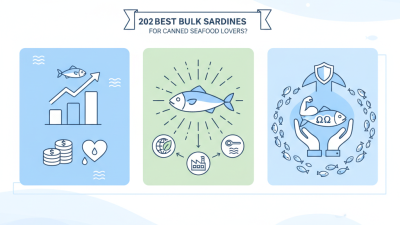
Top Benefits of Sardine Fish for Global Buyers in 2026?
Sardine fish is gaining attention globally, especially as consumers seek healthy food options. These small fish are rich in omega-3 fatty acids, proteins, and essential nutrients. This makes them a valuable addition to diets worldwide. In 2026, the demand for sardine fish is expected to rise significantly.
Global buyers are recognizing the health benefits of sardine fish. They provide heart-healthy fats that can lower cholesterol levels. Additionally, sardines are a great source of vitamin D and calcium, supporting bone health. These attributes attract both health-conscious consumers and culinary experts. Chefs are showcasing sardines in innovative recipes, further driving interest.
However, challenges remain. Overfishing is a concern for sustainability. Not all sardine fish sources are created equal. Buyers must be aware of responsible sourcing and quality standards. As the market for sardines grows, consumers and suppliers alike must navigate these complexities while enjoying the numerous advantages of sardine fish.
Nutritional Profile of Sardine Fish for Consumers in 2026
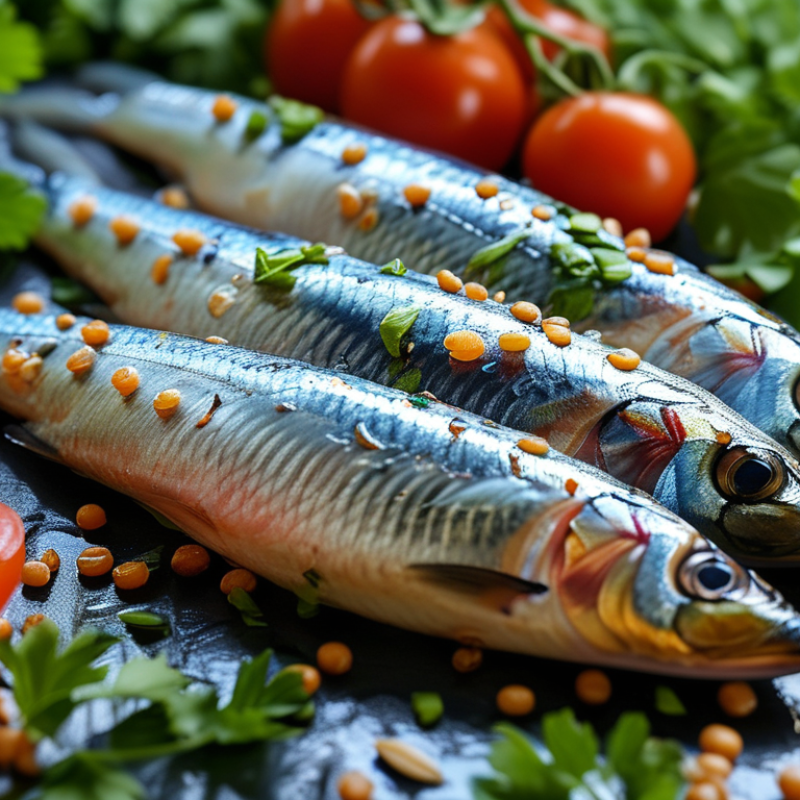
Sardine fish, often overlooked, plays a vital role in a balanced diet. These small, oily fish are packed with omega-3 fatty acids, which support heart health. They are also rich in protein, vital for muscle repair and growth. Nutritionally, sardines are a powerhouse, offering essential vitamins such as B12 and D, plus minerals like calcium and selenium.
For consumers in 2026, the appeal of sardines lies in their convenience and sustainability. They are typically canned, making them easy to store and use. This not only minimizes food waste but also provides a source of nutritious food year-round. However, some might find the strong taste overwhelming. A gradual introduction to sardines can help adjust to their unique flavor profile.
Despite their benefits, it’s essential to balance sardine consumption with other protein sources. A varied diet remains crucial for overall health. Sardines might not suit everyone's palate, but exploring different recipes can help incorporate them effectively into meals. Embracing these small fish can lead to a healthier lifestyle.
Environmental Sustainability of Sardine Fishing Practices
The environmental sustainability of sardine fishing practices is increasingly crucial as global demand rises. According to the Food and Agriculture Organization (FAO), nearly 70% of the world's fish stocks are either fully exploited or overexploited. Sardines, known for their high protein content and omega-3 fatty acids, are a dietary staple in many regions. Sustainable practices can ensure the long-term viability of sardine fisheries.
Responsible fishing methods, such as limiting bycatch and adhering to seasonal catches, are gaining traction. The Marine Stewardship Council reports that certified sustainable fisheries can benefit both the ecosystem and local economies. However, issues persist. Illegal fishing practices continue to threaten sustainability efforts, leading to dwindling populations of sardines. This not only harms the marine environment but also jeopardizes livelihoods that depend on fishing.
Investing in monitoring technology can enhance transparency in the industry. Innovations like satellite tracking systems are effective in managing fishing quotas. But the implementation of these technologies is inconsistent across regions. Addressing these challenges is vital to improving the sustainability of sardine fishing practices. Global buyers should consider these factors when sourcing sardines, prioritizing fisheries that promote eco-friendly practices.
Economic Impact of Sardine Trade on Global Markets
The global sardine trade plays a crucial role in various economies. Sardines are not just a food source; they impact employment and trade balances. In many coastal regions, the fishing and processing of sardines provide jobs for thousands. These jobs are vital for local communities and help stimulate regional growth.
Market demand for sardines has been increasing, especially in developing countries. This growth can lead to positive economic impacts. However, challenges exist. Overfishing can threaten populations, creating uncertainty for future markets. It's vital to find a balance between consumption and sustainability. Sustainable practices can ensure that sardine fisheries remain viable for years to come.
Global buyers must consider these dynamics. They need to understand the local markets. Engaging in ethical sourcing practices not only benefits economies but also protects our oceans. A responsible approach may lead to more reliable supply chains. Buyers should reflect on their choices and their broader implications.
Top Benefits of Sardine Fish for Global Buyers in 2026
Culinary Versatility of Sardines in Global Cuisine
Sardines are becoming increasingly valuable in global cuisine. Their culinary versatility allows them to fit into various dishes, appealing to diverse palates. According to a 2023 report by the Global Seafood Alliance, sardine consumption has risen by 15% over the past five years. This trend highlights their growing role in everyday meals.
Cooks appreciate sardines for their rich flavor and high nutritional content. They are an excellent source of omega-3 fatty acids, protein, and essential vitamins. A serving of sardines can provide over 300% of the daily recommended intake of vitamin B12. Chefs are experimenting with these fish, incorporating them into salads, pastas, and sandwiches. The possibilities are endless, from simple grilling to complex sauces.
However, not all preparations are perfect. Some may find the strong flavor off-putting or struggle with the bones. Balancing flavors is essential. Too much seasoning can overwhelm the sardine's natural taste. As more regions explore sardine dishes, it's crucial to share best practices and recipes. Emphasizing local ingredients can enhance dishes while respecting cultural traditions. This effort could spark even more interest in sardines on global plates.
Top Benefits of Sardine Fish for Global Buyers in 2026
| Benefit |
Description |
Nutritional Value (per 100g) |
Culinary Uses |
| Rich in Omega-3 Fatty Acids |
Promotes heart health and reduces inflammation. |
2.2g |
Grilled, canned, or in salads. |
| High in Protein |
Supports muscle growth and repair. |
25g |
Pasta dishes, sandwiches, and tacos. |
| Source of Vitamin D |
Essential for bone health and immune function. |
270 IU |
Baked or in soups. |
| Affordable Seafood Option |
Cost-effective protein source for consumers. |
Price varies by region |
Used in various global dishes. |
| Sustainable Consumption |
Sardines are typically abundant and responsibly farmed. |
N/A |
Salads and spreads. |
Health Benefits of Sardine Consumption for Various Age Groups
Sardines are a powerhouse of nutrition for all age groups. They are rich in omega-3 fatty acids, which promote heart health. According to the American Heart Association, omega-3s can reduce the risk of heart disease by up to 30%. This is crucial for the aging population, as heart disease is one of the leading causes of mortality.
For children and teenagers, sardines provide essential nutrients for growth and development. They contain vitamin D and calcium, both vital for building strong bones. The USDA reports that a serving of sardines can provide nearly 50% of the daily recommended intake of calcium. This makes sardines a smart choice for families looking to strengthen their children's diets.
However, there are challenges. Some people might find the taste of sardines off-putting. This can limit their consumption. Additionally, not everyone is aware of the numerous health benefits these small fish offer. There is a need for greater awareness in the market. Education can help bridge this gap, encouraging more people to incorporate sardines into their meals.