Top 10 Benefits of Sardine Fish for Global Buyers
Sardine fish has gained significant attention in recent years for its remarkable health benefits and sustainability. Dr. Emily Richards, a marine biologist and sardine fish expert, states, "Sardines are a powerhouse of nutrients that can boost global health." This emphasizes the growing recognition of sardine fish in nutrition and economic sectors.
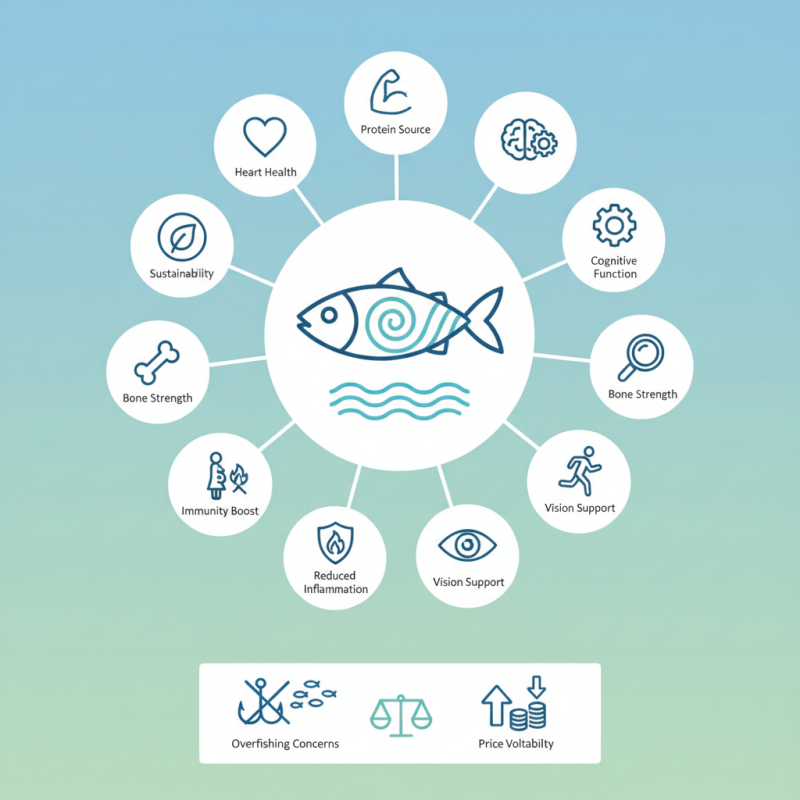
One of the central benefits of sardine fish is its high omega-3 fatty acid content. These essential fats support heart health and reduce inflammation. Furthermore, sardines are an excellent source of protein, making them a popular choice among health-conscious consumers. The growing demand for sustainable seafood also highlights the importance of sardines, as they are abundant and can be harvested responsibly.
Despite the many positives, some challenges persist. The sardine fish industry faces issues like overfishing and fluctuating market prices. These factors can complicate global trade. Buyers should weigh these aspects carefully. Overall, sardine fish stands out as a nutritious and eco-friendly option for conscious buyers worldwide.
Health Benefits of Sardines: Rich in Omega-3 Fatty Acids
Sardines are small, nutrient-rich fish that are becoming increasingly popular among health-conscious consumers. These fish are packed with omega-3 fatty acids, which play a crucial role in heart health. Omega-3s are effective in reducing inflammation, lowering blood pressure, and improving cholesterol levels. Eating sardines can provide essential fatty acids that are often lacking in modern diets.
Besides heart benefits, sardines also offer a wealth of vitamins and minerals. They are an excellent source of vitamin D and calcium, vital for maintaining strong bones. Furthermore, sardines contain selenium, which supports immune function. Incorporating sardines into meals can enhance nutritional intake significantly.
However, it's essential to consider the environment and sustainability. Overfishing concerns exist, impacting fish populations. Global buyers must research and choose sustainably sourced sardines. This effort raises awareness of the fishing industry's impact on marine ecosystems. Emphasizing responsible consumption is crucial for future fish availability. Sardines can nourish our bodies while reminding us to honor and protect our oceans.
Nutrient Density: Vitamins and Minerals Found in Sardine Fish
Sardine fish are small but mighty. Packed with essential nutrients, they stand out in the seafood category. A 3.5-ounce serving contains about 500 milligrams of omega-3 fatty acids. These healthy fats are vital for cardiovascular health. The American Heart Association recommends consuming omega-3s for heart protection.
Vitamins and minerals are abundant in sardines. They are an excellent source of Vitamin B12, providing over 300% of the daily recommended value in just one serving. This vitamin is key for energy production and nervous system health. Additionally, sardines contain selenium, a powerful antioxidant. Studies show selenium plays a vital role in immune function.
Sardines also offer calcium and phosphorus, crucial for bone health. A serving can deliver more than 30% of the daily calcium needs. This benefit is especially important for populations at risk of osteoporosis. However, some may hesitate due to the fishy taste. Finding the right preparation can help overcome this hurdle. Embracing sardines may require culinary exploration but the health benefits can be substantial.
Sardines as a Sustainable Seafood Choice for Environmentally Conscious Buyers
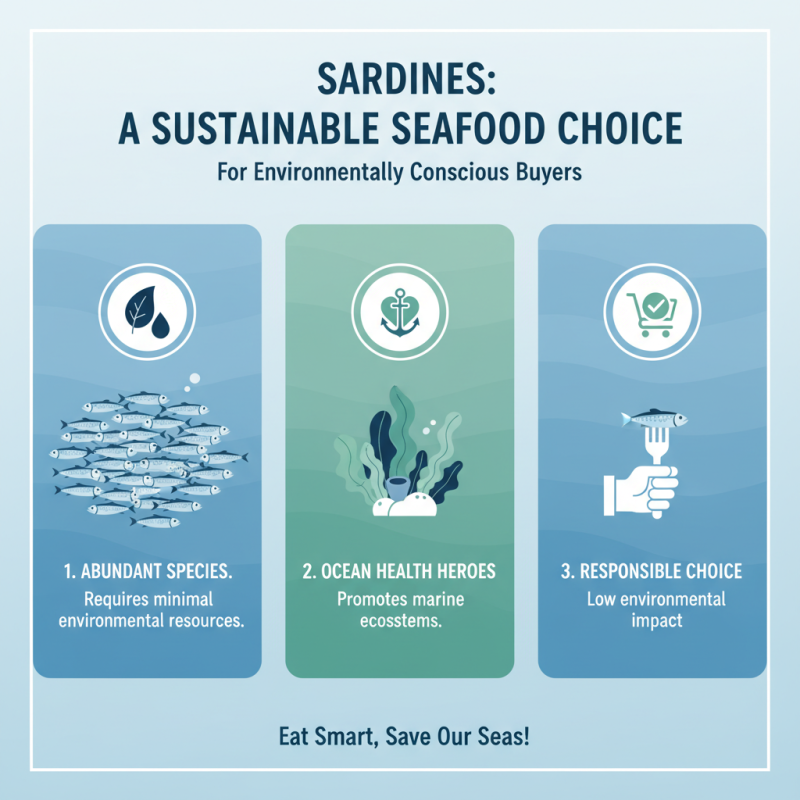
Sardines are gaining recognition as a sustainable seafood choice. These small fish play a big role in promoting ocean health. They are abundant, requiring minimal environmental resources for harvesting. As a result, they are often viewed as a responsible choice for environmentally conscious consumers.
When purchasing sardines, look for those that are wild-caught and certified by reputable organizations. Knowing the source of your seafood can make a significant difference. This awareness promotes responsible fishing practices. Checking for sustainability labels adds credibility to your purchase. It’s important to support fisheries that prioritize marine ecosystem health.
Incorporating sardines into your diet is both nutritious and eco-friendly. They are rich in omega-3 fatty acids and protein, and they require less feed and energy compared to larger fish. However, their high levels of mercury can be a concern. Balancing your consumption is key. It’s worth reflecting on the impact of your choices, ensuring that your seafood remains not only delicious but also contributing to environmental stability.
Cost-Effective Protein Source: Affordability of Sardines for Consumers
Sardines are a hidden gem in the world of seafood. They offer an affordable protein source for consumers seeking budget-friendly options. These small fish are rich in nutrients, making them a popular choice. A can of sardines can provide a substantial amount of omega-3 fatty acids, which are vital for heart health. This nutrient density often outweighs the cost, which is a bonus for those watching their finances.
For families and individuals looking to stretch their food budgets, sardines are an excellent staple. A single can usually costs less than a dollar. Many people find satisfaction in incorporating sardines into various dishes, from salads to pasta. Yet, some may find the strong flavor intimidating. Experimenting with seasoning might enhance the taste, making it more appealing to a wider audience.
Moreover, sardines often come packed in oil or tomato sauce, adding flavor and convenience. Even though they are affordable, some consumers worry about sustainability. Research shows that sardine fisheries are generally managed well, but it’s important to stay informed. Choosing responsibly sourced options can help ensure the health of ocean ecosystems while enjoying this nutritious fish. Balancing affordable choices with ethical considerations remains a challenge for many consumers.
Versatile Culinary Uses: Incorporating Sardines into Various Dishes
Sardines are a nutritional powerhouse, bringing numerous benefits to the dining table. Their rich omega-3 fatty acids are vital for heart health and cognitive function. The Food and Agriculture Organization reports that regular consumption of sardines can lower the risk of cardiovascular diseases by 30%. This makes them an ideal choice for health-conscious consumers looking to enhance their diets.
Culinary versatility defines sardines. They can be grilled, canned, or incorporated into salads and pasta dishes. The International Seafood Sustainability Foundation highlights their sustainability, noting that sardines are often caught in abundance, making them an eco-friendly option. Chefs can use them in Mediterranean recipes or as a topping on artisan bread. This adaptability can help even amateur cooks elevate their meals efficiently.
However, there are challenges to consider. Sardines may not be as widely accepted in some regions. Their strong flavor can be overwhelming to the uninitiated. Additionally, sourcing high-quality sardines can be inconsistent, affecting overall culinary experience. Consumers might need to explore different brands or preparation methods to discover the best Fit for their palate. This exploration can lead to a more profound appreciation for this nutritious fish.