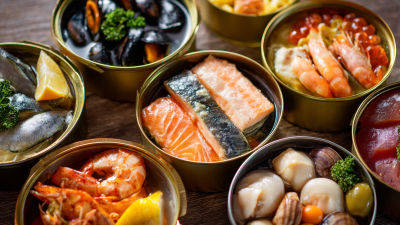
10 Best Canned Seafood Options You Should Try Now?
Canned seafood often gets overlooked in dietary discussions. However, it offers convenience and diverse flavors. Understanding the best canned seafood options can enhance your meals.
Exploring canned seafood can be an adventure. These nutritious choices come packed with protein and healthy fats. They are easy to store and prepare. But not all canned seafood is created equal; some brands skimp on quality.
Finding the best canned seafood requires a keen eye. Look for sustainable sources and minimal additives. Some cans may surprise you with taste and texture. Take time to explore various options. This selection can elevate your everyday meals significantly. You might just discover a new favorite in the process.
Overview of Canned Seafood and Its Benefits
Canned seafood has gained popularity for its convenience and nutritional benefits. This option is not only easy to store but also packed with essential nutrients. It can provide omega-3 fatty acids, protein, and various vitamins, improving heart health and overall wellness. The variety available means there is something for everyone.
When choosing canned seafood, look for options with simple ingredients. Check for sustainable sourcing labels to support eco-friendly practices. Tip: Try different types to discover new favorites. Sardines, tuna, and mackerel are excellent choices. They are rich in flavor and nutrients.
Remember that accessibility is key. Not all canned seafood is created equal. Some may contain higher levels of sodium or preservatives. Take the time to read labels carefully. Tip: Rinse canned seafood under water to reduce sodium content. Enjoy experimenting with these ingredients in salads, pasta, or as stand-alone snacks.
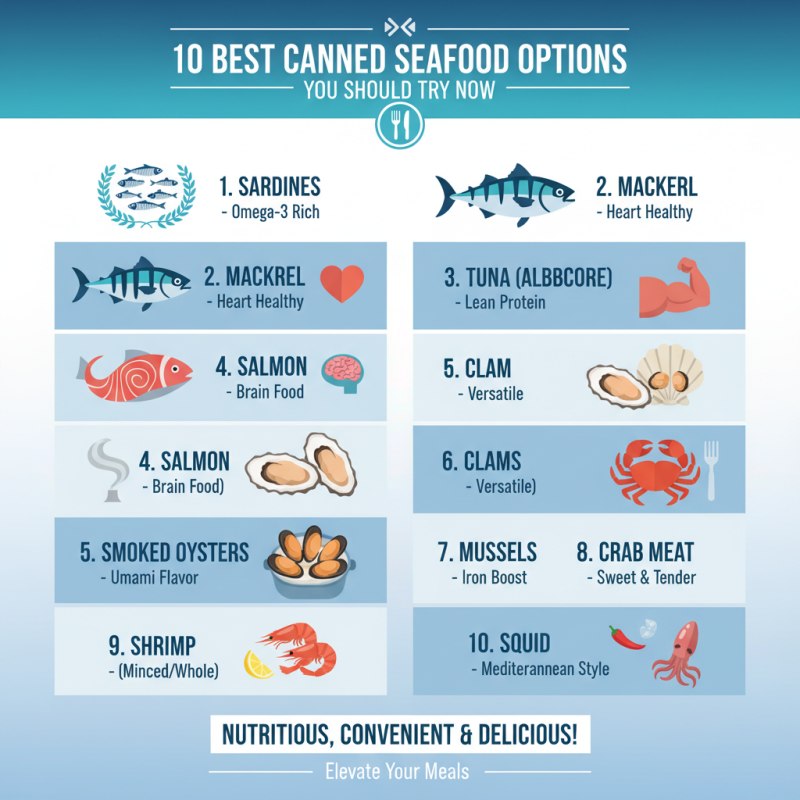
10 Best Canned Seafood Options You Should Try Now
| Seafood Type | Nutritional Benefits | Serving Suggestions | Sustainability Rating |
|---|---|---|---|
| Tuna | High in protein and omega-3 fatty acids | Great for salads, sandwiches, or pasta dishes | Good |
| Salmon | Rich in omega-3s and vitamin D | Serve on crackers or in a breakfast bowl | Excellent |
| Sardines | Packed with calcium and vitamin B12 | Use in salads or on toast | Good |
| Mackerel | High in protein and selenium | Ideal for tacos or rice bowls | Good |
| Clams | Source of iron and vitamin B12 | Perfect for pasta or chowders | Fair |
| Oysters | High in zinc and minerals | Great on the half shell or in sauces | Good |
| Anchovies | High in omega-3s and calcium | Use in Caesar salad dressing or pizzas | Good |
| Crab | Rich in protein and low in fat | Excellent in soups or crab cakes | Fair |
| Octopus | High in protein and low in calories | Serve in salads or as a starter | Good |
| Lobster | Low in calories and high in protein | Use in rolls or creamy pasta | Fair |
Types of Canned Seafood: An Exploration
Canned seafood offers convenience and nutrition. It's a versatile option packed with protein and healthy fats. Many types exist. Understanding these varieties enhances your culinary experience.
Tuna often tops the popularity charts. It's rich in omega-3 fatty acids and easy to integrate into salads or sandwiches. Sardines are another excellent choice. They come loaded with calcium and vitamin D. Research indicates that sardines are among the healthiest canned fish options.
Shellfish, like clams and mussels, are less common but delicious. They provide iron and support heart health. A recent study found that shellfish can aid in reducing cholesterol levels.
When choosing canned seafood, look for BPA-free cans. This is crucial to avoid harmful chemicals. Rinsing seafood before use can reduce sodium levels. If you're exploring different flavors, try adding herbs or spices. Experimentation can lead to delightful discoveries.
Top 10 Canned Seafood Products to Consider
Canned seafood offers a convenient and nutritious way to incorporate seafood into our diets. A recent report from the National Oceanic and Atmospheric Administration (NOAA) states that the global canned seafood market is expected to reach $14 billion by 2027. This data highlights a growing appreciation for the versatility of canned fish, which can be enjoyed in numerous recipes.
Among the top options, canned tuna remains a favorite. It's rich in protein and omega-3 fatty acids, yet many people overlook sustainable sourcing. Sardines are another excellent choice. They pack plenty of flavor along with essential nutrients. The American Heart Association recommends eating seafood regularly, but how often do we truly prioritize quality in our choices? It's a good time to reflect on what we consume.
Mackerel is a powerful contender too; it's affordable and often available in various preparations. However, not all canned seafood is equal. Some brands use excessive preservatives or high levels of sodium. This disparity prompts a need for more consumer awareness about what’s on the shelves. Looking for certifications relating to sustainability can help guide decisions. Canned seafood can be a wholesome addition if you choose wisely.
Nutritional Value of Popular Canned Seafood Options
Canned seafood is a convenient option packed with nutrients. Many people overlook its nutritional benefits. Tuna, for example, is rich in protein and omega-3 fatty acids. These promote heart health and improve brain function. Sardines are another great choice. They offer calcium, essential for strong bones.
Mackerel stands out too. It's high in vitamin D, supporting immune function. While canned seafood is nutritious, it can be high in sodium. Choose low-sodium options when available. This helps maintain a balanced diet.
Tips: Look for seafood canned in water, not oil. This cuts down on extra calories. Rinse canned items before eating to reduce sodium content. As health-conscious individuals, we should reflect on our choices. Making small adjustments can lead to better overall well-being.
Tips for Selecting and Storing Canned Seafood
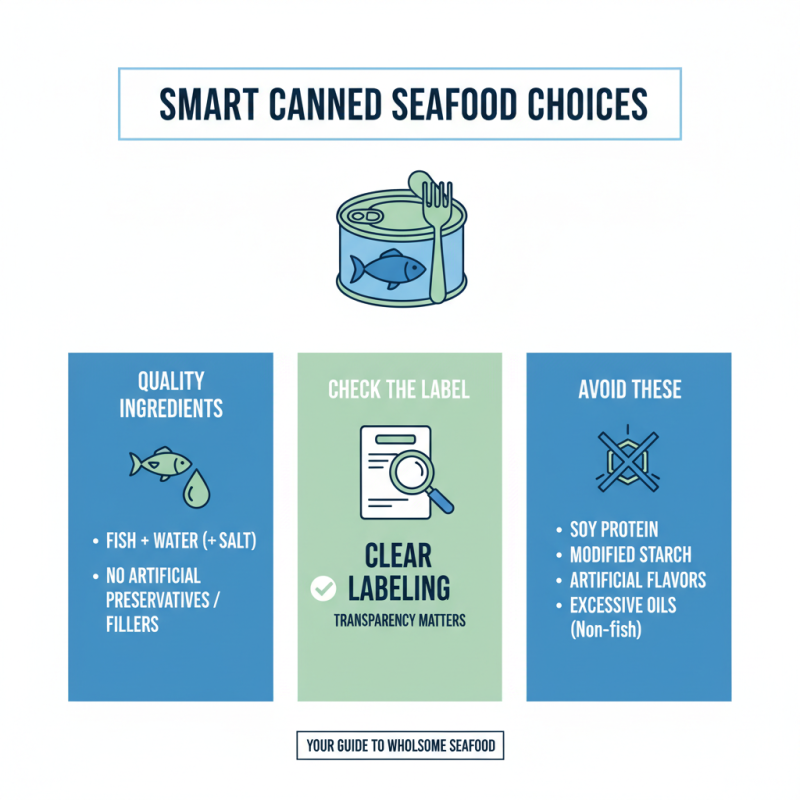
When selecting canned seafood, pay attention to the ingredients. High-quality options often contain just fish and water, maybe salt. Avoid those with artificial preservatives or fillers. Check for clear labeling. Transparency matters in your food choices.
Storing canned seafood correctly extends its freshness. Keep unopened cans in a cool, dark place. Once opened, transfer the seafood to a glass or plastic container. Make sure the container is airtight. Consume it within a few days. It’s important to note that even stored properly, the quality may not be the same.
Consider expiration dates, but don’t ignore your senses. If it smells off or looks strange, don’t risk it. Sometimes, even a well-stored can can surprise you with unexpected flavors. Keeping these pointers in mind will enhance your experience with canned seafood.
Related Posts
-
Unlocking the Ocean's Secrets: A Guide to the Best Tinned Seafood You Need to Try Today!
-
The Sustainable Rise of Tinned Fish Companies: A Deep Dive into Ocean-Friendly Eating
-
Discover the Best Canned Seafood Online for 2025 Top Quality Choices
-
10 Best Tinned Fish Companies for Healthy and Delicious Meals
-
Why Tinned Seafood is a Nutritious and Convenient Meal Option?
-
Best Tinned Fish in the UK A Comprehensive Guide to Top Choices and Benefits