Top Tinned Fish Subscription Boxes for Global Buyers?
Choosing the right tinned fish subscription can feel surprisingly personal. A box of sardines, mussels, or smoked trout may arrive from another country, yet quality depends on more than attractive packaging. Product freshness, can integrity, ingredient sourcing, and delivery reliability all matter.
This guide examines leading options for global buyers with practical standards. It considers seafood variety, serving sizes, subscription flexibility, shipping coverage, and regional import requirements. Some services focus on premium Spanish conservas, while others offer accessible tuna, salmon, and shellfish selections. Buyers should check allergen labels and local customs guidance before ordering. Rules differ by destination.
Small details can reveal a company’s professionalism. Look for clear delivery windows, insulated packing where needed, transparent renewal terms, and responsive customer support. A dented can is not merely disappointing; it may raise safety concerns. Reputable sellers should explain replacement policies without making unrealistic promises.
Taste remains important, of course. A buttery sardine with lemon may suit one reader, while another prefers spicy mussels with crusty bread. I have found that variety often encourages better exploration, but a large box can create waste if household preferences are narrow. That is worth considering.
No subscription is perfect. International shipping can be expensive, delayed, or unavailable in certain regions. Currency conversion may also change the final cost. This overview aims to separate genuine value from polished marketing, helping shoppers compare boxes with clearer expectations. Read the fine print. Then choose the tin you will actually open.
What Tinned Fish Subscription Boxes Are and How They Work
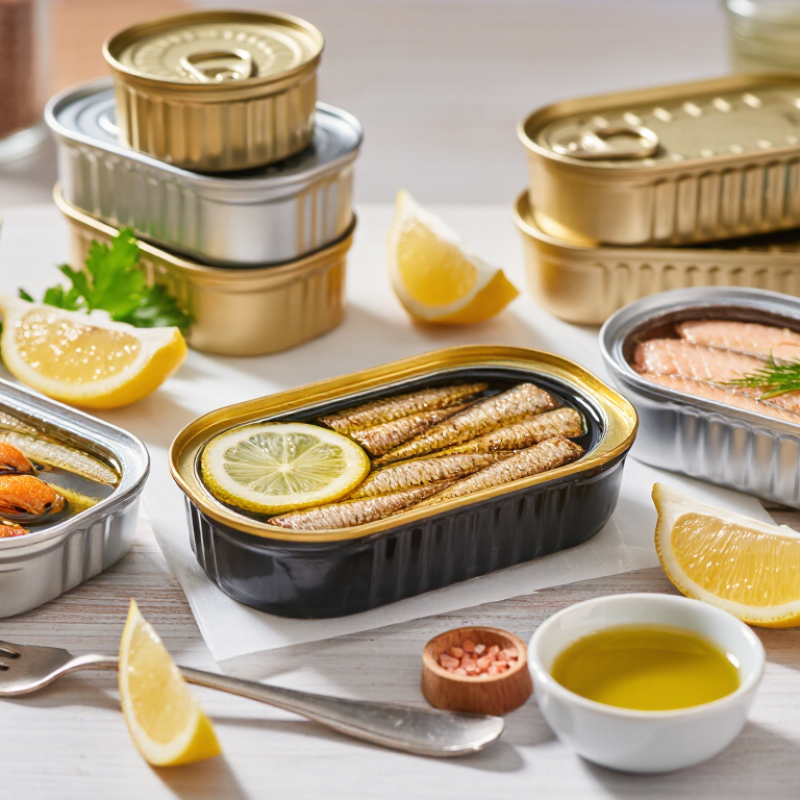
A tinned fish subscription box delivers a selected group of shelf-stable seafood cans at regular intervals. Buyers usually choose monthly, bimonthly, or quarterly shipping. The box may include sardines, tuna, mackerel, mussels, or seasonal specialties. Some services ask about flavor preferences, spice tolerance, and dietary restrictions before shipping.
It works through a recurring payment and a planned dispatch schedule. Each shipment should show clear product names, ingredients, allergens, net weight, origin, and best-before dates. I look for intact tins, readable lot codes, and secure packaging. A swollen, leaking, or badly dented can should not be opened. Food safety guidance matters more than attractive packaging.
Global buyers need to check import rules, delivery coverage, taxes, and local labeling requirements. Shelf-stable does not mean damage-proof. Long transport can expose parcels to heat, moisture, or rough handling. Some boxes offer tracking, replacement policies, and cancellation before the next billing date. Read those terms carefully. I once underestimated delivery delays and received several tins later than expected. The fish was safe, but my meal planning failed. Subscription preferences can also be imperfect. A “mild” selection may still taste salty or strongly oceanic. Reviewing nutrition panels helps people manage sodium, calories, and allergies before ordering.
Key Factors for Comparing International Tinned Fish Subscriptions
Top Tinned Fish Subscription Boxes for Global Buyers?
Key Factors for Comparing International Tinned Fish Subscriptions
International subscriptions should be judged beyond the number of tins. Check the seafood’s species, catch area, harvest method, and processing date. Reliable sellers provide clear sourcing details and realistic delivery estimates. Vague descriptions deserve caution. Freshness matters, even for shelf-stable products.
Shipping can change the real cost quickly. Compare postage, taxes, customs handling, and minimum order values before subscribing. Strong packaging should protect tins from dents, heat, and moisture. Ask whether the seller replaces damaged parcels. Delivery tracking is useful, but it does not solve every border delay. Some countries may restrict certain seafood imports, so buyers should verify local requirements.
A good box offers variety without creating waste. Look for flexible schedules, pause options, and transparent cancellation terms. Nutrition information should include allergens, salt levels, serving sizes, and storage guidance. Traceable suppliers may also explain their sustainability policies, though these claims need evidence. I would not trust attractive environmental language alone.
Taste is personal. Very much so. One box may include oily fish, shellfish, sauces, or plain fillets. Read the product list carefully before choosing a plan. I also prefer services with responsive support and clear refund procedures. No subscription is perfect. A cheaper box may offer less variety, while a premium one may include unnecessary extras. Rechecking the first shipment against the website’s promises can reveal small gaps.
Best Subscription Box Types for Different Global Buyers
Top Tinned Fish Subscription Boxes for Global Buyers?
Global buyers need more than attractive tins. They need a box matching their eating habits, storage space, and local import rules. A starter subscription suits curious shoppers who want small portions and familiar flavors. Choose compact packs. Mild fish, olive oil, and simple seasoning make early tasting easier. Clear ingredient lists also help buyers manage allergies and dietary preferences.
For busy professionals, a shelf-stable meal box offers practical value. Look for pull-tab tins, single servings, and recipes requiring little preparation. Families may prefer larger mixed boxes with several textures and lower-salt choices. Sharing different tins can make tasting less intimidating. Premium sampler boxes suit experienced food lovers who enjoy regional recipes, smoked varieties, or limited seasonal catches. However, premium does not always mean better. Taste matters.
I once underestimated how much shipping distance affects subscription value. A carefully selected box can become expensive after delivery fees, taxes, or delayed customs processing. Buyers should confirm dispatch countries, packaging quality, renewal terms, and replacement policies before ordering. Read the label. Boxes designed for hot climates should use strong insulation and moisture-resistant packaging. Buyers in humid regions may also need cool, dry storage after delivery. I would also question vague sourcing claims. A reliable seller should explain species, catch method, origin, allergens, and best-before dates without hiding behind polished photography.
Top Tinned Fish Subscription Box Types for Global Buyers
Subscription formats vary by household size, discovery goals, and international shipping needs. Sampler boxes suit first-time buyers, standard boxes balance variety and value, premium boxes focus on specialty seafood, and family boxes provide the highest number of tins per monthly delivery. The quantities shown are typical market ranges represented by their midpoint and are intended for comparison rather than brand-specific pricing.
Shipping, Customs, Freshness, and Packaging Considerations
Global buyers should treat shipping as a supply-chain decision, not a checkout detail. Tinned fish is shelf-stable, but heat, dents, and moisture still create risks. The FAO’s State of World Fisheries and Aquaculture 2024 reported 185 million tonnes of aquatic animal production in 2022. That scale increases pressure on ports, warehouses, and inspection systems. Choose sellers offering tracking, sturdy cartons, and clear dispatch schedules. A two-week delay can matter during hot weather.
Customs paperwork deserves equal attention. Each box should show product descriptions, net weight, ingredients, allergens, origin, and a correct tariff classification. Import rules vary widely. The World Customs Organization’s Harmonized System supports international classification, but local authorities may apply additional food requirements. Buyers should check permitted species, labeling language, and taxes before subscribing. Mistakes here are expensive.
Packaging should use tight-fitting dividers, reinforced corrugated cartons, and moisture-resistant inner protection. Loose cans can collide and develop sharp dents. Deep dents near seams are especially concerning. The Codex Code of Hygienic Practice for Low-Acid and Acidified Low-Acid Canned Foods emphasizes controlled processing and container integrity. Freshness is mainly about can condition and storage temperature, not refrigeration. Still, “shelf-stable” is not “indestructible.” The weakest point may be last-mile storage. I would also question subscriptions promising unlimited delivery flexibility, because repeated customs delays can quietly reduce value.