How to Buy Canned Smoked Salmon for Global Sourcing?
Canned smoked salmon has become a popular choice for many consumers worldwide. Its rich flavor and convenient packaging appeal to busy lifestyles. However, buying quality canned smoked salmon can be challenging. Shoppers often face numerous brands and options, making it hard to make the right choice.
In this guide, we'll explore key aspects of sourcing canned smoked salmon globally. It's essential to understand what to look for when selecting a brand. Factors such as sourcing practices, ingredients, and certifications play a vital role in quality. Not every product labeled as smoked salmon meets high standards.
Consumers must be diligent in their research. Reading labels and checking for sustainability certifications can help ensure a reliable purchase. However, it can be easy to overlook details in cans or packaging. Learning to recognize reputable brands will improve your experience with canned smoked salmon. Embrace the journey of sourcing as it can lead to delightful culinary discoveries.
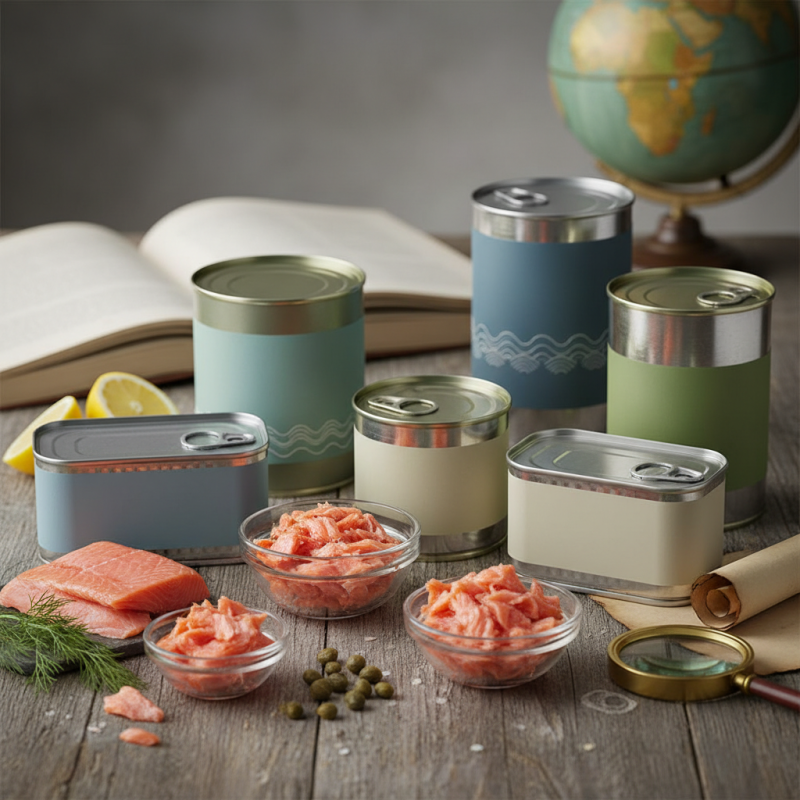
Understanding Canned Smoked Salmon: A Global Sourcing Guide
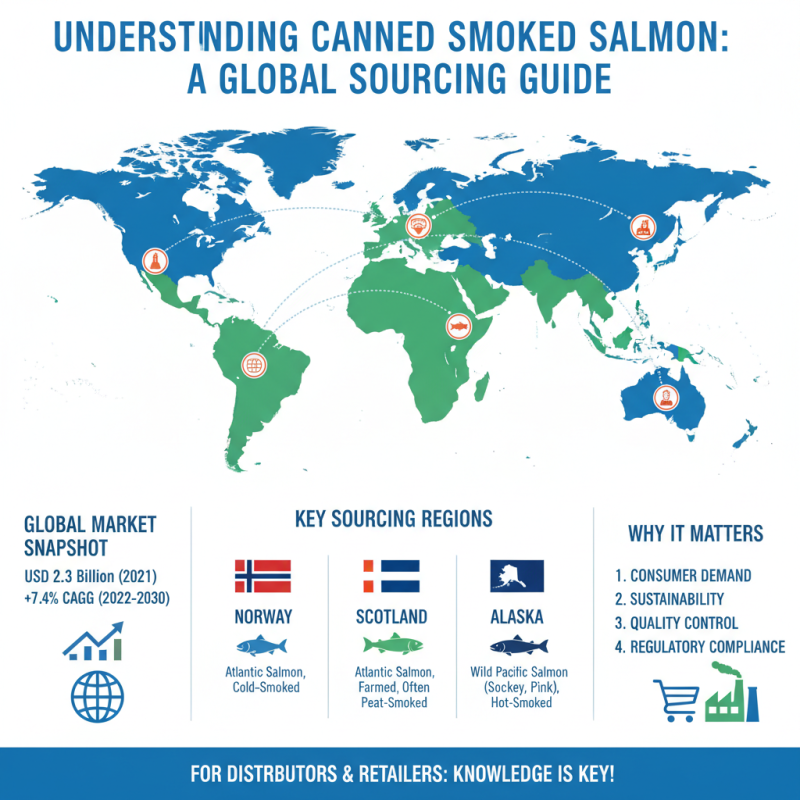
Canned smoked salmon is not just a gourmet treat; it's a global commodity. Understanding its sourcing is essential for distributors and retailers. The global smoked salmon market was valued at approximately USD 2.3 billion in 2021 and is expected to grow at a CAGR of 7.4% from 2022 to 2030, according to industry reports. As demand increases, knowledge about sourcing practices becomes critical.
When sourcing canned smoked salmon, consider the origins and production methods. Countries like Norway, Canada, and Scotland are known for their high-quality products. The fishing practices and sustainability measures employed by these regions can impact flavor and quality. Research indicates that approximately 55% of consumers prefer sustainably sourced seafood. This statistic highlights the importance of aligning with sustainable suppliers, which can also enhance your brand’s reputation.
However, sourcing can be complex. Quality varies widely among producers. Not all products labeled as "smoked" meet the same standards of taste or safety. It’s crucial to evaluate certifications and test products before finalizing orders. Reviews and feedback can guide better decision-making. Relying solely on historical sales data without considering market trends can be misleading, as buyer preferences continue to evolve. Engaging with suppliers can help mitigate risks associated with quality and compliance.
Identifying Reputable Suppliers for Canned Smoked Salmon
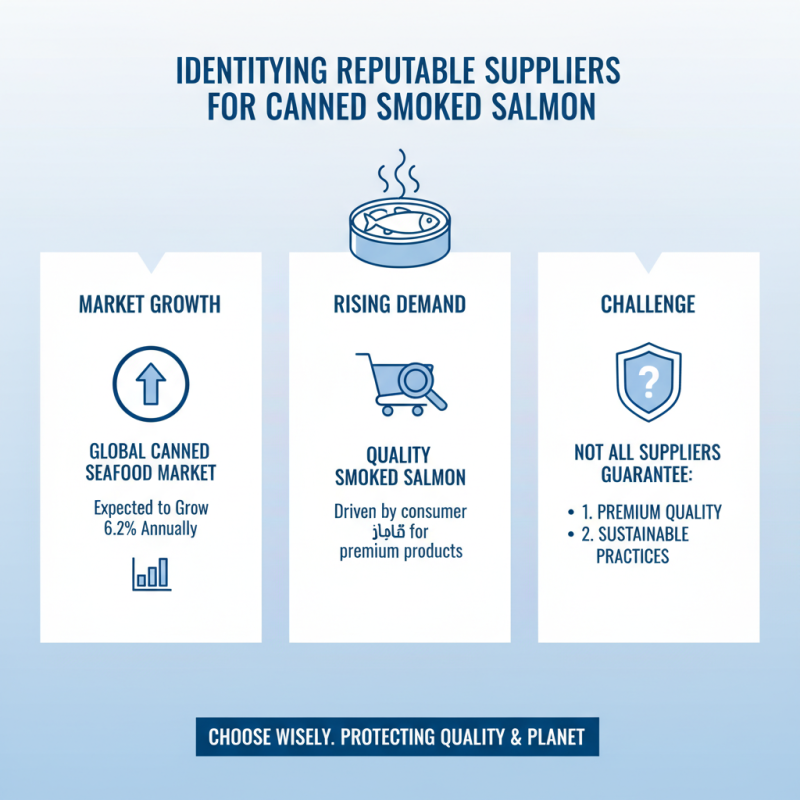
When sourcing canned smoked salmon, finding reputable suppliers is essential. A recent industry report indicated that the global canned seafood market is expected to grow by 6.2% annually. This suggests a rising demand for quality products like smoked salmon. However, not all suppliers guarantee premium quality or sustainable practices.
To identify reliable suppliers, pay attention to their sourcing practices. Look for companies that prioritize wild-caught salmon from sustainable fisheries. Reports highlight that 87% of consumers prefer seafood from certified and eco-friendly sources. Also, check for certifications such as MSC (Marine Stewardship Council) which ensures responsible sourcing.
Tip: Reach out to suppliers directly. Ask detailed questions about their product origin and processing methods. Trust is built through transparent communication.
Review customer feedback and ratings on platforms that specialize in food sourcing. This can provide insights into supplier reliability. However, be cautious, as some reviews may be biased or misleading. Always validate information against multiple sources.
Tip: Compare prices carefully. Extremely low prices could indicate compromised quality. It’s often worth investing a bit more for the assurance of a reputable supplier. Quality is key in fostering long-term business relationships.
Evaluating Quality Standards for Canned Smoked Salmon Products
When considering the purchase of canned smoked salmon, quality standards are paramount. An effective evaluation begins with the inspection of the packaging. Strong, intact cans usually indicate better quality. Look for vacuum-sealed options as they help preserve flavor and freshness. Additionally, check the expiration date, which can often indicate the shelf life of the product.
Next, consider the ingredient list. High-quality products should have minimal additives. Only smoked salmon, salt, and natural preservatives should be present. If the list is long or complicated, it might raise some concerns. The country of origin is also crucial, as some regions have stricter fishing and processing regulations.
Evaluating the color and texture of the salmon is important too. Quality canned smoked salmon should have a vibrant, rich color. It should appear moist but not overly oily. Pay attention to the aroma; it should be pleasantly smoky, not overpowering. While it's tempting to go for the cheapest option, investing in quality will lead to a more satisfying culinary experience. Always be ready to adapt your selection criteria based on personal preferences and experiences. Quality in canned goods is subjective, and individual taste plays a significant role.
Analyzing Pricing and Shipping Considerations in Global Sourcing
When sourcing canned smoked salmon globally, pricing is a key factor. Prices can vary widely based on factors like origin, packaging, and brand. Look for suppliers that provide transparent pricing. Understand their pricing structure to avoid unexpected costs. Additionally, be aware of currency fluctuations. These can impact overall expenses, especially if you're sourcing from multiple countries.
Shipping can also affect the final cost. Evaluate shipping methods and timelines. Air freight is faster but often more expensive than sea freight. Compare quotes from different suppliers to find the best shipping rates. Check if the supplier offers competitive shipping deals or bulk discounts. This can significantly reduce your overall costs.
Tips: Always ask for samples. This helps assess quality before a larger purchase. Build relationships with suppliers. Trust can lead to better pricing and service. Monitor market trends. Staying informed can help you make smart purchasing decisions. Ultimately, thoughtful sourcing of canned smoked salmon involves meticulous evaluation of pricing and shipping strategies.
Navigating Regulations and Import/Export Requirements for Seafood Products
When sourcing canned smoked salmon, understanding regulations is crucial. Import/export requirements can vary greatly by region. The Food and Drug Administration (FDA) sets rigorous standards for seafood. Compliance with these regulations ensures product safety and quality. Reports suggest that improper labeling can lead to significant delays in customs clearance.
It's essential to be aware of documentation needed for shipment. This includes health certificates and origin documents. The World Trade Organization (WTO) emphasizes transparency in trade regulations. For seafood, compliant practices can enhance market access. However, navigating these can be daunting for newcomers.
International trade in seafood is projected to reach $150 billion by 2025. This growth emphasizes the need for reliable information on sourcing processes. Potential buyers must remain vigilant about evolving laws. Mistakes in documentation or labeling can result in costly rejections. Understanding these nuances is vital for successful importation.
How to Buy Canned Smoked Salmon for Global Sourcing?
| Country of Origin |
Import Regulations |
Packaging Requirements |
Common Certifications |
Average Price per Can |
| Norway |
Health and safety inspections required |
Airtight, tamper-evident seals |
MSC, BPA-free certification |
$5.00 |
| Canada |
CFSAN approval necessary |
Recyclable packaging |
Organic certification, CFIA |
$4.50 |
| Chile |
Import permits required |
Non-toxic inks, food-grade materials |
HACCP, ISO certifications |
$4.75 |
| USA |
FDA regulations applicable |
Ingredient list and nutritional info mandatory |
USDA approval |
$6.00 |
| Scotland |
EU import regulations |
Controlled atmosphere packing |
EU Organic, Marine Stewardship Council |
$5.50 |