How to Buy Tinned Fish Online in 2026?

Buying seafood from a screen can feel oddly uncertain. You cannot turn a tin over, smell the oil, or check its label in person. Yet learning how to buy tinned fish online can make your pantry more varied, practical, and reliable.

Bart van Olphen, founder of Fish Tales and a recognised sustainable-seafood advocate, says, “Canned fish is not a compromise; it is a different way of enjoying seafood.” His view matters because quality depends on more than appearance. Species, fishing method, packing date, oil or brine, and producer transparency all shape the final product. A beautiful package may still hide excessive salt. A modest tin may contain excellent fish.

This guide examines the details experienced shoppers often notice. We will compare sardines, tuna, anchovies, mackerel, and shellfish. We will read ingredient lists carefully. We will consider can size, serving value, shipping protection, storage conditions, and customer reviews. Photos help, but they can mislead. I still check the nutrition panel and producer information before ordering. That habit is not exciting. It prevents avoidable disappointment.

Some recommendations will remain subjective. Taste varies. Budgets differ. Online stock changes quickly. Therefore, this guide does not promise one perfect tin for everyone. Instead, it offers a careful method for making better choices, especially when buying unfamiliar brands. Look closely. Ask better questions. Your next tin might be excellent, or merely acceptable. That small uncertainty is part of shopping well.

How to Buy Tinned Fish Online in 2026?

Understanding Tinned Fish Types, Labels, and Quality Standards

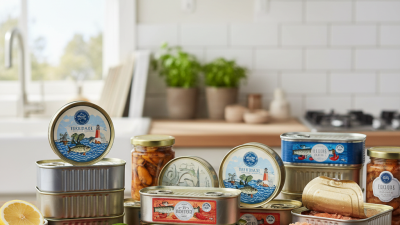
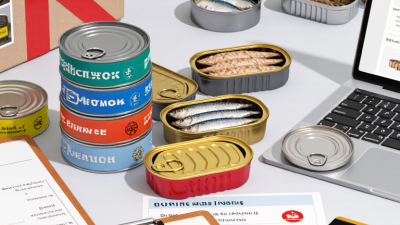
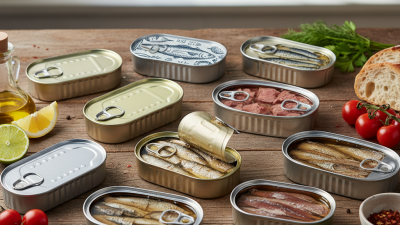
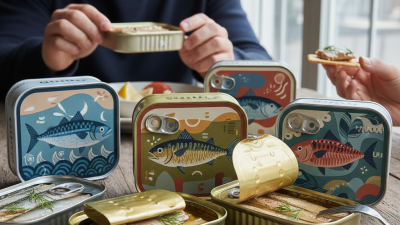
Buying tinned fish online in 2026 starts with reading the label, not the product photograph. “Natural” can describe flavor, but it does not automatically prove superior quality. Check species, fishing area, pack date, net weight, and the liquid used for preservation. Common types include sardines, tuna, mackerel, anchovies, mussels, and smoked shellfish. Each has a different texture, fat content, and typical serving use. Read the details.

Species names matter Species names matter because similar-looking fish can have different flavors and mercury guidance. For canned products, look for intact packaging, a clear lot code, and a best-before date. Avoid swollen, leaking, deeply rusted, or sharply dented cans. Do not ignore storage instructions.

Reliable sellers should show ingredient lists, allergen information, net quantity, and country of processing. A catch-area statement can improve traceability, though it is not a complete sustainability certificate. Quality seals may indicate independent checks, but their scope differs. Look for the standard behind the seal.

At home, I compare the online description with the can received. The oil should not smell rancid, and the fish should hold its shape without appearing unusually dry. For vacuum-packed or specialty items, follow the seller’s temperature guidance carefully.

Cold-chain claims deserve evidence, not just attractive wording. I sometimes choose a cheaper tin after checking the label, then regret the softer texture. Price is useful, but it is not a quality test.

When information is missing, I contact the seller before ordering. That small pause prevents guesswork.
Choosing Reliable Online Stores and Suitable Product Options

How to Buy Tinned Fish Online in 2026?

Reliable online stores make product details easy to verify. Look for clear ingredient lists, nutritional panels, origin information, and packing dates. A trustworthy seller should also display contact details, delivery terms, and a practical return policy. Check the seal.

Read recent customer reviews carefully. Focus on comments about damaged tins, leaking parcels, slow delivery, and accurate descriptions. Photos can mislead. A polished image does not prove good storage or fresh stock. Choose stores that explain how they protect tins during shipping, especially in hot weather. Secure payment pages and visible privacy information also show responsible business practices.

Suitable options depend on your diet and planned meals. Choose smaller tins for salads, toast, or quick lunches. Larger portions may suit family cooking, but check the drained weight. Compare sodium, oil, allergens, and added ingredients before ordering. Water-packed products can fit lighter meals, while oil-packed varieties may provide a richer texture. Tins should arrive clean, dry, and free from serious dents, swelling, or rust. Minor label damage is usually cosmetic, but a damaged seal deserves caution. I still sometimes focus too much on price and overlook shipping fees. That mistake makes a cheap tin less affordable. Verify the best-before date after delivery, then store unopened tins in a cool, dry cupboard.

Comparing Prices, Shipping Costs, Shelf Life, and Packaging

How to Buy Tinned Fish Online in 2026?

When buying tinned fish online, compare the final cost, not only the can price. Online prices may look attractive, but shipping can quickly change the result. I compare the total checkout amount with the net weight and serving size. A lower sticker price may hide smaller portions. Shipping changes everything. Small orders often cost more per can. I once overlooked a handling fee and misjudged the value. That comparison was flawed.

Shelf life deserves careful checking before payment. I look for a clear best-before date and avoid listings with vague wording. Canned fish often lasts for years, but storage conditions still matter. Heat, moisture, and rough handling can reduce quality. A reliable seller should provide current stock details when asked. I prefer several years of remaining shelf life, especially when buying multipacks. Longer is not automatically better.

Packaging reveals how seriously an order is prepared. Strong cartons, tight separators, and cushioning reduce dents during delivery. Minor label scratches are usually cosmetic, but swollen, leaking, or deeply rusted cans should not be used. Do not accept damaged tins. Photos can also be misleading, so I read customer comments about actual delivery conditions. My mistake was trusting attractive product images without checking the package dimensions. They made the order appear larger than it was. Pricing tools help, but careful reading remains essential.

Placing a Secure Online Order for Tinned Fish

How to Buy Tinned Fish Online in 2026?

Placing a secure online order starts with the seller, not the product photo. Check the company’s physical address, customer service channel, and refund policy. A secure checkout should display HTTPS and offer recognized card or wallet payments. Avoid direct bank transfers to unfamiliar sellers. Baymard Institute’s 2024 checkout research reports an average cart abandonment rate of 70.19%, often linked to unexpected costs or complicated checkout steps. Clear pricing matters.

Read the product page carefully. Confirm the species, net weight, ingredients, country of origin, best-before date, and storage conditions. Look for intact cans without dents near the seams, rust, swelling, or leakage. The Food and Agriculture Organization’s The State of World Fisheries and Aquaculture 2024 highlights the continuing importance of aquatic foods in global nutrition and supply chains. That does not guarantee every listing is reliable. Verify the batch or lot information when available. Small details protect you.

Choose tracked delivery, especially during hot weather. The package should arrive dry, sealed, and without serious damage. Photograph the parcel before opening it. Keep the receipt and order confirmation. I still make one mistake: I sometimes trust polished images too quickly. A low price can hide short dates, unclear sourcing, or expensive delivery. Recheck the final total before payment. Secure ordering is slightly slower, but rushing is rarely cheaper.

Inspecting, Storing, and Managing Your Delivery Safely

How to Buy Tinned Fish Online in 2026?

When a parcel arrives, inspect it before opening. The outer carton should be dry, sealed, and free from strong odours. Check each tin for bulging, leaking, deep dents, or heavy rust. The U.S. Food and Drug Administration warns against using cans with these defects because contamination may be possible. Do not taste suspicious fish, even if it smells normal. That shortcut is unsafe.

The World Health Organization estimates that foodborne illnesses affect about 600 million people worldwide each year. Tinned fish is usually shelf-stable, but shipping damage can weaken its protection. Photograph damaged packaging before contacting the seller or delivery service. I also check the use-by date and lot code immediately. My mistake was storing one parcel beside a warm oven; the tins felt hotter than expected.

Move acceptable tins into a cool, dry, dark cupboard. Keep them away from sinks, cleaning chemicals, and direct sunlight. Follow the storage instructions printed on the label. USDA guidance recommends rotating older cans forward and using them first. Never place unopened tins in a damp garage without checking temperature changes. After opening, transfer leftovers to a covered glass or food-safe container. Refrigerate them promptly and follow the label’s timing. FDA Food Code guidance supports temperature control for perishable foods after opening. I still use a clean spoon every time. Small habits are easy to ignore.