
Why Is Canned Mackerel a Healthy Choice for Your Diet?
Canned mackerel is an often overlooked gem in the world of healthy eating. Packed with nutrients, it offers a convenient option for those seeking a balanced diet. This fish is rich in omega-3 fatty acids, which are essential for heart health. A single serving can provide a significant boost to your intake of these beneficial fats.
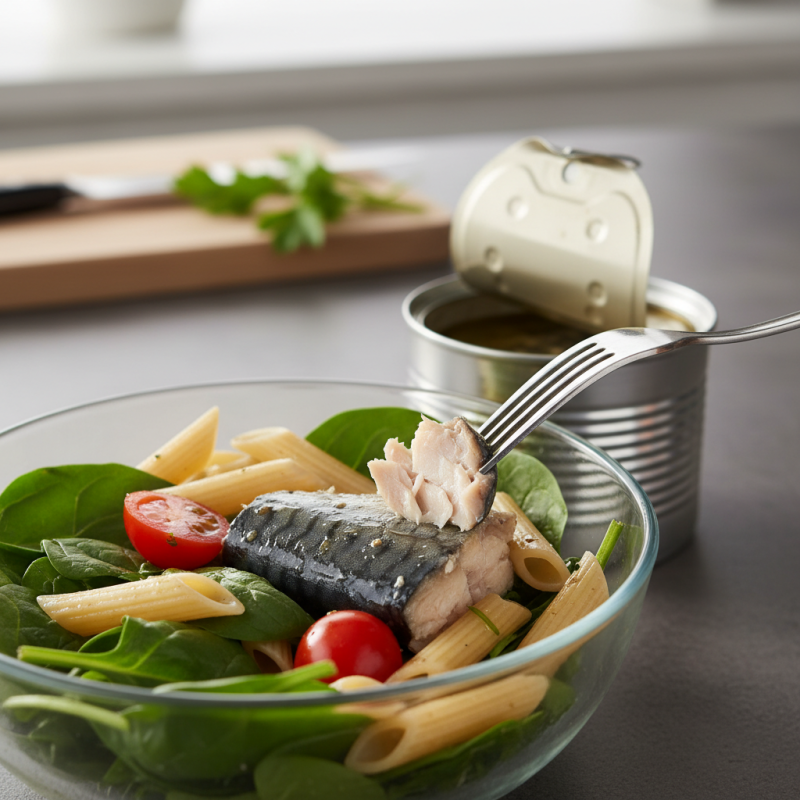
In addition to omega-3s, canned mackerel is a great source of protein. Just a small can delivers almost half of your daily needs. This makes it an excellent choice for quick meals and snacks. You can toss it in salads or pasta for added flavor and nutrition. The convenience of canned mackerel encourages us to include more seafood in our diet, yet many still ignore it.
Choosing canned mackerel can also be an eco-friendly decision. It typically has a lower carbon footprint compared to other protein sources. While it may not be everyone's first choice, its health benefits are undeniable. It’s time to reflect on our choices and consider making canned mackerel a staple in our kitchens.
Nutritional Profile of Canned Mackerel: Key Vitamins and Minerals
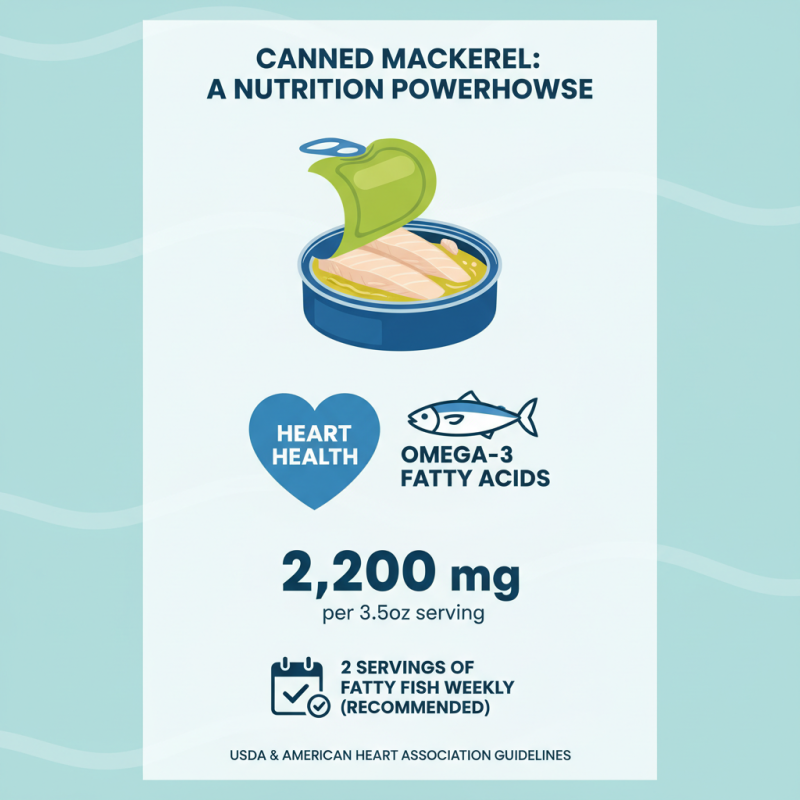
Canned mackerel is often overlooked, yet it’s a nutrient powerhouse. One serving offers high levels of omega-3 fatty acids, essential for heart health. According to the USDA, a typical 3.5-ounce can contains about 2,200 milligrams of omega-3s. This is significant since the American Heart Association recommends at least two servings of fatty fish weekly.
Canned mackerel also boasts an impressive vitamin D content. This vitamin helps with calcium absorption, essential for maintaining strong bones. One can provides around 360 IU, which is about 90% of the daily recommended intake. Additionally, it’s rich in vitamin B12, crucial for nerve function and energy production. Studies show that many adults are deficient in these vital nutrients.
Tip: Pair canned mackerel with leafy greens for a well-rounded meal. The greens add fiber and antioxidants. Consider using mackerel in salads or on whole-grain toast. It’s a quick, healthy choice.
Remember, not all canned fish options are equal. Look for low-sodium varieties to keep your salt intake in check. And while canned mackerel is nutritious, balance your diet with other protein sources. Exploring different foods will help you meet your nutritional needs effectively.
Health Benefits of Omega-3 Fatty Acids in Canned Mackerel
Canned mackerel is a popular choice due to its health benefits. One key advantage is its high omega-3 fatty acid content. These fats are essential for heart health. Research indicates that omega-3s can reduce the risk of heart disease by up to 30%. They lower triglycerides and improve overall cholesterol levels.
Moreover, omega-3 fatty acids support brain function. Studies show that diets rich in these fats are linked to improved cognitive performance. A report by the American Heart Association suggests that regular consumption of omega-3s may reduce the risk of dementia and depression. Canned mackerel is convenient and cost-effective. It's a simple way to boost your omega-3 intake.
Despite its benefits, some people overlook canned fish. Concerns about mercury levels in fish can be a deterrent. However, mackerel has lower mercury levels compared to larger fish like tuna. Balance is essential. Regularly incorporating mackerel into your diet may lead to better health outcomes. Yet, moderation is key.
Health Benefits of Omega-3 Fatty Acids in Canned Mackerel
Low-Calorie Protein Source: How Canned Mackerel Fits into Weight Loss Plans
Canned mackerel stands out as a low-calorie protein source. A 3.5-ounce serving contains approximately 200 calories and about 25 grams of protein. This makes it an excellent choice for those aiming to lose weight while feeling satisfied.
High-protein diets can boost metabolism and reduce appetite, according to research published in the American Journal of Clinical Nutrition. Incorporating canned mackerel into your meals can streamline your weight loss plan.
It's convenient and versatile. You can add it to salads, pasta, or even eat it straight from the can. Yet, it’s worth noting that some canned mackerel products can contain high sodium levels.
Checking nutritional labels is essential. Sodium can contribute to water retention, which might undermine your weight loss efforts.
Canned mackerel is rich in omega-3 fatty acids. These healthy fats support heart health and can enhance feelings of fullness. However, relying solely on canned options can lead to dietary monotony. Experimenting with fresh fish occasionally might be beneficial.
Balancing variety with convenience is key in any successful weight loss journey.
Sustainability and Environmental Impact of Canned Mackerel Options
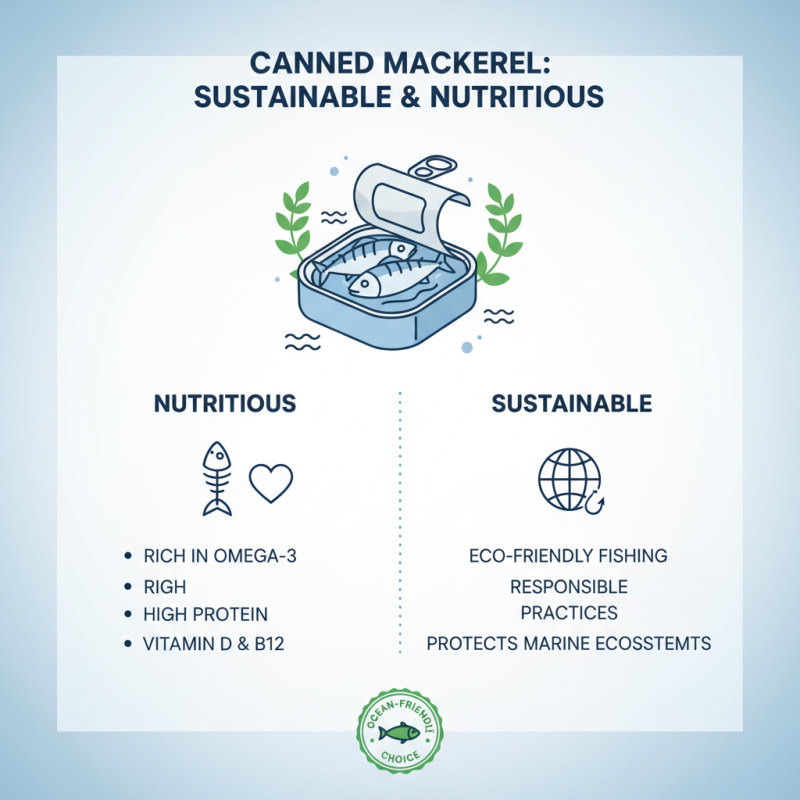
Canned mackerel is not just nutritious; it also has a significant role in sustainability. The fishing methods used for mackerel are often more environmentally friendly. Many fisheries practice responsible fishing techniques. This helps maintain fish populations and protects marine ecosystems.
However, not all canned mackerel options are equal. Some brands may not follow best practices. It's crucial to check the sourcing and certifications. Look for information on sustainable fisheries. Choosing certified products can make a big difference.
Even with sustainability, we still need to be aware. Overfishing remains a challenge in some regions. Consumers can feel overwhelmed by choices. It’s important to educate ourselves continuously. Simple decisions, like picking responsibly sourced canned mackerel, can influence a healthier ocean and diet.
Versatile Culinary Uses: Incorporating Canned Mackerel into Everyday Meals
Canned mackerel is a fantastic ingredient in the kitchen. It adds flavor and nutrition to meals. You can use it in salads, pasta, or sandwiches. This versatile fish is packed with omega-3 fatty acids. It offers a boost to heart health, which is essential for everyone.
When you want to use canned mackerel, think about quick recipes. For a salad, combine mackerel with greens and tomatoes. A drizzle of lemon juice can elevate the flavors. You can also mix it into a pasta dish. Toss it with olive oil and garlic for an easy meal.
**Tips:** Always check the label for sodium content. Canned mackerel can be salty. Rinsing it under cold water before use can help. Experiment! Try adding mackerel to your favorite recipes. It might surprise you how well it works in unexpected dishes. Don't be afraid to make mistakes in the kitchen. Each attempt can lead to delicious discoveries.
Why Is Canned Mackerel a Healthy Choice for Your Diet? - Versatile Culinary Uses: Incorporating Canned Mackerel into Everyday Meals
| Nutritional Component | Amount per 100g | Health Benefits | Culinary Uses |
|---|---|---|---|
| Calories | 205 kcal | Energy source; helps maintain weight | Salads, Sandwiches |
| Protein | 25 g | Supports muscle growth and repair | Pasta dishes, Casseroles |
| Omega-3 Fatty Acids | 2.5 g | Promotes heart health | Spreads, Dips |
| Vitamin D | 570 IU | Supports bone health | Tacos, Rice dishes |
| Selenium | 40 mcg | Antioxidant properties | Stir-fries, Soups |
Related Posts
-
10 Best Canned Seafood Brands With Highest Nutritional Value In 2023
-
Discover the Best Canned Seafood Online for 2025 Top Quality Choices
-
Top 10 Health Benefits of Canned Mackerel You Need to Know
-

10 Essential Tips for Choosing the Best Canned Seafood for Your Meals
-
Top 10 Tips for Cooking with Canned Salmon in 2026
-
10 Essential Tips for Cooking with Sardine Fish: Boost Your Culinary Skills