How to Choose the Best Tinned Seafood for Global Buyers?
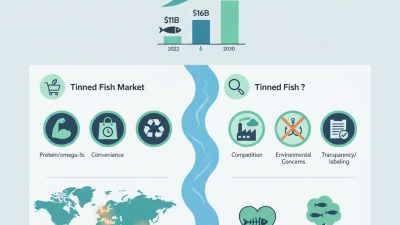
The global market for tinned seafood is expanding rapidly. In 2021, the market size was valued at $16.3 billion and is expected to grow at a CAGR of 4.8% through 2028, according to industry reports. This growth reflects a rising consumer interest in convenience and sustainability. As a result, choosing the best tinned seafood has become crucial for buyers worldwide.
Understanding quality markers is essential when selecting tinned seafood. Look for brands that adhere to sustainability practices, such as those certified by the Marine Stewardship Council (MSC). High-quality tinned seafood often features visible ingredients and a clear origin. Transparency fosters trust among consumers, allowing them to make informed choices that align with their values.
However, not all products labeled as "best tinned seafood" meet these standards. Some brands prioritize shelf life over quality, leading to inferior taste and nutritional value. It's imperative for buyers to research products thoroughly, reviewing nutrition labels and sourcing information. Investing time in making informed selections will not only enhance the culinary experience but support responsible fishing practices globally.

Understanding Different Types of Tinned Seafood Available Worldwide
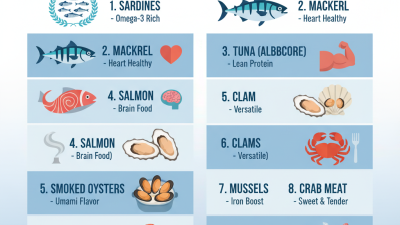
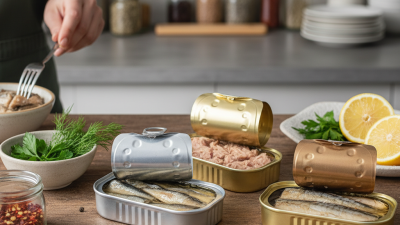
When exploring tinned seafood, recognizing the variety is essential. Different types offer unique flavors, textures, and nutritional benefits. Common seafood includes tuna, sardines, anchovies, and mackerel. Each type varies in sustainability and sourcing practices. Tuna may be easy to find, but sourcing concerns often arise. Sardines are rich in omega-3s and often caught sustainably. Anchovies pack a savory punch but may not suit every palate.
Consider the region where the seafood originates. Tinned seafood from specific locations has distinctive flavors due to local fishing methods. The Mediterranean region is known for high-quality sardines and anchovies. In contrast, Pacific tinned seafood often showcases unique species like albacore or skipjack. Be sure to check the label for sourcing details and sustainability certifications.
When choosing tinned seafood, transparency is key. Look for products with clear labeling about fishing practices. Freshness matters, too, so check the expiration date. Sometimes, the packaging might appear perfect, but hidden issues may exist. An occasional aesthetic imperfection doesn’t always indicate poor quality. Engage with local suppliers and expert recommendations to ensure a great choice. Each of these considerations contributes to a better tinned seafood experience.
Comparison of Different Types of Tinned Seafood Sold Worldwide
Evaluating Quality: Key Factors to Consider in Tinned Seafood
When selecting tinned seafood, quality is paramount. Start by checking the ingredient list. High-quality seafood should have a simple, transparent list. A tin with added preservatives or artificial flavors may signal inferior products. Look for options with minimal processing; fresh seafood is generally better.
The packaging can reveal much about the seafood inside. Quality tins are usually sealed tightly to avoid contaminations. A dented or rusty can may affect the contents. Pay attention to the expiration date as well. Freshness is key, even in preserved foods.
Consider the sourcing of the seafood. Sustainable practices often indicate higher quality. Familiarize yourself with the fishing methods. For example, wild-caught fish often have superior taste and nutrition compared to farmed varieties. Being informed helps in recognizing what truly constitutes quality in tinned seafood. Balancing personal preferences with these factors can lead to better choices.
Reading Labels: Nutritional Information and Ingredient Transparency
When selecting tinned seafood, reading labels is crucial. Nutritional information reveals essential details about calories, sodium, and protein levels. Understanding these metrics helps you make informed decisions. For instance, high sodium content can be a concern for those with dietary restrictions. Checking for sustainable sourcing also adds an ethical dimension to your choice.
Ingredient transparency plays a vital role in determining quality. Look for products with a short ingredient list, indicating minimal processing. This usually means fewer additives and preservatives. Ensure there are no artificial flavors or colors, as these can compromise the seafood's natural taste. It’s important to note that labeling practices can vary by region. Therefore, what is considered acceptable in one country may not be the same elsewhere.
Reflecting on this process, it's clear that many consumers may overlook label details. This neglect can lead to poor choices. It's essential to develop a habit of reading labels carefully. With the right knowledge, you can enjoy not only the flavors of the sea but also the peace of mind that comes from making educated purchases.
Identifying Sustainable and Ethical Sourcing Practices
When choosing tinned seafood, sustainability is crucial. Look for products that come from well-managed fisheries. Certifications can help here. However, be cautious; not all labels guarantee ethical practices. Research is necessary. Some fisheries may claim sustainability but lack transparency.
Understanding the source of the seafood is important. Many global buyers overlook this aspect. It's worth checking if the seafood is from overfished waters. You can ask suppliers for their sourcing practices. Engaging with brands that provide detailed information can lead you to better choices. Seek out those who emphasize ocean conservation.
Remember, not every tinned product is equal. Investigate how the seafood is caught. Longline and trap methods are generally less harmful. Compare these to dredging or purse seining, which can damage ecosystems. Reflect on the environmental impact of your choices. Your decisions can influence global fishing practices. Careful consideration can promote a healthier ocean.
Popular Brands and Their Unique Offerings in Tinned Seafood
When selecting tinned seafood, global buyers often consider renowned brands and their distinct offerings. Each brand may present a range of flavors, from mild to robust, catering to diverse palettes. An industry report noted that the global canned seafood market was valued at approximately $19 billion in 2022, with projected growth that reflects increasing consumer demand for convenience and quality.
Some brands offer gourmet options, emphasizing sustainable sourcing methods. This approach aligns with a growing consumer trend toward environmental awareness. For instance, a notable percentage of consumers now prefer products with eco-labels, highlighting sustainability. However, not all brands guarantee these values, leading to possible confusion for buyers seeking ethically sourced seafood.
Flavor profiles can vary significantly between brands. Some focus on seasoned variants, while others prioritize natural flavor. In blind taste tests, differences can be subtle, making it crucial for consumers to experiment. Buyers may find that their preferences evolve as they discover new brands and styles. The journey to finding the perfect tinned seafood can be as complex as it is rewarding.