How to Choose the Best Canned Tuna for Your Healthy Meals and Recipes
When it comes to incorporating healthy options into our meals, canned tuna stands out as a nutritious and versatile choice. According to Dr. Emily Johnson, a renowned nutritionist and expert in seafood sustainability, "Canned tuna not only provides a convenient source of protein but also packs essential omega-3 fatty acids that are vital for heart health." With its long shelf life and ease of preparation, canned tuna can be a great addition to salads, sandwiches, and pasta dishes, making it a staple in many kitchens.
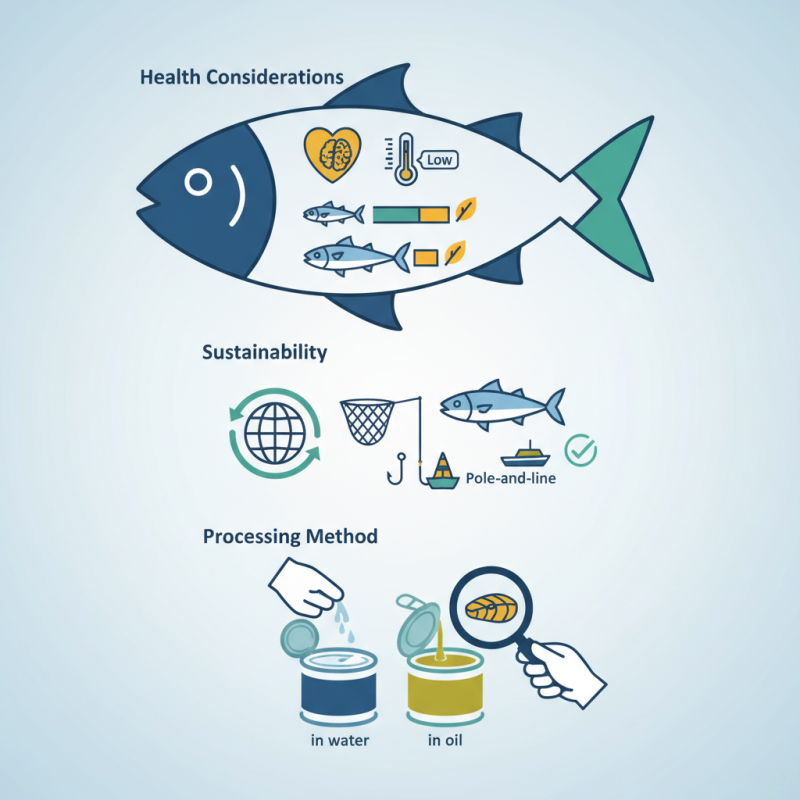
However, not all canned tuna is created equal. With varying options available, from skipjack to albacore and varying levels of sustainability, it is crucial to understand how to select the best canned tuna for both health and environmentally conscious eating. Factors such as mercury levels, the source of the fish, and the method of processing play significant roles in determining the quality of the product. As we delve deeper into the world of canned tuna, we will explore essential tips to help you make informed choices that align with your dietary needs and ethical considerations.
Understanding the Nutritional Benefits of Canned Tuna for Healthy Meals
Canned tuna is a convenient source of high-quality protein that fits seamlessly into various healthy meal plans. According to the Food and Agriculture Organization, tuna is one of the most consumed fish globally, revered not only for its culinary versatility but also for its impressive nutritional profile. A typical serving of canned tuna provides around 22 grams of protein, which is essential for muscle maintenance and repair. Additionally, it is low in fat and calories, making it an ideal choice for those looking to maintain a healthy weight.
One of the standout features of canned tuna is its rich content of omega-3 fatty acids, which have been linked to numerous health benefits. Research published in the Journal of Nutrition indicates that these essential fatty acids play a critical role in reducing the risk of heart disease, promoting brain health, and improving overall cardiovascular function. Moreover, canned tuna is a significant source of critical vitamins and minerals, including vitamin D, selenium, and B vitamins, which collectively support immune function, energy production, and bone health. By incorporating canned tuna into your diet, you can enjoy a delicious and nutrient-dense option that supports your health and wellness goals.
How to Choose the Best Canned Tuna for Your Healthy Meals and Recipes
| Tuna Type |
Calories (per 100g) |
Protein (g) |
Omega-3 Fatty Acids (g) |
Sodium (mg) |
Fat (g) |
| Chunk Light Tuna |
120 |
24 |
0.3 |
400 |
1.0 |
| Solid White Tuna |
140 |
30 |
0.5 |
300 |
1.5 |
| Albacore Tuna |
160 |
24 |
1.0 |
360 |
5.0 |
| Yellowfin Tuna |
140 |
30 |
0.6 |
350 |
1.0 |
Identifying Sustainable Tuna Sources: Eco-Friendly Options for Consumers
When choosing canned tuna, one of the critical factors to consider is sustainability. Overfishing and harmful fishing practices have put immense pressure on tuna populations and marine ecosystems. Therefore, selecting canned tuna sourced from responsible fisheries is essential for environmentally conscious consumers. Look for products that are certified by reputable organizations that promote sustainable fishing practices, such as those that use methods like pole-and-line fishing or purse seining with fish aggregating devices (FADs) that minimize bycatch.
In addition to certifications, it's also important to research the source of the tuna. Some fisheries practice responsible management strategies that ensure tuna populations remain healthy and ecosystems intact. By supporting brands that prioritize ecological balance, consumers can contribute to the preservation of marine life. Reading labels carefully and opting for options labeled as "wild-caught" or those that mention specific regions known for sustainable practices can also help in making an informed choice. By consciously selecting eco-friendly canned tuna, individuals can enjoy their meals while supporting sustainability for future generations.
Comparing Different Types of Canned Tuna: Chunk Light vs. Albacore
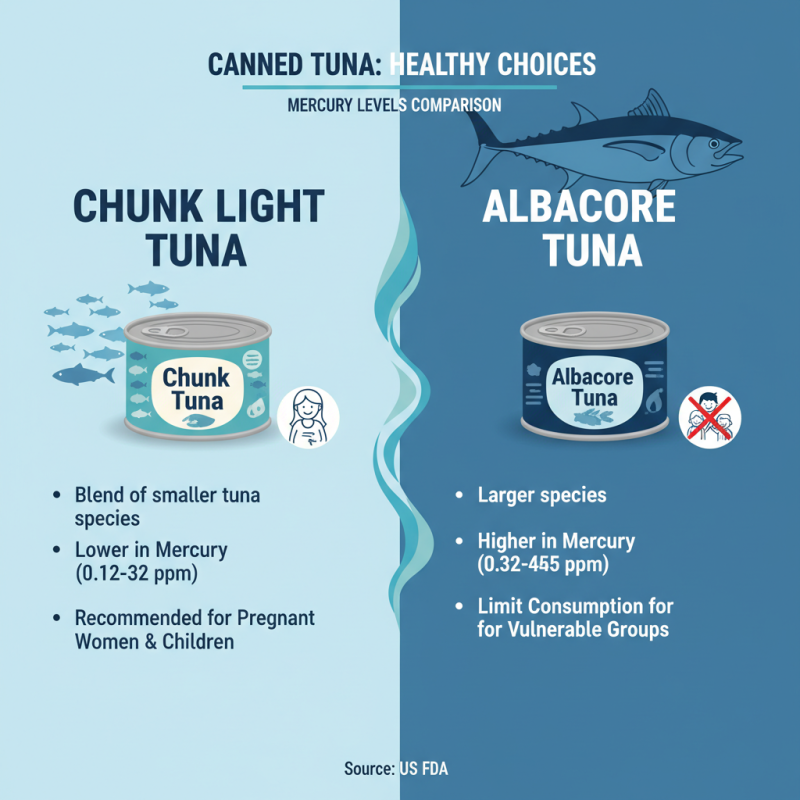
When it comes to choosing the best canned tuna for healthy meals, understanding the differences between Chunk Light and Albacore tuna is crucial. Chunk Light tuna, often a blend of smaller tuna species, is generally lower in mercury compared to its Albacore counterpart. According to the U.S. Food and Drug Administration (FDA), Chunk Light tuna typically contains between 0.12 to 0.32 parts per million (ppm) of mercury, while Albacore tuna can have mercury levels ranging from 0.32 to 0.45 ppm. This means that for individuals seeking to limit mercury intake, especially pregnant women and young children, Chunk Light tuna is often the recommended choice.
In addition to mercury content, the distinction in taste and texture is notable. Chunk Light tuna has a milder flavor and flakier texture, making it versatile for a variety of recipes from salads to casseroles. Conversely, Albacore tuna is known for its firmer flesh and richer taste, which can elevate dishes like gourmet sandwiches or pasta salads. The National Fisheries Institute reports that with the growing emphasis on sustainable fishing practices, consumers can feel confident in selecting tuna varieties that support ecological health while still enjoying the numerous health benefits of this protein-rich food, which is high in omega-3 fatty acids and low in saturated fats.
Evaluating Sodium Levels in Canned Tuna: Choosing the Healthiest Option
When choosing canned tuna for your healthy meals, one of the crucial factors to consider is the sodium content. Numerous health organizations, including the American Heart Association, recommend keeping daily sodium intake below 2,300 milligrams to reduce the risk of hypertension and other cardiovascular diseases. Unfortunately, many brands of canned tuna can exceed this recommendation. A systematic examination of various canned tuna products reveals that sodium levels can range from as low as 160 mg to as high as 800 mg per serving, depending more on processing methods than the type of tuna used.
To ensure you're selecting the healthiest option, look for tuna labeled as "low sodium" or "no added salt." These varieties typically contain significantly less sodium, allowing you to enjoy the benefits of fish without compromising your dietary goals. Additionally, reviewing the nutritional information on the label can help you compare different brands easily. For example, those containing fewer than 300 mg of sodium per serving are generally better choices in a health-conscious diet.
**Tips:** Always rinse canned tuna under cold water to further reduce sodium levels, as this can help wash away some of the salt added during processing. It’s also beneficial to incorporate canned tuna into salads or grain bowls with fresh vegetables, which can help balance the overall sodium content of your meal while providing an array of nutrients.
Evaluating Sodium Levels in Canned Tuna: Choosing the Healthiest Option
Reading Labels: How to Spot Quality Ingredients in Canned Tuna Products
When selecting the best canned tuna for your healthy meals, understanding how to read labels is crucial. Canned tuna can be a fantastic source of protein, Omega-3 fatty acids, and essential nutrients. However, the quality of these products can vary significantly. According to a 2021 study by the seafood industry, approximately 70% of consumers are unaware of the differences in nutritional content and sourcing practices among various canned tuna products. This underscores the importance of scrutinizing labels to make informed choices.
When inspecting a can of tuna, look for keywords such as "wild-caught" or "pole-and-line caught," which often indicate higher quality and more sustainable practices. It's also essential to check for additives; some brands may include preservatives or flavor enhancers that detract from the health benefits of the tuna itself. Additionally, reviewing the sodium content is vital—some canned options can contain upwards of 400 mg of sodium per serving, while lower-sodium alternatives may offer the same amount of tuna with significantly less salt. Furthermore, a 2022 report highlighted that the mercury levels in canned tuna can vary, so choosing brands that test for lower mercury levels is prudent for health-conscious consumers, especially pregnant women and young children.