How to Cook Canned Salmon for Quick and Delicious Meals?
Canned salmon is a versatile ingredient widely used in many kitchens. Its popularity has surged recently, partly due to its convenience and nutritional profile. According to the National Fisheries Institute, around 70% of American households keep canned fish in their pantry. This statistic highlights the growing importance of canned salmon in daily meal prep.
Experts like Dr. Sarah Morgan, a marine nutrition specialist, suggest that "canned salmon is not only quick to prepare but also packed with essential nutrients." This makes it ideal for busy families seeking healthy meal options. The protein-rich nature of canned salmon can easily fit into various dishes, offering both flavor and health benefits.
However, it's important to acknowledge some challenges. Not all canned salmon is created equal. Some brands may contain higher sodium levels or questionable sourcing practices. Consumers should always read labels carefully and choose the best quality. Selecting top-notch canned salmon will elevate your cooking experience while ensuring sustainability.

Choosing the Right Canned Salmon for Your Dish
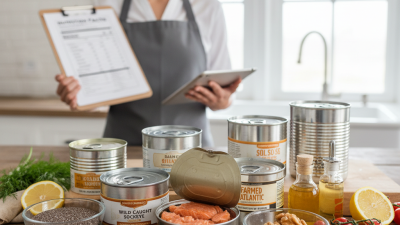
When choosing canned salmon for your meal, look for quality first. Wild-caught salmon often has better flavor and texture. Check the label for details. Look out for ingredients with low sodium or added preservatives. The fewer the ingredients, the better the quality. The overall taste of your dish can greatly depend on this choice.
Next, consider the type of canned salmon. Pink salmon is milder and flakier, perfect for salads and sandwiches. Red salmon has a richer flavor and firmer texture, better suited for grilling or pastas. Each type of salmon offers unique benefits. Taste-testing different types can lead to surprising favorites. You may find some textures less appealing than others, and that’s okay. It’s all part of refining your palate.
How to Cook Canned Salmon for Quick and Delicious Meals
| Type of Canned Salmon |
Ideal Cooking Method |
Recipe Suggestions |
Nutritional Information (per 100g) |
| Pink Salmon |
Salad, Pasta |
Pink Salmon Salad, Salmon Pasta |
Calories: 130, Protein: 25g, Fat: 4g |
| Sockeye Salmon |
Grilled, Sandwich |
Sockeye Salmon Sandwich, Grilled Salmon Tacos |
Calories: 145, Protein: 26g, Fat: 5g |
| Coho Salmon |
Stir-fry, Casserole |
Coho Salmon Stir-fry, Salmon Casserole |
Calories: 130, Protein: 24g, Fat: 6g |
| Atlantic Salmon |
Baked, Salad |
Baked Salmon Fillets, Salmon Salad |
Calories: 206, Protein: 22g, Fat: 13g |
Basic Preparation Steps for Canned Salmon
Canned salmon is a versatile ingredient, perfect for quick meals. It’s easy to prepare, but simple mistakes can happen. Start by choosing a can from your pantry. Open it carefully and drain the liquid. This step is crucial; excess liquid can make your dish watery.
Next, examine the salmon. Look for any skin or bones. While some people don't mind them, others prefer to remove them for a smoother texture. Flake the salmon gently with a fork. This process should take only a minute or two. Be patient and don’t rush; it will make a difference in your dish’s quality.
Consider adding simple seasonings. A pinch of salt, some pepper, or a squeeze of lemon can elevate the flavor. You might want to mix in chopped onions or bell peppers for added crunch. Experiment with your own combinations, but remember, not all pairings work. Sometimes, it’s a learning curve. Cooked promptly, canned salmon can turn into a beautiful salad, sandwich filler, or pasta mix. Enjoy the journey of discovering what you love.
Quick and Easy Recipes Featuring Canned Salmon
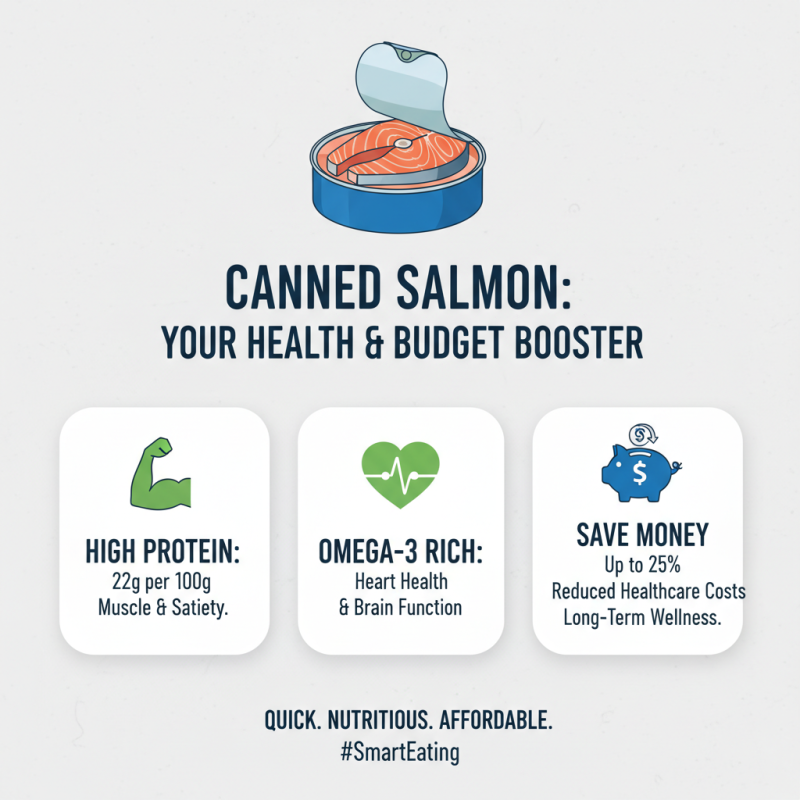
Canned salmon is a nutritious option for quick meals. This versatile ingredient is high in protein, with around 22 grams per 100 grams. It’s often packed with omega-3 fatty acids, which are essential for heart health. Recent studies indicate that including seafood in your diet may reduce healthcare costs by almost 25% over time due to better overall health.
One simple recipe is salmon salad. Mix canned salmon with Greek yogurt, diced celery, and a squeeze of lemon. Serve it on whole-grain bread or over mixed greens. This combination creates a light meal in minutes. Another option is salmon pasta. Toss cooked pasta with canned salmon, fresh spinach, garlic, and olive oil. It’s a satisfying dish that can be prepared in under 15 minutes.
Using canned salmon may seem easy, but it can lead to over-reliance on convenience. Fresh or frozen options could provide different textures and flavors. Experimenting with new ingredients can enhance your cooking experience. Exploring new flavors is always worthwhile, even for quick meals. Canned salmon can be your go-to, but keep assessing how it fits into your diet.
Creative Ways to Enhance Canned Salmon Dishes
Canned salmon is a versatile ingredient, offering quick meal solutions. Many people overlook its potential. Exploring creative enhancements can elevate your dishes significantly. Pairing salmon with fresh herbs, citrus, and spices can make a substantial difference. A study by the Seafood Nutrition Partnership indicates that incorporating seafood into meals increases the likelihood of consuming Omega-3 fatty acids, which support heart health.
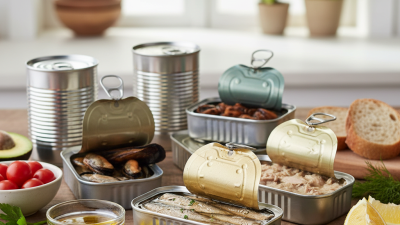
Consider a simple meal with canned salmon and avocado. The creaminess of avocado complements the fish beautifully. Add some lime juice and chopped cilantro for a burst of flavor. Another idea is to create a salmon salad. Mix canned salmon with Greek yogurt, diced pickles, and red onion. This combination packs protein and flavor, making it a filling option.
Think about presentation as well. Use colorful vegetables such as bell peppers or cherry tomatoes. They not only add visual appeal but also contribute vitamins. Research from the National Oceanic and Atmospheric Administration shows seafood can enhance diets, yet many avoid it. Canned salmon is accessible and easy to prepare, opening the door for nutritious meals. Experimentation is key; you might find your new favorite dish in an unconventional combination.
Tips for Storing Leftover Canned Salmon Meals
Storing leftover canned salmon meals can be tricky. After enjoying a delicious dish, make sure to let it cool completely. This helps preserve flavor and texture. Use airtight containers to keep the leftovers fresh. Label them with the date. Trust me, it makes life easier.
Refrigerate the containers where they won’t be lost or forgotten. Aim to eat them within three days. You can also freeze remaining portions for up to a month. However, note that freezing might alter the texture. It can be a gamble. When thawing, place it in the fridge overnight. Try to avoid the microwave. Microwaving can lead to dry salmon.
Consider repurposing leftovers creatively. Turn cooked salmon into salads, sandwiches, or pasta. Each option brings a different taste. If you accidentally make too much, don't worry. There’s always room for improvement. Evaluate what worked and what didn’t next time. You might discover a new favorite.
Meal Preparation Times for Canned Salmon
This chart illustrates the preparation times for various quick canned salmon meals, allowing for efficient planning and meal prepping.