10 Essential Tips for Navigating the Tinned Fish Market Today?
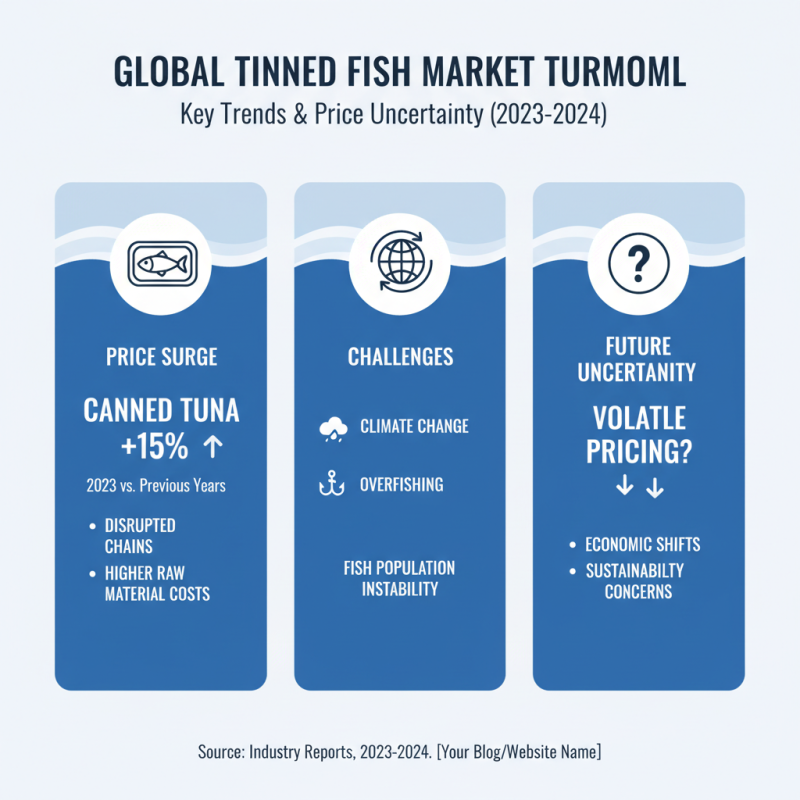
The tinned fish market is experiencing remarkable growth. In 2022, it was valued at approximately $11 billion. Predictions show it may reach $16 billion by 2030. This booming sector indicates a shift in consumer preferences toward convenience and sustainability.
As awareness grows about the health benefits of seafood, tinned options are gaining popularity. They are packed with protein and omega-3 fatty acids. Industry reports reveal that sales of tinned fish are rising, especially in Europe and North America. However, navigating this market isn't without its challenges. Brands face competition from fresh alternatives and environmental concerns.
Buyers must stay informed about sourcing practices and nutritional content. Transparency in labeling is increasingly essential. While the allure of convenience is strong, consumers should reflect on sustainability and quality. Making informed choices in the tinned fish market can lead to healthier diets and a more sustainable future.

Choosing the Right Type of Tinned Fish: A Nutritional Overview
When choosing tinned fish, consider nutritional value. Different types of fish offer unique benefits. For example, sardines are rich in omega-3 fatty acids. They also contain calcium, great for bone health. Mackerel, on the other hand, provides higher vitamin D levels. This vitamin supports immunity and mood.
One common mistake is ignoring the label. Not all tinned fish are created equal. Some products are packed in oil, while others use water or brine. Oil can add extra calories. Water-packed options may be lower in fat but sometimes lack flavor. Always check the ingredient list for added preservatives.
When selecting fish, think about your meals. Canned fish can enhance salads, pasta, or sandwiches. It's also quick and convenient for busy lifestyles. However, don't forget to consider sustainability. Overfishing can lead to dire consequences for marine ecosystems. Seek out fish from responsible sources. This not only benefits you but also the planet.
10 Essential Tips for Navigating the Tinned Fish Market Today
| Type of Tinned Fish |
Protein (per 100g) |
Omega-3 Fatty Acids (g) |
Calories |
Sodium (mg) |
Best Use |
| Sardines |
25g |
2.2g |
208 |
361mg |
Salads, Sandwiches |
| Tuna |
30g |
0.7g |
132 |
348mg |
Casseroles, Pasta |
| Mackerel |
23g |
2.5g |
305 |
100mg |
Grilled, Tacos |
| Anchovies |
29g |
1.5g |
210 |
2150mg |
Pizza, Tapas |
| Salmon |
25g |
2.5g |
206 |
360mg |
Salads, Spreads |
Understanding Sustainability in the Tinned Fish Industry: Key Certifications
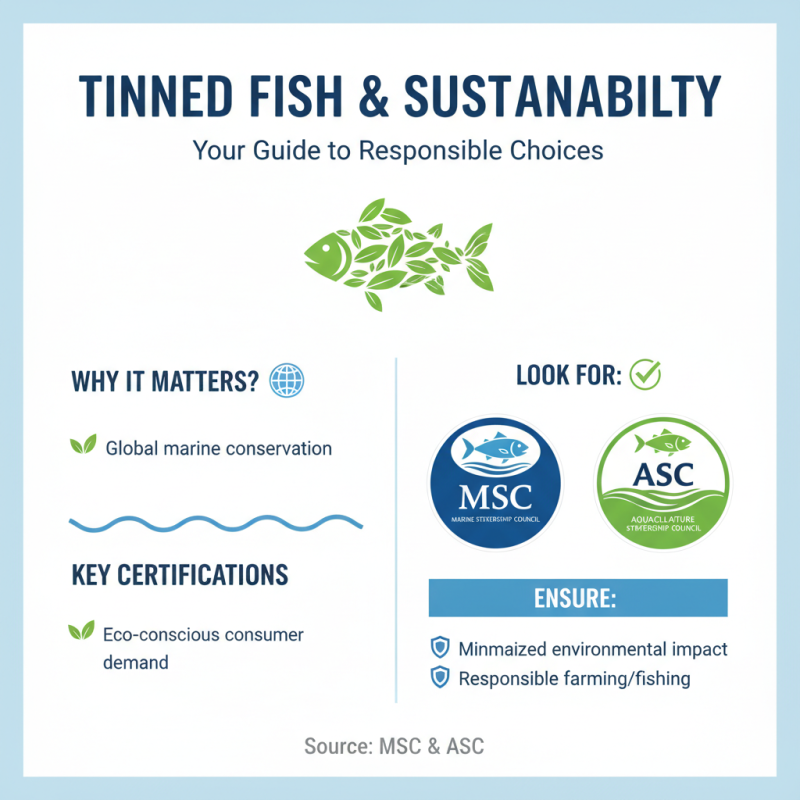
Navigating the tinned fish market today requires a keen understanding of sustainability. The rise in global awareness of marine conservation has led consumers to prefer products with recognized sustainability certifications. Notably, the Marine Stewardship Council (MSC) and the Aquaculture Stewardship Council (ASC) are among the most respected certifications in this industry. These organizations ensure that fishing methods minimize environmental impact and promote responsible aquaculture practices.
However, not all tinned fish bearing these labels is created equal. A report by the World Wildlife Fund (WWF) highlighted that 30% of global fish stocks are overfished or depleted. This raises questions about the effectiveness of certification systems. Some products may claim sustainability without meeting stringent criteria. It’s crucial for consumers to research brands and their sourcing practices before purchasing.
Moreover, packaging contributes to sustainability. A significant 50% of seafood packaging is non-recyclable, leading to increased waste. The pressure for brands to improve this aspect is mounting, yet change is slow. Consumers must weigh their choices and advocate for cleaner packaging solutions. In this evolving market, informed decisions are essential for both personal health and the planet’s wellness.
Identifying Quality: What to Look for on Tinned Fish Labels
When it comes to tinned fish, labels are crucial. They tell you what’s inside the can. Look for the type of fish. Common options are sardines, mackerel, or tuna. The label should specify the fish’s scientific name. This ensures you’re getting what you expect.
Check the ingredients list. Quality tinned fish will often have minimal ingredients. Ideally, it should only list fish and some oil, perhaps a pinch of salt or seasoning. If the label is cluttered with additives and preservatives, think twice. A short ingredient list often indicates better quality.
Pay attention to the sourcing information. Wild-caught fish tends to be healthier than farmed. Look for certifications that indicate sustainable practices. Even the packaging can tell a story. Opt for tins that are BPA-free, which is safer for you. Reflect on your choices—quality can greatly impact flavor and health.
Understanding Key Ingredients in Tinned Fish
This chart illustrates the percentage of key ingredients found in various types of tinned fish. Ingredients such as fish content, oil, and additives can significantly affect the quality and taste of the product.
Exploring Flavor Varieties: Popular Choices and Their Uses in Cooking
Tinned fish is gaining popularity in culinary circles. Nutritional studies show that fish is a great source of omega-3 fatty acids. Many chefs are experimenting with various tinned fish types. Anchovies, sardines, and mackerel are among the most popular choices. Each offers unique flavors and benefits.
Flavors matter greatly in cooking. Anchovies are salty and savory. They enhance sauces and dressings. Sardines provide a rich, meaty taste. They work well on toast or in salads. Mackerel has a distinct, smoky flavor that pairs nicely with grains. Data indicates that tinned fish sales increased by 25% last year, driven by these flavor explorations.
Using different tinned fish can elevate any dish. However, consumers face a myriad of choices. Not all brands source fish sustainably. A recent survey found that 45% of fish eaters are unaware of best sourcing practices. Refreshing flavors can sometimes mask quality issues. Awareness is key as we navigate this robust market.