10 Essential Tips for Perfectly Preparing Season Sardines at Home
Preparing season sardines at home can be delightful. These tiny fish are packed with flavor and nutrients. However, many struggle with the preparation process. Proper techniques can elevate your dining experience.
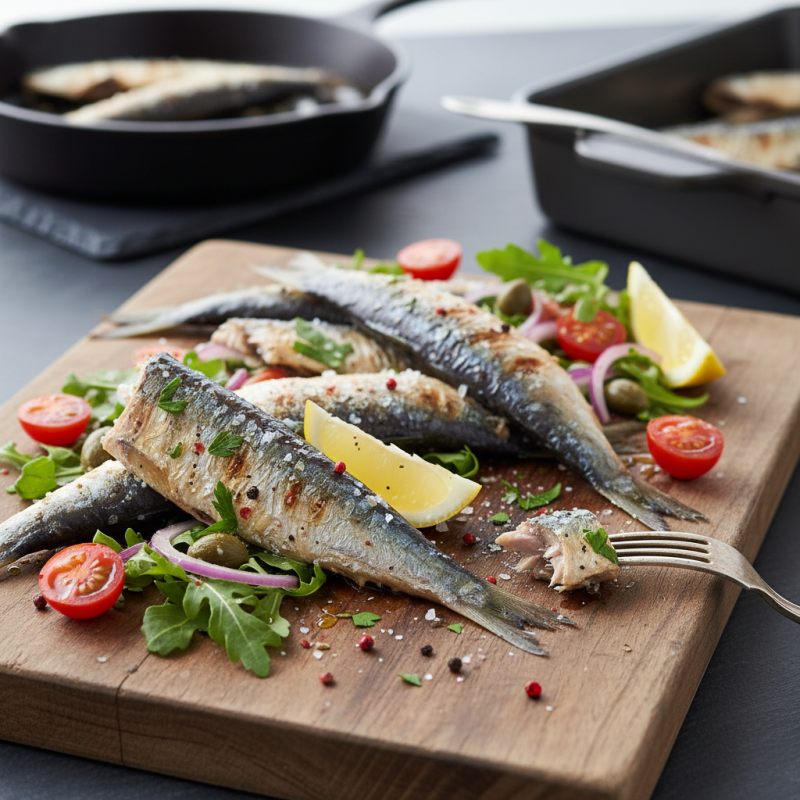
Season sardines are versatile and can enhance many meals. You might grill them, bake them, or incorporate them into a salad. Each method has unique qualities. Taking the time to master each method will make a difference.
However, mistakes can happen. Overcooking can ruin their texture. Not seasoning correctly may lead to bland results. Learning from these oversights is essential. The journey of cooking season sardines involves constant reflection and improvement. Enjoy this culinary adventure!
Choosing Fresh Sardines: Key Indicators for Quality
When you visit the fish market, the quality of sardines is paramount. Look for bright, shiny skin. The eyes should be clear and bulging, not cloudy or sunken. Fresh sardines have vibrant colors. Dull colors often indicate they are past their prime. Pay attention to the smell. A fresh sardine emits a mild, ocean-like fragrance. A strong fishy odor is a red flag.
The flesh should feel firm and resilient, not mushy. Press gently with your fingers; it should bounce back. Avoid sardines with dark spots or blemishes on their skin. This often signals poor quality or improper storage. When you hold the fish, it should feel cold to the touch. Room temperature sardines are likely not fresh.
Consider how you will use them. Will they be grilled, baked, or marinated? Think about scaling and gutting the fish before cooking. The process can be messy and requires practice. Mistakes with preparation can overwhelm the delicate flavor of fresh sardines. Understanding these indicators ensures a delightful cooking experience.
10 Essential Tips for Perfectly Preparing Season Sardines at Home
| Indicator |
Description |
Quality Assessment |
| Eyes |
Clear and bright, not cloudy or sunken |
Fresh |
| Skin |
Shiny and metallic, with a wet feel |
Fresh |
| Smell |
Light, briny scent; no strong fishy odor |
Fresh |
| Flesh Texture |
Firm and bouncy to the touch |
Fresh |
| Color |
Bright and uniform coloration |
Fresh |
| Gills |
Bright red/pink, moist and intact |
Fresh |
| Fins |
Intact and vibrant |
Fresh |
| Weight |
Should feel heavy for its size |
Fresh |
| Cleanliness |
No slime or discoloration on the surface |
Fresh |
Essential Tools and Equipment for Preparing Sardines
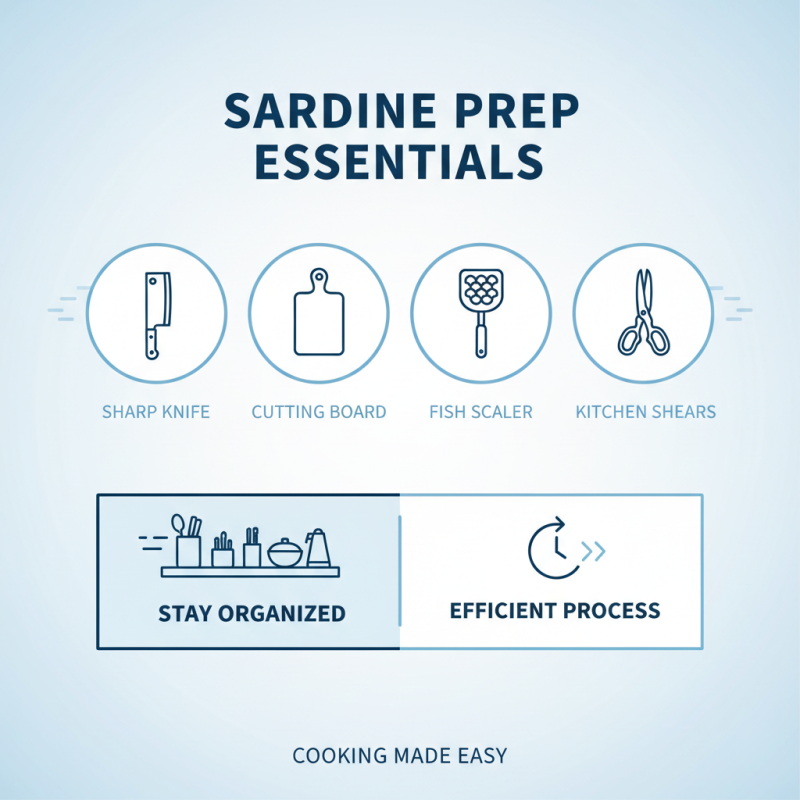
When preparing sardines at home, having the right tools can make all the difference. A sharp knife is essential for filleting. A sturdy cutting board provides stability. Consider using a fish scaler for easy skin removal. For cleaning, a good pair of kitchen shears works wonders. Keep your workspace organized for a smoother process. This makes cooking less of a chore.
Don’t forget about your cooking equipment. A grill or a broiler can create a deliciously crispy exterior. A frying pan heats evenly for sautéing. Cast iron pans retain heat well, enhancing flavors. For marinating, use a glass container. It prevents reactions that may spoil the fish. Sometimes, simple mistakes happen. Overcooking can make sardines tough. Paying attention to timing helps you master this dish. Using these tools, your sardine preparation will improve over time.
Step-by-Step Cleaning Process for Sardines
Cleaning sardines can feel daunting, but breaking it down simplifies the process. Begin by rinsing the fish under cold water. This removes some slime and impurities. Use a sharp knife to cut off the head. A swift, firm motion works best. If you make a mess, don’t worry; it’s part of learning.
Next, you need to gut the sardines. Insert the knife into the belly. Gently pull the guts out using your fingers. It can be slippery; keep a cloth handy. Rinse the gutted fish again. This ensures you've removed any residual innards. Pay attention to the tail end; sometimes, remnants linger.
Finally, remove the scales. This step is optional, but many prefer it. Use a scaler or the backside of your knife. Scrape firmly, but be careful not to pierce the flesh. Rinsing once more will help. After cleaning, you can season them as desired. Each sardine will taste better if prepped with care. Embrace the process; practice makes perfect.
Essential Tips for Preparing Season Sardines
Flavorful Marinades and Seasonings for Sardines
Marinating sardines can elevate your home cooking experience. Start with a simple blend of olive oil, garlic, and fresh herbs. Rosemary and thyme work wonders, providing a fragrant kick. Mix these ingredients in a bowl until well combined.
Coat the sardines thoroughly and let them sit for at least 30 minutes. This allows the flavors to meld, offering a deliciously aromatic bite.
For a zesty twist, try a citrus marinade. Squeeze fresh lemon or orange juice over the sardines. Add a touch of honey for sweetness and a dash of chili flakes for heat. This combination is refreshing and bright. It brings out the natural flavors of the fish. Don't be afraid to experiment. Maybe the balance of citrus and sweetness isn't perfect. Adjust as needed and make it your own. The process can be a delightful journey of discovery.
Cooking Methods: Grilling, Baking, and Pan-Seering Sardines
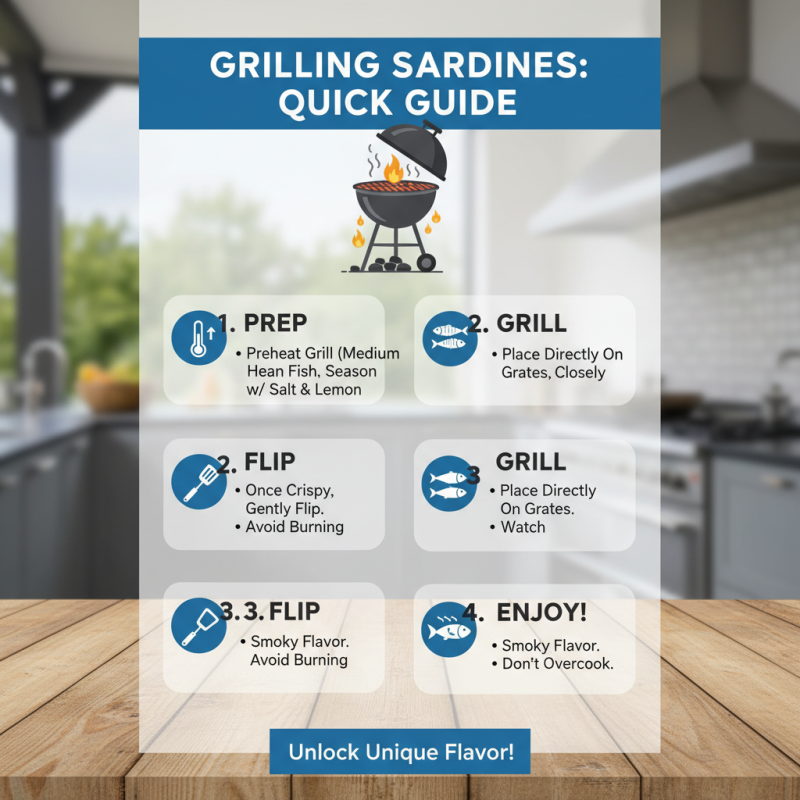
Grilling sardines offers a unique flavor. Start by preheating the grill. Clean the fish thoroughly and season with salt and lemon juice. Place them directly over medium heat. Watch them closely to avoid burning. Flip them gently once they are crispy. The smoky aroma is delightful, but don’t let them overcook.
Baking sardines is another simple method. Preheat the oven to a high temperature. Lay the sardines on a baking sheet lined with parchment paper. Drizzle with olive oil and sprinkle with herbs. Bake for about 15 minutes. The fish can dry out easily, so keep an eye on them. For added flavor, consider adding sliced vegetables or citrus slices.
Pan-searing is quick and effective. Heat a skillet with oil until it's sizzling. Carefully add the sardines, skin-side down. They may splatter, so watch out! Cook for a few minutes until golden brown. This method provides a lovely crisp texture. However, ensure the fish is fresh to avoid unpleasant tastes. Each method has its nuances, and practice is essential for mastering sardine cooking.