How to Buy Tinned Fish Online for Global Buyers?
Buying preserved seafood across borders can look simple. Add products to a cart, confirm payment, and wait for delivery. Yet global purchasing involves more than price and attractive packaging. Buyers must assess product quality, supplier reliability, shipping terms, and import requirements before placing an order.
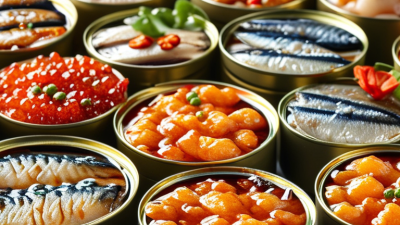
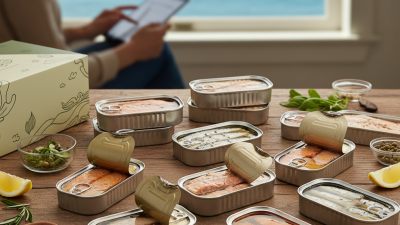
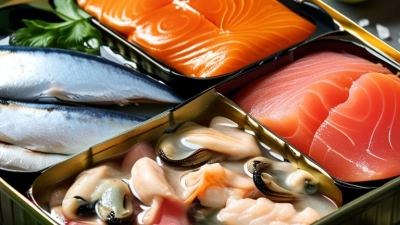
This guide explains how to buy tinned fish online with greater confidence. It covers sardines, tuna, mackerel, anchovies, and other shelf-stable products. Reliable product pages should show the species, net weight, drained weight, ingredients, allergens, country of origin, and best-before date. Clear photos also matter. Inspect the cans for dents, swelling, rust, or damaged labels. A low price may hide short shelf life, high freight costs, or a large minimum order quantity.
Look for evidence, not promises.
International buyers should request samples when possible. They can compare texture, oil or sauce quality, salt levels, and packaging consistency. Supplier documents may include food safety certifications, batch information, export records, and commercial invoices. Requirements differ by destination, so buyers should confirm customs rules, labeling language, permitted species, and import taxes with official authorities. Incoterms deserve attention too. DDP, FOB, and CIF can create very different cost responsibilities.
This process is not perfect. Online photos cannot reveal every quality issue, and reviews may be incomplete. Even experienced buyers can overlook storage conditions or delivery delays. Keep written records, verify critical details, and start with a manageable order. A careful buying plan reduces avoidable surprises while supporting safer, more transparent seafood sourcing.
Define Tinned-Fish Needs Against FAO’s 185-Million-Tonne 2022 Baseline
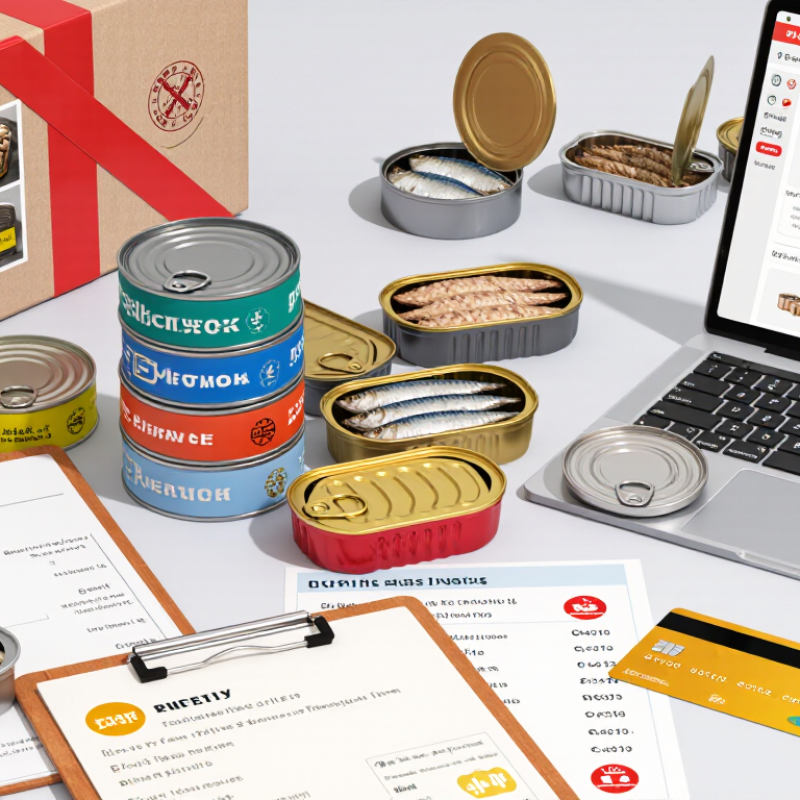
Global buyers should define their tinned-fish needs before comparing online offers. FAO reported about 185 million tonnes of global aquatic animal production in 2022. This figure covers wild capture and aquaculture, not canned products alone. It provides useful market scale, but it cannot confirm supply for one species or destination.
Specify the fish, cut, net weight, drained weight, packing medium, and preferred origin.
Choose oil, brine, or sauce according to taste, nutrition, and freight conditions. Ask sellers for production dates, lot codes, shelf life, ingredient lists, allergen details, and storage instructions. Clear photographs can reveal dented cans, swollen lids, or missing labels. Request laboratory or official inspection documents when shipment rules require them. Check whether the label language meets the destination market’s requirements.
I have found that pack size is often underestimated. A 100-gram can may suit retail shoppers, while food-service buyers may need larger formats and stable case counts. Calculate landed cost, including freight, duties, insurance, and possible inspection fees. Confirm the seller’s company details and written quotation before payment. Avoid relying on vague claims such as “premium quality” or “ocean fresh.” They prove little.
The FAO baseline also encourages careful thinking about sustainability. Ask whether the species, fishery, and farming method are documented. Certification can help, but it is not a complete guarantee. Online buying remains imperfect. Product photos may hide inconsistent grading, and delivery estimates can change. Build a small trial order into the purchasing plan.
Screen Online Exporters Using HS 1604 Trade Records and Factory Proof
How to Buy Tinned Fish Online for Global Buyers?
HS 1604 trade records offer a useful first filter for online fish exporters. The code covers prepared or preserved fish, including many tinned products. Check shipment frequency, declared weight, destination markets, and unit value over 12 to 24 months. A single shipment proves little. Repeated records show commercial activity, but not necessarily reliable production. UN Comtrade data can reveal these patterns, although reporting quality differs between countries.
Compare the exporter’s records with factory evidence. Request a valid processing license, production address, product specifications, and recent inspection documents. Ask for a live video tour. Watch the canning line, retort equipment, warehouse temperature controls, and carton labeling. Match the factory name and address across invoices, certificates, websites, and trade records. Small inconsistencies deserve questions. They may reflect translation errors, or something more serious.
FAO’s State of World Fisheries and Aquaculture 2024 reported 185.4 million tonnes of global fisheries and aquaculture production in 2022. This scale supports strong demand, but it also creates crowded online sourcing channels. Use HS 1604 records beside FAO sector data, not instead of factory checks. Review traceability from raw fish to finished cartons. Confirm lot codes, net weight, ingredients, shelf life, and third-party testing. A perfect spreadsheet can still hide a weak facility. I have learned that honest verification takes longer than a quick price comparison. That delay is often worthwhile.
Compare MOQ, Incoterms, Tariffs, and Freight by Landed Cost per Can
Buying tinned fish online requires more than comparing the supplier’s unit price. Calculate landed cost per can: product price, packaging, inland delivery, freight, insurance, duty, customs fees, and destination handling. Divide the complete shipment cost by the sellable can quantity. A low factory quote can still lose money at the port.
MOQ changes the calculation.
A larger order may reduce the can price, but it can increase inventory financing and expiry risk. Compare Incoterms carefully. Under FOB, the buyer usually controls the main freight and insurance. Under DDP, the seller manages delivery, but the margin may hide weaker transport choices. UNCTAD’s Review of Maritime Transport 2023 states that maritime shipping carries over 80% of global merchandise trade by volume. Freight volatility therefore deserves a separate sensitivity check.
Tariffs depend on the correct HS classification, fish species, processing method, origin, and destination agreement. Verify them with the importing authority or a licensed customs broker. The World Bank’s Logistics Performance Index 2023 shows major differences in customs efficiency and shipment reliability across markets. Those differences affect storage and demurrage costs. FAO’s State of World Fisheries and Aquaculture 2024 reported 185 million tonnes of aquatic animal production in 2022, showing the scale of global supply, but not uniform pricing.
For a practical test, compare three quotes using the same can size, pallet count, currency, and delivery port. Then model freight rising 20%. It may look excessive. It is better than discovering the mistake after payment. A spreadsheet can expose hidden costs, although it cannot predict every inspection delay.
Verify FDA and EU Rules, Traceability, Labels, and Allergen Declarations
When buying tinned fish online, verify compliance before comparing price or packaging. In procurement reviews, I check whether the supplier understands FDA requirements for U.S. shipments and current EU food rules. The exporter may need registered facilities, prior shipment information, and process controls for low-acid canned foods. Requirements can vary by product and destination.
Ask for traceability records before placing a large order. The supplier should identify the fishing vessel or farm, catch area, production date, lot code, and processing site. One step back and one step forward matters. Request invoices, batch records, and relevant certificates. Documents should match the can codes, not just a general product sheet.
Read the label carefully. It should state the fish species, net weight, drained weight, ingredients, origin details, lot identification, best-before date, and storage conditions. EU buyers may need information in the required local language. Allergen declarations must clearly identify fish, including fish-based ingredients in sauces. In the United States, labeling expectations also depend on the product formulation and claims. Check sodium, oil, additives, and nutrition information against the actual recipe. Small discrepancies can delay customs clearance.
Do not trust polished photos alone. Ask for a label proof and recent product samples. I have sometimes found outdated artwork in otherwise reliable supplier files. That mistake is easy to miss, and expensive to correct. Rules change, so confirm requirements with the destination authority or a qualified compliance professional before shipment.
Approve Samples, Check Shelf Life, and Inspect Before Global Shipment
Buying tinned fish online requires more than comparing prices and packaging photos. Approve physical samples before placing a large order. Check the fish texture, oil or sauce clarity, net weight, can seams, and opening performance. A sample may look acceptable but taste flat after storage. Record batch numbers and photograph each carton. FAO’s State of World Fisheries and Aquaculture 2024 reported about 185 million tonnes of aquatic animals produced globally in 2022. That scale shows why consistent quality controls matter for international buyers.
Shelf life needs careful verification. Ask for the production date, best-before date, storage conditions, and remaining shelf life at shipment. Many importers require at least 70% of the original shelf life remaining. Confirm this in writing. Codex Standard for Canned Fish and Fishery Products, CXS 119-1981, emphasizes sound processing, container integrity, and product safety. Do not rely only on a supplier’s spreadsheet. I once treated a long shelf life as proof of quality; it was not. Heat exposure during storage can still damage flavor.
Tips: Request samples from different production batches. Inspect dents, rust, swelling, leaking seams, and wet cartons before loading. Use an independent inspection company when order value is high. Check container cleanliness and seal numbers at dispatch. Small details matter. A practical inspection report should include photos, temperatures, carton counts, and rejected units. NOAA Fisheries’ Fisheries of the United States reports also show the continuing importance of seafood trade data, but trade volume alone cannot prove supplier reliability. That part still requires judgment.