What is Tinned Seafood and Why Is It So Popular?
Tinned seafood has become a staple in many households around the globe. Its convenience and long shelf-life appeal to busy consumers. Notably, experts like Chef Maria Lopez highlight its culinary versatility. “Tinned seafood is a treasure waiting to be rediscovered,” she often says. This emphasizes the potential of these canned delights beyond mere convenience.
Tinned seafood includes products like tuna, sardines, and mackerel. Each offers unique flavors and nutritional benefits. With rising interest in sustainable food sources, tinned seafood stands out. It’s an eco-friendly option compared to many other protein sources. However, some may question the quality of canned versus fresh seafood.
Critics often note that tinned options can lack freshness. It's essential to choose high-quality brands to ensure flavor and health benefits. Although tinned seafood provides easy access to essential nutrients, it’s worth exploring the aspects that can improve its perception. By understanding the nuances of tinned seafood, consumers can appreciate it more fully.

What is Tinned Seafood and Its Definition
Tinned seafood refers to fish and shellfish that are preserved in sealed cans. This method dates back centuries and ensures long shelf life. While tinned seafood may conjure images of lesser quality food, its popularity has surged thanks to nutritious offerings. Fish like tuna, salmon, and sardines retain their flavors and nutrients through the canning process.
The appeal of tinned seafood lies in its convenience and versatility. It's easy to store and can be used in various dishes. Whether tossed into salads or served on crackers, these options make meal preparation simple. However, not all canned seafood is created equal. Some products may contain added preservatives or excessive sodium, making it essential to read labels carefully.
Despite its advantages, tinned seafood can sometimes feel uninspired. The packaging often lacks visual appeal and may not showcase the product well. Additionally, some consumers worry about sustainability and fishing practices. These concerns warrant careful purchasing decisions. Being informed about the source and quality can enhance the experience. With the right choices, tinned seafood can be both a delicious and healthy option.
The Historical Context of Tinned Seafood Production
Tinned seafood has a rich history that dates back to the early 19th century. The invention of the canning process revolutionized food preservation. This method allowed for longer shelf life and reduced spoilage. Initially used to supply armies and ships, tinned seafood soon found a place in households. People appreciated its convenience and durability.
The popularity of tinned seafood grew in various cultures. In Europe, it became a staple during times of scarcity. The ability to store fish, shellfish, and other seafood for months was a game-changer. Many families relied on tinned options for their daily meals. In a world increasingly dominated by fast food, this traditional method of preservation reminds us of simpler times.
However, the perception of tinned seafood has fluctuated. Despite its practicality, some view it as inferior to fresh options. There's an ongoing debate about taste versus convenience. This complexity enhances the allure of tinned seafood. People are rediscovering its unique flavors and textures. As culinary trends evolve, tinned seafood may reclaim its celebrated status in modern kitchens.
Nutritional Benefits of Consuming Tinned Seafood
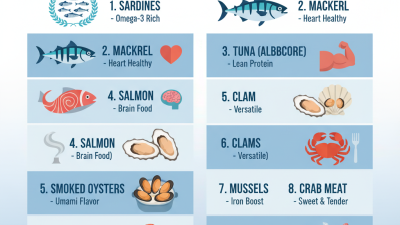
Tinned seafood has gained immense popularity due to its convenience and nutritional value. Rich in omega-3 fatty acids, these products provide essential benefits for heart health. Omega-3s support brain function and can reduce inflammation, making tinned fish a smart choice for many diets.
The protein content in tinned seafood is another highlight. A single serving can be a significant source of high-quality protein. This is crucial for muscle repair and overall health. However, it's worth noting that excess sodium can be a concern. Many tinned products contain added salt for preservation. Choosing low-sodium options can help manage this issue.
Additionally, tinned seafood is versatile. It can be used in salads, pasta, or on its own. While it offers many advantages, not all brands prioritize quality. Consumers should read labels carefully. Checking for sustainability certifications can also guide healthier choices. Balancing convenience with quality is essential in making the most of tinned seafood.
Factors Contributing to the Popularity of Tinned Seafood
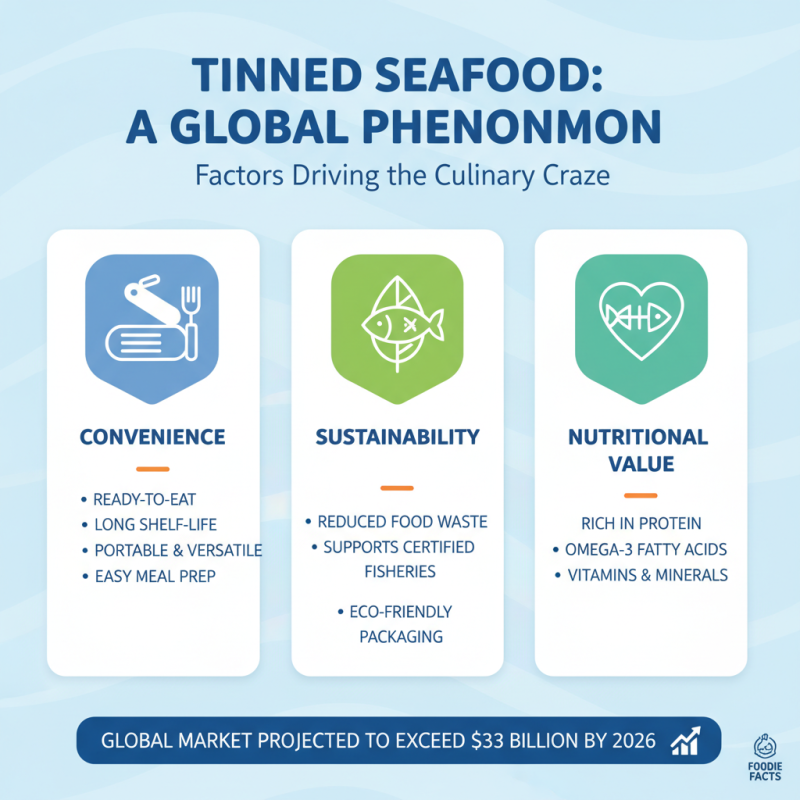
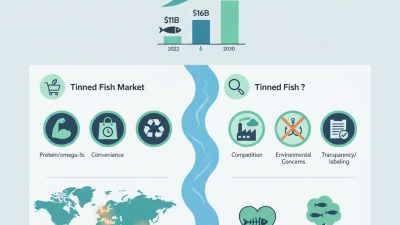
Tinned seafood has surged in popularity, driven by various factors like convenience, sustainability, and nutritional value. According to market surveys, the global tinned seafood market is projected to exceed $33 billion by 2026. This growth reflects changing consumer preferences toward easy meal options that don’t compromise on nutrition.
One major factor is the increased focus on healthy eating. Tinned fish is rich in omega-3 fatty acids, high-quality protein, and essential vitamins. Research indicates that diets including fish can lower the risk of heart disease and improve brain health. Additionally, tinned seafood offers a shelf-stable protein source, which appeals to consumers prioritizing food longevity, especially in uncertain times.
Sustainability also plays a critical role. Many consumers are more aware of the environmental impact of their food choices. Tinned seafood often utilizes fish that are caught sustainably, especially compared to other meat sources. The Seafood Watch program, which evaluates sustainable seafood options, endorses several tinned varieties, boosting their credibility. This shift has prompted more people to add tinned seafood to their diets. Yet, some issues remain. Not all brands prioritize sustainability, and consumers must remain vigilant about sourcing.
Culinary Uses and Recipes Featuring Tinned Seafood
Tinned seafood is a versatile ingredient popular across various cuisines. Its rich flavor and long shelf life make it a favorite choice for home cooks and chefs alike. According to recent industry trends, the canned seafood market is projected to grow at a rate of 4.5% annually. This growth highlights an increasing appreciation for convenience and sustainability in food choices.
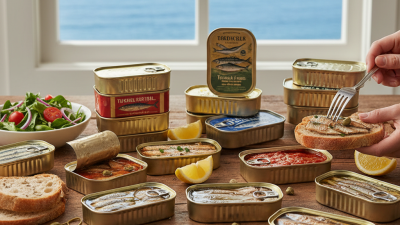
Culinary uses for tinned seafood are vast. From salads to pastas, it can enhance any dish. A simple transformation occurs when adding mackerel or sardines to a green salad, resulting in a protein-rich meal. Alternatively, combining tinned tuna with whole grain pasta leads to a quick and satisfying dinner. Similarly, a spread made from canned salmon and cream cheese can elevate a humble bagel. Recipes often call for vibrant spices to balance flavors, bringing a unique twist to traditional dishes.
Many people are unaware of the environmental impact of their seafood choices. Canned options often come from sustainable sources, reducing overfishing concerns. However, consumers should be cautious about sourcing. Not all brands prioritize sustainability. Reading labels can ensure responsible choices. Experimenting with tinned seafood opens doors to new flavors while being environmentally conscious. It’s a small step that can lead to thoughtful cooking.