10 Best Canned Seafood Suppliers for Global Buyers
Canned seafood remains a practical bridge between ocean supply and everyday meals. It travels well, stores without refrigeration, and fits the needs of retailers, foodservice companies, and emergency kitchens. Yet a bright label and low price do not guarantee responsible sourcing.
The FAO’s State of World Fisheries and Aquaculture 2024 reported 185 million tonnes of aquatic animals produced in 2022. About 89% entered direct human consumption. This scale makes supplier selection more important. Buyers must examine species, fishing grounds, processing methods, factory audits, certifications, and recall procedures. Tin quality matters too. A dented can, weak seam, or unclear lot code can expose weaknesses before the product reaches a warehouse shelf.
Fisheries scientist Dr. Rainer Froese has emphasized, “A sustainable fishery must leave enough fish in the sea.” That principle belongs in every canned seafood purchasing conversation. It should influence tuna, sardines, mackerel, salmon, and shellfish decisions.
This guide evaluates ten leading canned seafood suppliers for global buyers. It considers product range, export experience, traceability, certifications, packaging consistency, and buyer support. Information is compared with FAO data, OECD-FAO Agricultural Outlook findings, and publicly available company records. However, no ranking can remove every uncertainty. Certification coverage may differ by product or facility. Supplier websites can also present selective information. Buyers should verify current documents before signing contracts.
The strongest supplier is not always the largest. Sometimes, reliability begins with one readable lot code.
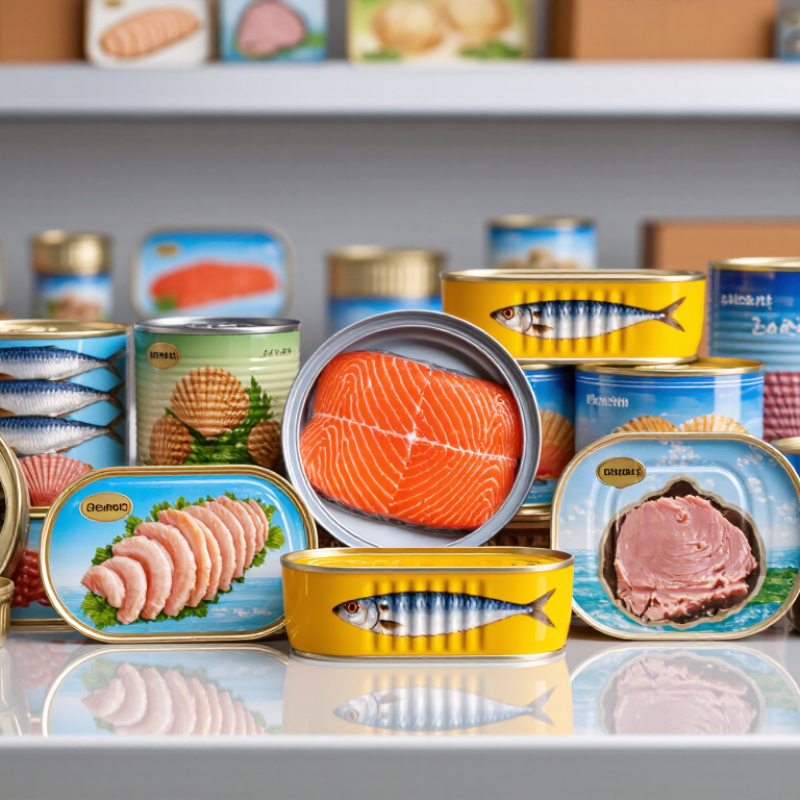
Global Canned Seafood Demand: 185 Million Tonnes of Aquatic Output in 2022 (FAO)
FAO reported about 185 million tonnes of aquatic animal production in 2022, showing the scale behind modern seafood trade. This volume includes wild capture and aquaculture, not canned products alone. For global buyers, it signals both opportunity and pressure: supply must be steady, traceable, and responsibly handled. Scale matters. The strongest canned seafood suppliers usually combine audited processing, stable raw-material access, and export experience.
For a shortlist of ten suppliers, buyers should compare species, origin, can sizes, cooking media, net weight, and annual capacity. Ask for lot-level traceability records. Useful evidence includes HACCP-based controls, recognized food-safety certification, laboratory results, and clear allergen procedures. Packaging also deserves close attention. Check seam integrity, corrosion resistance, label accuracy, and shelf-life data before approving a contract. Container loading plans and temperature records can reveal practical competence better than polished sales material. That is where many evaluations become too optimistic.
Price remains important, but an unusually low quote may hide weaker specifications, delayed documentation, or inconsistent grading. Request samples from different production lots, then compare texture, odor, fill weight, and liquid ratio. Confirm whether each supplier can manage seasonal shortages without changing agreed standards. Payment terms, recall procedures, and dispute handling also deserve written detail. No checklist is perfect. I would rank suppliers by verified performance, not catalogue breadth, while leaving room to question my own assumptions.
Supplier Selection Criteria: FDA HACCP, EU IUU, BRCGS, and FSSC 22000
Global buyers should judge canned seafood suppliers by verified controls, not glossy catalogs. The FAO’s State of World Fisheries and Aquaculture 2024 reported 185 million tonnes of aquatic animals produced in 2022, with about 89% used for human consumption. That scale makes traceability more than paperwork. It is a daily operating discipline.
For United States shipments, request a current Seafood HACCP plan, hazard analysis, monitoring records, and corrective-action evidence. FDA guidance expects controls for hazards such as histamine, allergens, and bacterial growth. Ask to see lot codes, retort records, and product-release checks. A perfect audit score is not enough. Review how quickly the supplier handles a failed seal or temperature deviation.
For European distribution, verify IUU documentation, catch-area records, vessel information, and chain-of-custody links before purchasing. The European Commission’s IUU framework requires catch certification for many imported fishery products. Also check a valid BRCGS or FSSC 22000 certificate, its scope, expiry date, and audited site address. These schemes support food-safety management, but certificates do not replace factory visits. Compare sanitation around drains, can integrity, pallet protection, and pest-control logs. GFSI benchmarking information shows that recognized certification is widely used in global food supply chains, yet smaller suppliers may present incomplete evidence. That is where buyers should slow down. Sometimes, the cheapest quotation hides the most expensive question.
Top Five Suppliers: Species, Processing Capacity, Certifications, and Export Markets
Global canned seafood sourcing is expanding with demand for stable, shelf-ready protein. FAO’s State of World Fisheries and Aquaculture 2024 reported 185 million tonnes of aquatic animal production in 2022. About 89% entered human food supply. For global buyers, the strongest five supplier profiles are tuna processors, sardine and mackerel specialists, salmon canners, shellfish packers, and mixed-species private-label plants.
Tuna suppliers often offer the largest processing lines, with skipjack and yellowfin packed in oil, brine, or water. Sardine and mackerel plants usually provide seasonal flexibility and strong European, North African, and Middle Eastern distribution. Salmon processors serve premium retail channels, while shellfish facilities focus on traceability and careful temperature control. Mixed-product suppliers can reduce procurement complexity. They can also create quality variation.
Capacity must be checked as finished cases, not raw fish intake. Buyers should request audited production volumes, cold-storage space, sterilization records, and container-loading schedules. HACCP remains essential, while BRCGS, IFS, ISO 22000, MSC, or ASC certification may support specific market claims. Certification scope matters. A certificate covering one site does not cover every factory. The OECD-FAO Agricultural Outlook 2024–2033 also highlights continuing pressure on seafood trade, feed costs, and resource management. Export experience in the European Union, United States, Japan, and Gulf markets should be verified through customs records and customer references. Data can look impressive. Factory visits still reveal more.
Next Five Suppliers: Private Labels, Minimum Orders, Packaging, and Shelf Life
For global buyers, the next five canned seafood suppliers should be assessed beyond price. Private-label capability matters because labels, recipes, and pack sizes must match local retail rules. FAO’s 2024 State of World Fisheries and Aquaculture report recorded 185 million tonnes of aquatic animal production in 2022. About 89% entered human consumption. This scale supports broad sourcing, but quality still varies by plant and season.
Ask each supplier for a clear minimum order quantity, or MOQ. A practical range may run from one mixed pallet to several container loads, depending on the product and printing method. Custom printed cans usually require higher MOQs than stock packaging. Confirm carton dimensions, pallet patterns, can coatings, pull-tab options, and language space. Small details matter. They affect warehouse costs.
Shelf life deserves evidence, not promises.
Many commercially sterilized canned seafood products carry a two- to five-year best-before period, subject to formulation, process validation, and storage conditions. Request thermal-process records, lot coding examples, migration declarations, and recent laboratory results. Codex guidance supports risk-based controls for hygienic food production, while national authorities may impose additional requirements. A 2024 UN Comtrade review can help compare trade flows, but it cannot verify a supplier’s factory. I would also test a pilot order before committing. It costs more upfront. It may expose weak seals, dent-prone cartons, or disappointing texture.