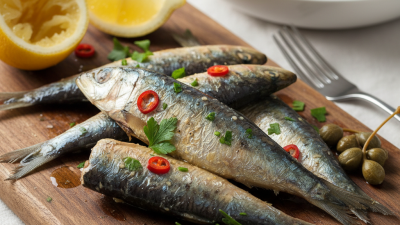
Top 10 Sardines Nutrition Facts for Global Buyers
Sardines are small fish with a surprisingly strong nutritional profile, making them important for global seafood buyers. FAO’s The State of World Fisheries and Aquaculture 2024 reported 185.4 million tonnes of aquatic animal production in 2022. This expanding market increases demand for products that are nutritious, traceable, and consistently specified. Sardines can meet these expectations when suppliers provide accurate species, origin, processing, and storage information.
According to USDA FoodData Central, canned Atlantic sardines in oil provide about 25 grams of protein per 100 grams. The same serving contains substantial calcium, vitamin B12, selenium, and long-chain omega-3 fatty acids. Edible bones provide much of the calcium. That detail matters. Buyers comparing fillets with bone-in products may see different nutrition results. Preparation also changes the final profile. Oil-packed, water-packed, smoked, and salted sardines should not be treated as identical products.
This guide examines the top 10 sardines nutrition facts that influence purchasing decisions. It considers protein density, omega-3 content, calcium, vitamin D, sodium, calories, and mercury considerations. The FDA lists sardines among lower-mercury “Best Choices,” although buyers should still verify species and local requirements. Codex standards and national labeling rules may also differ. No single label tells the whole story. Laboratory testing remains more reliable than promotional language, especially for sodium and nutrient claims. Some figures may look exact, but natural variation is unavoidable. Fish size, season, feeding conditions, and processing can all shift results. That is an important limitation for responsible global sourcing.
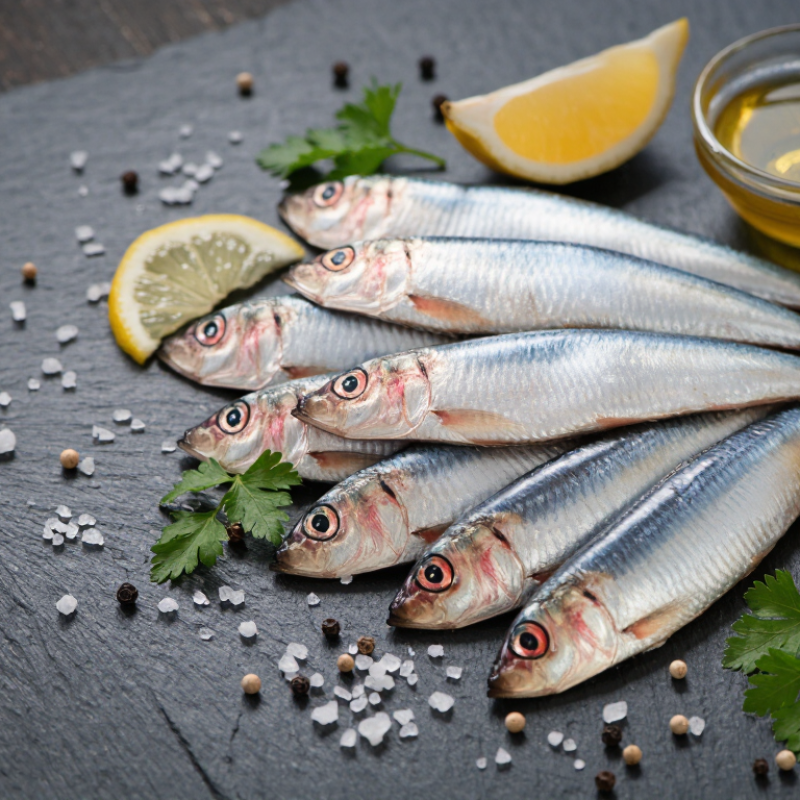
What Sardines Are and Why Their Nutrition Matters
Top 10 Sardines Nutrition Facts for Global Buyers
What Sardines Are and Why Their Nutrition Matters
Sardines are small, oily forage fish eaten fresh, frozen, or canned. Their nutrition matters because the whole edible fish can deliver protein, minerals, and marine omega-3 fats in one compact portion. USDA FoodData Central reports about 208 calories, 24.6 grams of protein, and 382 milligrams of calcium per 100 grams of canned sardines in oil. The edible bones matter. They provide much of that calcium.
Ten practical facts deserve attention: sardines contain EPA and DHA, vitamin D, vitamin B12, selenium, phosphorus, iodine, and protein. USDA data lists roughly 8.9 micrograms of vitamin B12 and 52.7 micrograms of selenium per 100 grams. EFSA identifies 250 milligrams of EPA and DHA daily as an adequate intake for adults. Actual omega-3 levels vary with species, season, feed, and processing.
Preparation changes the buying decision. Oil-packed products can carry more calories, while brine-packed products may contain substantial sodium. Labels should show drained weight, species, harvest area, additives, and storage conditions. FAO’s The State of World Fisheries and Aquaculture 2024 reports 185 million tonnes of aquatic animals produced globally in 2022, showing the scale of seafood trade. Scale alone does not guarantee quality.
A careful buyer should compare laboratory results, not rely only on marketing language. I would also question universal nutrition claims. Canning softens bones, but heat and storage can still affect some nutrients. Small details matter.
Protein, Calories, and Healthy Fats in Sardines
Small fish, serious nutrition. Sardines offer dense protein, moderate calories, and useful fats for global buyers. According to USDA FoodData Central, 100 grams of sardines canned in oil provides about 208 calories, 24.6 grams of protein, and 11.5 grams of fat. Exact values change with draining, cooking, and packing medium.
The fat profile deserves attention. USDA data reports meaningful EPA and DHA omega-3 content, while the NIH Office of Dietary Supplements recognizes these fatty acids as important nutrients. Sardines with edible bones can also provide substantial calcium, often exceeding 300 milligrams per 100 grams. This supports product positioning for nutrition-focused markets. Still, labels must be checked carefully. Sodium can rise sharply in salted products, and one database entry may not represent every processing method. That is where buyers should stay cautious.
Tips: Compare nutrition panels on a drained-weight basis, not only by serving size. Request laboratory specifications for protein, calories, total fat, EPA, DHA, calcium, and sodium. Storage conditions matter too; heat and extended holding can affect quality. FAO fisheries reports emphasize the importance of traceability and responsible seafood supply chains, but nutrition alone cannot prove sourcing quality. A low-cost product may look efficient on paper. It may also contain more salt or less edible yield than expected.
Omega-3s and Their Benefits for Heart and Brain Health
Top 10 Sardines Nutrition Facts for Global Buyers
Omega-3s and Their Benefits for Heart and Brain Health
Sardines are small fish with concentrated nutrition. Their main omega-3 fats are EPA and DHA, which support normal heart function and brain structure. Regular seafood intake is associated with better cardiovascular health, although food alone cannot replace medical care. Sardines also provide protein, vitamin D, vitamin B12, calcium, and selenium. Their edible bones often supply extra calcium.
For global buyers, nutrition depends on species, harvest area, processing, and storage. Fresh sardines usually have a delicate texture and mild ocean aroma. Canned sardines can retain meaningful omega-3 levels, but heat and packing liquids may change their final profile. Check the label for EPA and DHA amounts, sodium, serving size, and added oils. Lower-sodium options may suit buyers monitoring salt intake.
The brain benefit is not simple.
DHA helps maintain brain cell membranes, while EPA supports normal inflammatory balance. Research suggests seafood patterns may support cognitive health, but results differ by age, diet, and health status. I would avoid promising sharper memory from one serving. That claim is too neat. Buyers should also review traceability records, allergen controls, cold-chain practices, and local labeling rules. A damaged can, leaking seal, or unusually strong smell deserves caution. Even trusted nutrition tables contain variation. Sardines from different waters may not deliver identical omega-3 levels.
Essential Vitamins and Minerals Found in Sardines
Sardines offer a compact package of essential vitamins and minerals. The USDA FoodData Central entry for canned sardines in oil lists about 382 milligrams of calcium per 100 grams. That equals roughly 38% of the adult Daily Value. The same portion provides approximately 8.9 micrograms of vitamin B12, 52.7 micrograms of selenium, and 4.8 micrograms of vitamin D. These nutrients support bone structure, red blood cell formation, immune function, and normal metabolism. Sardines also supply phosphorus, magnesium, iron, zinc, niacin, and vitamin B6. Small fish, serious nutrition.
The NIH Office of Dietary Supplements sets the adult vitamin B12 requirement at 2.4 micrograms daily. One 100-gram serving can therefore exceed that level several times. Selenium intake approaches the adult recommended amount of 55 micrograms. However, global buyers should read the complete specification, not only the nutrient headline. Calcium depends heavily on edible bones remaining in the product. Sodium may rise sharply in salted or seasoned formats. The USDA data also show differences between fresh, canned, drained, and oil-packed sardines. Packaging can change the numbers. Species, harvest season, processing temperature, and serving size matter too. A cautious buyer should request laboratory verification and a current nutrition panel. FoodData Central is useful, but it is not a substitute for product-specific testing. That limitation deserves attention.
Safety, Sustainability, and Buying Considerations for Global Buyers
For global sardine buyers, nutrition value begins with safety control. Sardines can accumulate histamine when chilled slowly after landing. Cold chain matters. U.S. FDA guidance identifies 50 mg/kg as an action level for histamine in scombrotoxin-forming fish. Buyers should request lot-specific temperature records, laboratory results, harvest dates, and processing details. Canned products also need verified can integrity, seam checks, and clear batch traceability. A polished label cannot replace technical evidence.
Sustainability depends on the stock, fishing area, and method. The FAO’s State of World Fisheries and Aquaculture 2024 reported that only 62.3% of assessed marine fish stocks were biologically sustainable in 2021. That figure makes origin essential. Ask for the exact fishing zone, landing port, season, gear type, and catch documentation. Independent certification can support evaluation, but it is not a magic shield. Local stock data may be older than buyers expect.
Buying decisions should connect safety, sustainability, and supplier capability. Compare yield, drained weight, oil or sauce quality, packaging materials, and transport emissions. A low price may reflect efficiency, or weak traceability. I have seen buyers focus heavily on omega-3 content while overlooking temperature abuse. That is an avoidable mistake. Ask for corrective-action records, not only certificates. Some documentation will still be incomplete, and that uncertainty deserves honest review.
Top 10 Sardines Nutrition Facts for Global Buyers - Safety, Sustainability, and Buying Considerations for Global Buyers
| No. | Nutrition or Purchasing Dimension | Typical Fact or Range | Why It Matters to Global Buyers | Recommended Buying Check |
|---|---|---|---|---|
| 1 | High-Quality Protein | Approximately 23–25 g of protein per 100 g of edible, drained sardines. | Sardines provide a compact source of complete protein, containing all essential amino acids and supporting high-protein retail and foodservice products. | Request a laboratory nutrition analysis for the exact species, preparation method, and finished product. |
| 2 | Omega-3 Fatty Acids | Approximately 1.0–1.5 g of combined EPA and DHA per 100 g, depending on species, season, and processing. | EPA and DHA are long-chain omega-3 fats associated with cardiovascular and neurological health, making sardines attractive for nutrition-focused markets. | Verify EPA and DHA values separately where required, and confirm that any health claims comply with the destination market’s regulations. |
| 3 | Calcium Content | About 350–570 mg of calcium per 100 g when the edible bones are retained; boneless products contain substantially less. | Soft, heat-processed bones can make sardines an important dietary calcium source and can support fortified-food positioning without added ingredients. | Confirm whether bones are retained, softened, or removed, and check calcium values on the product-specific specification sheet. |
| 4 | Vitamin B12 | Typically around 8–9 µg per 100 g, although values vary by species and analysis method. | Sardines are naturally rich in vitamin B12, a nutrient relevant to normal red-blood-cell formation and nervous-system function. | Use validated laboratory results for nutrition labeling and review local rules for rounding and daily-value declarations. |
| 5 | Vitamin D and Selenium | Sardines generally provide meaningful vitamin D and selenium; exact levels vary widely with species, geography, season, and processing. | These nutrients increase the product’s nutritional value, but generic database values should not replace testing of the finished product. | Ask for a current certificate of analysis when vitamin D or selenium content is used in product claims or buyer specifications. |
| 6 | Calories and Fat | Plain or drained sardines commonly provide about 180–230 kcal and 10–15 g of fat per 100 g; packing oil can increase energy content. | The packing medium affects calories, flavor, allergen declarations, and consumer positioning. Water-packed products generally have a lower energy value than oil-packed products. | Specify the packing medium, drained weight, oil type, and whether the nutrition panel is based on drained or undrained contents. |
| 7 | Mercury and Food Safety | Sardines are generally considered low-mercury fish because they are small, short-lived, and lower on the marine food chain; contamination levels still require monitoring. | Low mercury can be a purchasing advantage, while histamine formation, pathogens, heavy metals, and foreign materials remain important seafood-safety risks. | Require HACCP-based controls, accredited laboratory testing, lot traceability, temperature records, and compliance with destination-country contaminant limits. |
| 8 | Sustainability and Stock Status | Sardines are generally low-trophic-level species, but sustainability differs by stock, fishing area, season, catch method, and management effectiveness. | A species name alone does not prove sustainability. Regional stock pressure, bycatch, fishing mortality, and ecosystem effects can differ substantially. | Request the scientific species name, catch area, fishing season, management information, and credible third-party sustainability documentation where available. |
| 9 | Packaging and Shelf Stability | Commercially retorted canned sardines are shelf-stable when the container remains sealed and undamaged; quality declines with excessive heat, rust, swelling, or leakage. | Packaging format influences transport efficiency, shelf life, recyclability, breakage risk, and compliance with importer and retailer requirements. | Define container material, net and drained weights, retort validation, best-before period, storage conditions, corrosion resistance, and packaging recyclability. |
| 10 | Traceability and Label Compliance | A reliable lot record should connect the finished product with species, catch area, harvest date or season, processing batch, ingredients, and packaging lot. | Traceability supports recalls, customs clearance, sustainability verification, allergen control, and accurate consumer labeling across international markets. | Confirm scientific species name, country of origin, catch or production area, allergens, additives, language requirements, net weight, drained weight, and importer documentation. |
Data note: Nutrition values are indicative ranges for commonly marketed sardines and can vary by species, stock, season, geographical origin, cooking method, packing medium, and drained condition. Product-specific laboratory analysis and destination-market regulations should be used for final specifications and labeling.
Related Posts
-
Why Are Sardines Nutrient Dense for Your Health?
-
Where to Buy Tinned Fish Online for Your Business Needs?
-
How to Prepare Sardine Fish for Maximum Flavor and Health Benefits
-
Essential Tips for Sourcing Quality Canned Fish Globally
-
2026 How to Buy Canned Fish for Global Trade Opportunities?
-

2026 Best Sardines in Olive Oil for Global Buyers?