Top 10 Seaweed Fertilizer Benefits for Global Buyers
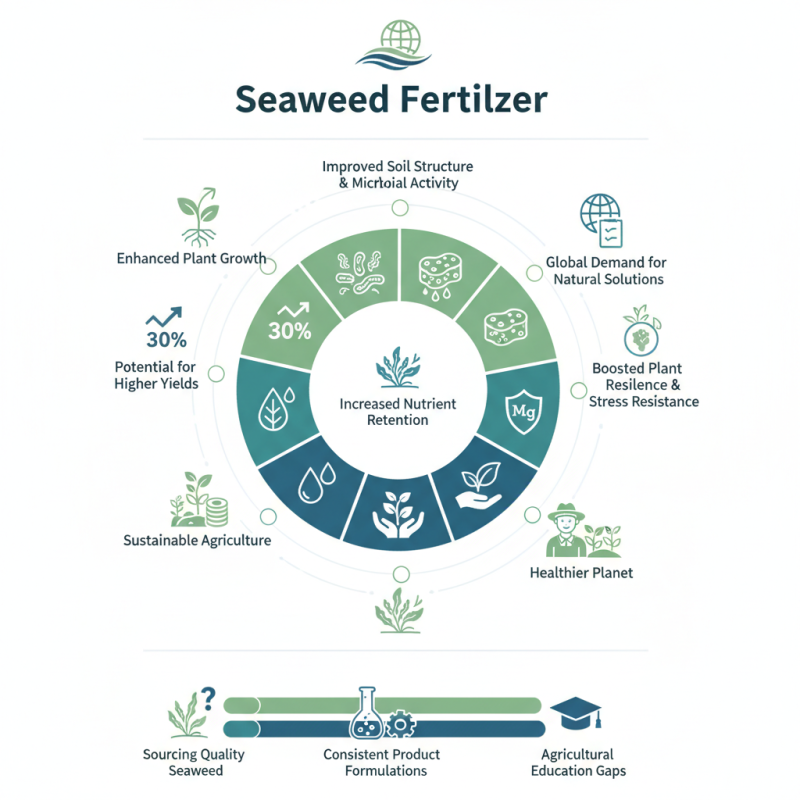
Seaweed Fertilizer has emerged as a revolutionary option for sustainable agriculture. With global concerns over soil health and chemical runoff, buyers are increasingly turning to natural solutions. Reports from industry experts indicate that seaweed fertilizers can enhance plant growth by up to 30%. This increase is often attributed to the unique bioactive compounds found in seaweed.
Research highlights how seaweed fertilizers improve soil structure, increase microbial activity, and boost nutrient retention. These benefits contribute to overall plant resilience, enabling crops to better withstand environmental stress. Additionally, seaweed fertilizers are rich in essential nutrients such as potassium and magnesium. These elements play crucial roles in promoting healthy plant development.
Despite these advantages, challenges remain. For instance, sourcing quality seaweed, maintaining consistent product formulations, and addressing agricultural education gaps are crucial areas for improvement. As global buyers seek sustainable options, the need for reliable, high-quality seaweed fertilizers is evident. Embracing these solutions could redefine our agricultural practices and contribute to a healthier planet.
The Unique Nutritional Profile of Seaweed Fertilizers
Seaweed fertilizers are gaining popularity due to their unique nutritional profile. These natural products are rich in essential nutrients, including nitrogen, phosphorus, and potassium. They also contain trace elements like iron, zinc, and copper. These minerals support plant growth and improve soil health.
What makes seaweed fertilizers stand out is their bioactive compounds. These compounds can stimulate plant growth and enhance resistance to diseases. Seaweed extracts have growth hormones, which promote root development. This can lead to stronger and more resilient plants. Additionally, they improve nutrient uptake efficiency.
While seaweed fertilizers offer many benefits, they may not be suitable for all agricultural practices. Some farmers might notice inconsistencies in performance. Environmental factors can also affect the effectiveness of these fertilizers. It's important for buyers to consider these aspects to make informed decisions. Understanding their specific needs can lead to better agricultural outcomes.
How Seaweed Fertilizers Enhance Soil Health and Structure
Seaweed fertilizers play a vital role in enhancing soil health and structure. They enrich the soil with essential nutrients, promoting better plant growth. Many farmers and gardeners appreciate the natural nutrients found in these fertilizers. The organic matter in seaweed improves soil texture, making it more resilient and fertile.
When applied, seaweed fertilizers stimulate microbial activity in the soil. This increased activity helps break down organic matter, releasing nutrients for plants. Healthier microbes create a balanced ecosystem, which is crucial for sustainable agriculture. However, the effectiveness can vary based on soil conditions and the seaweed type used. Not all seaweeds have the same nutrient profile, leading to inconsistent results.
The retention of moisture in the soil is another significant benefit. Seaweed fertilizers create a gel-like substance that retains water, making it available to plants. This characteristic can reduce the need for frequent watering, thereby saving water resources. However, excessive reliance on seaweed fertilizers without a complete soil management strategy can lead to imbalances. As a result, it's essential for users to combine this approach with regular soil testing and amendments.
Top 10 Seaweed Fertilizer Benefits for Global Buyers
The Impact of Seaweed Fertilizers on Plant Growth and Yield
Seaweed fertilizers have gained attention for their positive effects on plant growth. Rich in micronutrients, these fertilizers can enhance soil health. They provide essential elements that promote root development. Healthy roots lead to stronger plants. This chain reaction improves the overall yield of crops.
Research indicates that seaweed extracts stimulate plant hormones. These hormones help regulate growth and stress response. When exposed to seaweed fertilizers, plants exhibit increased resistance to drought and disease. This resilience is crucial for sustainable farming, especially in changing climates. However, results can vary based on the type of seaweed and the application method.
Some farmers hesitate to fully embrace seaweed fertilizers. Questions about effectiveness linger. The variability in plant response can be frustrating. But many have reported improved yields and better crop quality over time. Continued studies are needed to understand these differences fully. Despite the challenges, the benefits of seaweed fertilizers remain compelling for global agriculture.
Eco-friendly Benefits of Using Seaweed Fertilizers in Agriculture
Seaweed fertilizers have gained popularity in agriculture due to their eco-friendly attributes. These fertilizers derive from marine algae, promoting sustainability in farming practices. According to a study by the International Journal of Agronomy, seaweed fertilizers can enhance soil health, improving nutrient retention. This has been evident in numerous field trials where crop yields increased by 10-20% when seaweed-based products were used.
One significant benefit is their role in reducing chemical runoff. With farmers increasingly turning to organic methods, seaweed provides a low-impact alternative to synthetic fertilizers. The United Nations has reported that adopting organic fertilization could decrease greenhouse gas emissions by over 20% in agriculture. Additionally, seaweed fertilizers can help restore soil microbiomes, fostering biodiversity. This is crucial as healthy soils contribute to robust ecosystems.
Despite these advantages, challenges remain. Some farmers report inconsistencies in the effectiveness of seaweed fertilizers. The variability can depend on the type of algae used and local soil conditions. Researchers emphasize the need for more standardized application methods to maximize benefits. Seaweed's potential is clear, yet ongoing studies are required for full integration into conventional farming.
Global Market Trends and Demand for Seaweed Fertilizers
The global market for seaweed fertilizers is rapidly expanding. Rising awareness of sustainable agriculture is driving demand. Seaweed fertilizers offer various benefits, making them attractive to farmers worldwide. Their organic nature enriches the soil, promoting healthier plant growth. They are rich in trace minerals and nutrients, which support improved crop yields.
Many buyers are interested in exploring this natural alternative. It's important to note that effectiveness can vary. Soil types and regional conditions can influence outcomes. Conducting local trials before mass application can help ensure optimal results.
When considering seaweed fertilizers, quality matters. Seek out reputable suppliers who can provide detailed sourcing information. A product with verified origins often indicates higher quality. This can significantly impact your farming success. Engaging in local agricultural communities can provide insights about experiences with these fertilizers.