How to Use Fermentation with Floating Lid for Best Results?
Fermentation with floating lid is gaining popularity among home brewers and food enthusiasts. This method offers several advantages, making the fermentation process more efficient and effective. The floating lid creates a barrier, preventing unwanted oxygen from entering the jar while allowing gases to escape. This balance is crucial for successful fermentation.
Many people struggle with obtaining the right conditions for fermentation. A traditional setup can lead to contamination or spoilage. However, using a floating lid can simplify this process. It not only protects the ingredients but also enhances flavor development. Each batch may present unique challenges that require adjustments and careful monitoring.
Understanding the nuances of fermentation with floating lid is essential. The initial setup requires attention to detail. Some may find their first attempts didn’t yield the expected results. It’s a learning curve, where experimentation is key. Reflecting on previous batches can lead to better outcomes in future projects.
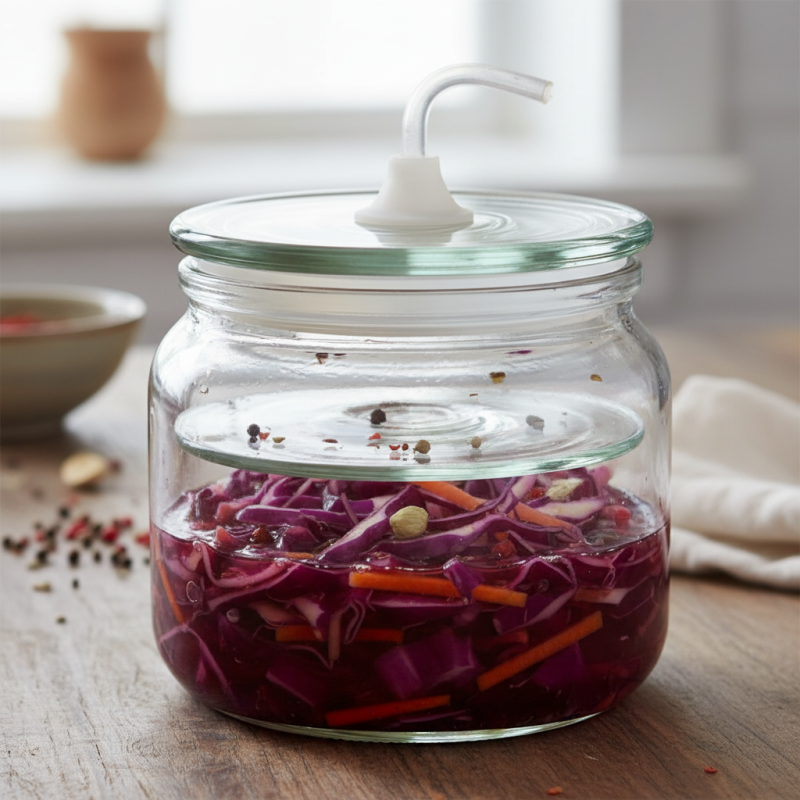
Understanding the Basics of Fermentation with a Floating Lid
Fermentation is an age-old technique used to conserve food and enhance flavors. With a floating lid, you can control the fermentation process effectively. This lid design allows gases to escape while preventing contaminants from entering. It creates a microenvironment, optimizing the growth of beneficial bacteria.
When using a floating lid, the balance of oxygen is crucial. Too much can lead to unwanted aerobic bacteria, while too little can starve your ferment. Check the fermentation regularly. Look for signs of bubbling and odor shifts. These indicators show the fermentation is active. Yet, it's easy to overlook subtle changes, leading to potential issues.
Be cautious of the temperature. Fermentation thrives in warm conditions but can be tricky. If it's too hot, you risk over-fermentation or spoilage. Experimenting with different foods can yield unique flavors, but not every attempt will succeed. Embrace these failures as part of the learning process. Adjust your methods based on these experiences to refine your technique over time.
Choosing the Right Ingredients for Fermentation Success
Choosing the right ingredients is crucial for fermentation success. High-quality, organic vegetables often yield better results. Fresh produce has more natural sugars, which aids the fermentation process. Don't overlook salt. It plays an essential role in flavor and preservation. Use non-iodized salt for optimal outcomes.
Consider spices, herbs, and even fruits. They can enhance the flavor profile of your fermented foods. Experimenting with different combinations can lead to surprising tastes. However, not all ingredients are compatible. Some herbs might overpower the natural flavors.
Quality isn't the only factor. Local variations in climate and soil can impact your ingredients. For example, a specific vegetable may ferment well in one environment but struggle in another. Always taste as you go. This will allow for adjustments and improve your final product. Keep detailed notes on your process to refine your technique. Find what works best for your fermentation needs.
Steps to Implement Floating Lid Fermentation Technique
Floating lid fermentation can enhance the flavor and quality of many food products. Implementing this technique requires careful attention to detail. Keeping a controlled environment is crucial. Temperature should remain consistent, ideally around 20-25°C. Fluctuations may lead to undesirable fermentation results.
During this process, observe specific indicators of fermentation. For instance, the presence of bubbles often signifies active yeast. Additionally, pH levels should be monitored. Data from a recent industry report indicates that pH levels between 4.0 and 4.5 produce optimal flavor profiles in fermented goods. A floating lid allows gas to escape while preventing contamination, making it an essential tool.
Reflection is important in this technique. If fermentation appears stagnant, consider adjusting the yeast levels or revisiting your temperature. Past experiences show that a lack of attention to these elements may lead to spoiled batches. Monitoring fermentation regularly helps in making timely decisions, ensuring the desired results are achieved.
How to Use Fermentation with Floating Lid for Best Results? - Steps to Implement Floating Lid Fermentation Technique
| Step | Description | Time Required | Temperature Range |
| 1 | Select your fermentation vessel and prepare it. | 15 minutes | N/A |
| 2 | Add your ingredients for fermentation. | 30 minutes | 20°C - 25°C |
| 3 | Attach the floating lid securely to the vessel. | 10 minutes | N/A |
| 4 | Monitor the fermentation process regularly. | Ongoing | 20°C - 30°C |
| 5 | Harvest your fermented product once ready. | 1 hour | N/A |
Monitoring Fermentation Process: Tips and Best Practices
Monitoring the fermentation process is vital for achieving desired results. This can be done effectively using a floating lid, which minimizes exposure to oxygen and helps maintain an anaerobic environment. Data indicates that controlled fermentation leads to 60% better flavor profiles in certain beverages. Keeping track of temperature and pH levels is crucial. Fluctuations in these factors can inhibit the fermentation process and lead to undesirable flavors.
One common challenge is over or under-fermentation. Both can degrade product quality. Monitoring the yeast activity visually, such as observing bubbling, can provide useful insights. Regular sampling helps assess the development and identify issues early. A study shows that adjusting sugar levels mid-fermentation can lead to an optimal end product. However, this requires careful consideration and adjustment.
Experience is essential in fermentation. Consistency comes with practice. Not all batches will turn out well, and reflections on failed attempts can lead to improved techniques. Fine-tuning the floating lid’s position may reduce the risk of contamination during the process. Balancing environment, ingredients, and timing is an art that develops over time. Embrace the learning journey that fermentation offers.
Troubleshooting Common Issues in Floating Lid Fermentation
Floating lid fermentation can present unique challenges. One common issue is lid floating due to excessive pressure buildup. Data shows that around 30% of homebrewers experienced this problem. It typically occurs during high-activity fermentation. The pressure can force the lid to dislodge. This disrupts the fermentation process and can lead to contamination.
Another frequent concern is inadequate fermentation. This can result from low temperatures or insufficient yeast activity. Research indicates that approximately 25% of fermentation mishaps stem from temperature issues. Maintaining a stable temperature is crucial for optimal yeast performance. Use a thermometer to monitor conditions regularly, and avoid extreme fluctuations.
Lastly, do not overlook the importance of sanitation. Inadequate sanitation can introduce unwanted bacteria, leading to off-flavors in the final product. Studies suggest that about 40% of homebrewers face off-flavors due to poor sanitation practices. Always sanitize equipment thoroughly before use. Address these challenges, and you can enhance your fermentation outcomes significantly.