What Are the Best Sardines from China?

What makes the best sardines from China? The answer is not simply a bright label or a low price. It begins with species identification, clean waters, careful handling, and transparent processing. Fresh sardines should smell like the sea, not harsh ammonia. Their skin should look silver, firm, and unbroken. In a can, the flesh should remain tender while holding its shape.

Dr. Steve Otwell, a seafood safety specialist at the University of Florida, emphasizes, “Quality begins with controlling time and temperature.” That principle matters throughout the journey, from fishing boats near Zhejiang or Fujian to the factory, warehouse, and kitchen. Reliable producers record catch areas, harvest dates, canning temperatures, and testing results. They also explain the oil, sauce, salt level, and fish species clearly.

Still, choosing the best sardines is not perfectly simple. “Made in China” describes processing, not always the fish’s original waters. Labels can also feel technical and difficult to compare. I once judged quality by appearance alone; that was too narrow. Texture, flavor, sodium, packaging condition, and traceability deserve equal attention. A dented can, leaking seam, or vague ingredient list should invite caution.

This guide examines Chinese sardines through practical evidence rather than patriotic assumptions or marketing claims. It considers taste, nutrition, safety controls, sustainability information, and everyday value. Some excellent products may look modest. Others may photograph beautifully but disappoint at the table. The goal is a dependable choice, not a perfect one.
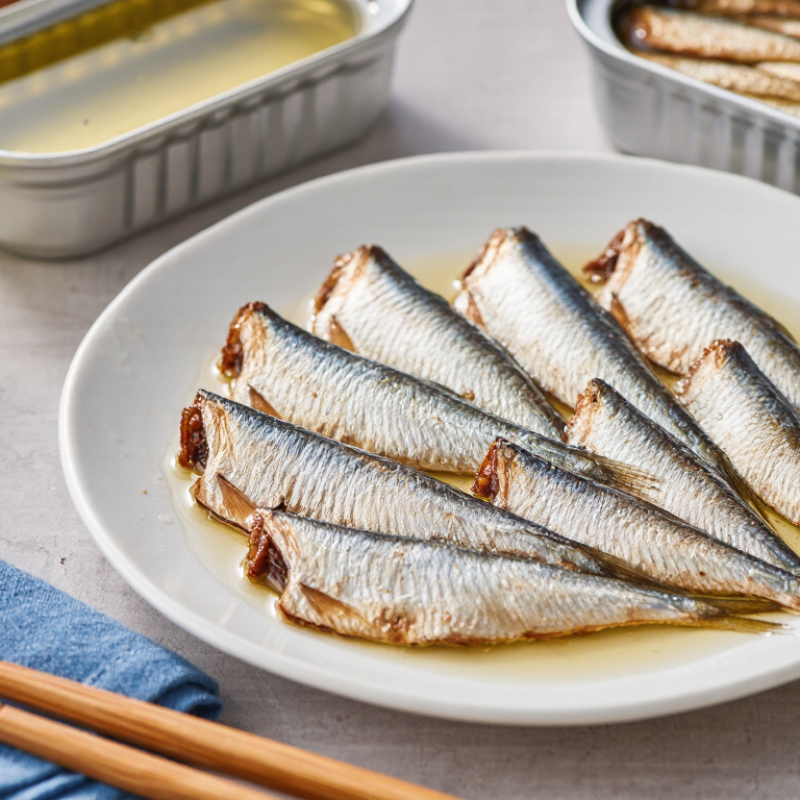
What Are the Best Sardines from China?

Chinese Sardines: Species, Habitat, and Seasonal Availability

What Are the Best Sardines from China?

Chinese sardines are not one uniform species. Commonly traded fish include the Chinese sardinella (Sardinella zunasi) and Japanese pilchard (Sardinops melanostictus). Chinese sardinella usually inhabits coastal waters from the Bohai Sea to the East China Sea. It prefers productive, shallow areas with seasonal plankton blooms. Japanese pilchard ranges farther offshore and often forms dense schools near the Yellow Sea and northern East China Sea. These habitats influence oil content, texture, and average size.

Season matters considerably. Chinese sardinella landings often increase during warmer months, when feeding activity strengthens. Japanese pilchard availability can rise from late spring through autumn, although currents and water temperature shift the timing each year. The China Fishery Statistical Yearbook reports China’s marine capture production at roughly 13 million tonnes in 2022, but sardine figures are not always separated consistently. That limitation deserves attention. FAO’s State of World Fisheries and Aquaculture 2024 recorded 185.4 million tonnes of global aquatic-animal production in 2022, showing the scale of the wider supply chain. For buyers, recent landing dates, catch area, and species identification matter more than a generic “Chinese sardine” label. In practice, smaller summer fish may taste cleaner, while autumn catches can offer firmer flesh and more fat. Not always. Local conditions can reverse that pattern.

How Sardines from China Are Caught, Handled, and Processed

What Are the Best Sardines from China?

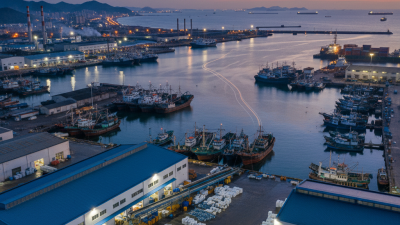
The best sardines from China begin with careful harvesting, not attractive packaging. Fishing vessels commonly use purse seines in productive coastal waters. Crews monitor fish size and avoid unnecessary pressure on the catch. Fresh sardines should reach chilled storage quickly. Delays can soften flesh and weaken flavor.

On board, crews wash the fish with clean seawater or approved chilled water. Ice then lowers the temperature and slows bacterial growth. At the processing plant, workers inspect appearance, odor, firmness, and foreign material. They remove heads, guts, and damaged pieces according to the product specification. Some sardines remain whole, while others become fillets or canned portions.

Cold-chain control matters throughout transport. Temperature records should support each major handover. Processors also test for histamine, heavy metals, and microbiological safety. Traceability documents can identify the fishing area, landing date, lot, and processing shift. These details make quality claims more credible.

The process is not flawless. Handling mistakes can still happen during busy unloading periods. A reliable supplier should explain corrective actions, not hide weak results. In my view, the strongest sardines have clean skin, firm flesh, a mild ocean smell, and consistent sizing. “Best” remains a practical judgment. It depends on freshness, processing style, intended recipe, and verified safety records.

What Are the Best Sardines from China?

Nutritional benchmark for canned sardines, measured per 100 g of drained product. Protein, fat, and long-chain omega-3 values help describe the nutritional quality of processed sardines, while freshness, careful handling, and controlled processing also affect the final product.

Reference values: USDA FoodData Central, Atlantic sardines, canned in oil, drained solids with bone. Values are approximate and may vary by species, catch season, preparation method, and processing conditions.

Key Quality Factors in Chinese Sardine Products

What Are the Best Sardines from China?

Key Quality Factors in Chinese Sardine Products

The best Chinese sardines are not chosen by appearance alone. Quality begins with species identification, catch area, and harvest timing. Sardines should be processed soon after landing to preserve firm texture and a clean ocean aroma. Reliable producers record the vessel, landing port, processing date, and lot number. These details support traceability and make quality checks more meaningful.

Examine the can carefully. It should have no bulging, deep rust, leaking seams, or unusual dents near the lid. Inside, the fish should hold its shape without excessive mushiness. The flesh may range from silver-gray to soft pink, depending on the species and cooking method. Ingredients should be simple and clearly listed. Laboratory testing for heavy metals, microbial safety, and oxidation can provide stronger evidence than attractive packaging. Still, paperwork is not everything. Some cans disappoint despite impressive certificates. Sensory checks and regular audits matter too.

Tips: Compare production dates, not just expiration dates. Choose intact cans from controlled storage. After opening, smell the fish before tasting. A sour, metallic, or strongly rancid odor is a warning. Check the oil or sauce for cloudiness, excessive separation, or foreign particles. When information is incomplete, pause before buying.

Comparing Canned, Frozen, and Fresh Chinese Sardines

What Are the Best Sardines from China?

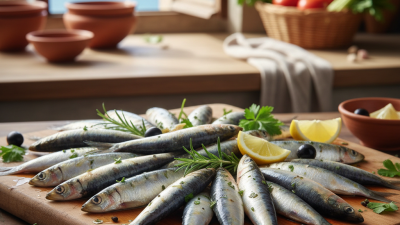
When comparing Chinese sardines, preservation often matters more than the fishing location alone. Fresh sardines should have clear eyes, firm flesh, and a clean ocean scent. Their skin should shine, not look dry or cloudy. When cooked the same day, fresh fish offers delicate sweetness and a soft, juicy texture. That advantage disappears quickly without excellent ice storage. Sardines spoil fast. This is the main weakness.

Frozen Chinese sardines can be an excellent middle choice. Proper freezing preserves much of the fish’s flavor and nutrients, especially when the fish is frozen soon after landing. Look for solid packaging, minimal frost, and no large ice crystals. After thawing, the flesh should remain firm rather than watery. I once judged frozen fish too harshly because I thawed it at room temperature. That was a poor test. Slow refrigerator thawing gives a fairer result.

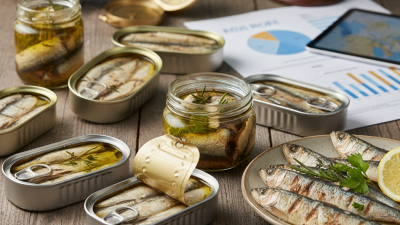
Canned sardines are the most practical option. Heat processing softens the small bones and creates a rich, savory flavor. Check the ingredient list, production date, can condition, and storage guidance. Water-packed fish tastes lighter, while oil-packed fish feels fuller and more tender. Salt levels can vary sharply. Canned sardines may lose the brightness of fresh fish, but they deliver reliable texture and easy storage. For everyday meals, that consistency can matter more than a perfect first bite.

How to Choose the Best Sardines from China for Your Needs

Choosing the best sardines from China starts with verifying what “from China” actually means. The fish may be caught elsewhere and processed in China. Check the species, catch area, processing location, and production date on the label. Clear information suggests better traceability.

Look for intact cans with no swelling, deep dents, leaking seams, or heavy rust. The ingredient list should remain simple: sardines, oil or water, salt, and seasonings. Choose olive oil for a richer texture, or water for a lighter taste. Low-sodium options help when sardines will be added to salads, rice, or noodles. Short ingredients matter.

Texture tells you plenty. The flesh should hold together but separate easily with a fork. A strong sour smell, mushiness, or metallic aftertaste deserves caution. Independent laboratory testing for contaminants, hygiene systems, and lot-based traceability add useful evidence. However, certificates alone do not guarantee excellent flavor. They need checking.

A common mistake is trusting bright packaging too quickly. I have learned that appearance can hide missing details. Compare net weight, drained weight, protein, and salt instead. Smaller sardines may taste softer, while larger fish can offer firmer pieces and stronger flavor. Storage also matters; heat can damage quality before opening. After opening, refrigerate leftovers in a clean covered container and use them promptly.

What Are the Best Sardines from China? - How to Choose the Best Sardines from China for Your Needs

Use this comparison guide to evaluate Chinese sardines by species, processing method, nutrition, packaging, and intended use. Values may vary by product, season, and recipe, so always check the product label.

Selection Dimension Common Data or Options What to Look For Best Use
Fish species Chinese sardinella (Sardinella zunasi), round sardinella (Sardinella aurita), or other sardine-family species Confirm the scientific name on the label when species identity matters. Different species can vary in size, texture, and oil content. Choose smaller, tender fish for snacks and salads; larger fish are generally more suitable for grilling or meal portions.
Product form Whole, headed and gutted, filleted, or boneless Whole sardines usually retain more of the traditional appearance, while fillets and boneless portions are easier to serve. Use fillets for sandwiches and pasta; use whole fish for traditional dishes and visual presentation.
Packing medium Water or brine; soybean, sunflower, rapeseed, or olive oil Choose water or brine for a lighter product. Oil-packed sardines are typically richer and softer in flavor. Water-packed fish suit calorie-conscious meals; oil-packed fish work well in salads, toast, and pasta.
Sodium level Often approximately 200–600 mg per serving, depending on brine and seasoning Compare sodium per serving rather than relying only on terms such as “lightly salted.” Select the lower-sodium option for everyday meals or when limiting salt intake.
Protein content Commonly about 20–25 g per 100 g of drained fish Check the nutrition panel because recipes, drained weight, and moisture content affect the final value. A practical choice for high-protein sandwiches, salads, rice dishes, and quick lunches.
Omega-3 fats Sardines naturally provide EPA and DHA; the amount varies by species and season Look for a nutrition declaration that lists EPA, DHA, or total omega-3 instead of assuming every product has the same amount. Choose products with declared omega-3 values when nutritional consistency is important.
Calcium potential Higher when edible bones are retained and softened during canning Look for whole or bone-in sardines and verify calcium on the nutrition panel. Bone-in products are useful for meals where calcium content is a priority.
Can size and drained weight Typical retail cans may contain about 100–125 g net fish product, with a lower drained weight Compare drained weight when calculating servings, cost, and recipe quantities. Smaller cans suit one serving; larger formats are more efficient for family meals.
Processing method Retort-canned, frozen, or chilled Canned sardines are shelf-stable when unopened; frozen and chilled products require a reliable cold chain. Choose canned products for convenience and pantry storage; choose frozen or chilled fish for fresh-style cooking.
Ingredient list Fish, water or oil, salt, and optional tomato, chili, spices, or preservatives A short ingredient list makes the flavor and allergen profile easier to understand. Select plain sardines for flexible recipes and seasoned varieties for ready-to-eat meals.
Can condition Intact can, firm seams, no swelling, leakage, or deep rust Avoid cans that are bulging, leaking, severely dented near the seams, or heavily corroded. Important for food safety, especially when buying in bulk or importing products.
Traceability and compliance Catch area, production date, lot code, facility details, and export documentation Prefer clearly labeled products with batch information and documentation required by the destination market. Essential for importers, retailers, food-service buyers, and consumers who need reliable origin information.

Note: Nutrition values and species availability can change by season, fishing area, recipe, and processing method. Use the package label and applicable food-safety regulations as the final reference.