2026 Best Tinned Fish for Global Buyers?

In 2026, “best tinned fish” will mean more than attractive labels or viral recipes. Global buyers must examine species, fishing methods, country of origin, oil quality, salt levels, packaging, and traceability. A bright sardine tin may look simple. Its supply chain is not.

The FAO State of World Fisheries and Aquaculture 2024 reported 185 million tonnes of aquatic animals produced in 2022. Around 89% entered human food supplies, while global consumption reached 20.7 kilograms per person. These figures show why shelf-stable seafood matters for retailers, households, and emergency food planning. Grand View Research estimates that the global canned seafood market was worth approximately US$31.6 billion in 2023, with continued growth expected through 2030. Market estimates vary, however. Definitions and regional coverage are not always consistent.

Seafood educator Barton Seaver has said, “Seafood is not a luxury; it is a necessity.” His principle gives this category a practical direction. The best tinned fish should offer dependable nutrition, responsible sourcing, and a pleasant eating experience. Buyers should compare mercury guidance, fishing certifications, allergen statements, and language accuracy. MSC or other credible certification can help, but certification alone does not answer every question. This is where evaluation becomes imperfect. Small producers may lack expensive certifications, while large brands may provide polished documentation without exceptional flavor. Our 2026 guide therefore considers evidence, taste, value, and regional compliance together. The ideal tin is not merely convenient. It is transparent from ocean to pantry.

Sources: FAO, The State of World Fisheries and Aquaculture 2024; Grand View Research, Canned Seafood Market Size Report.
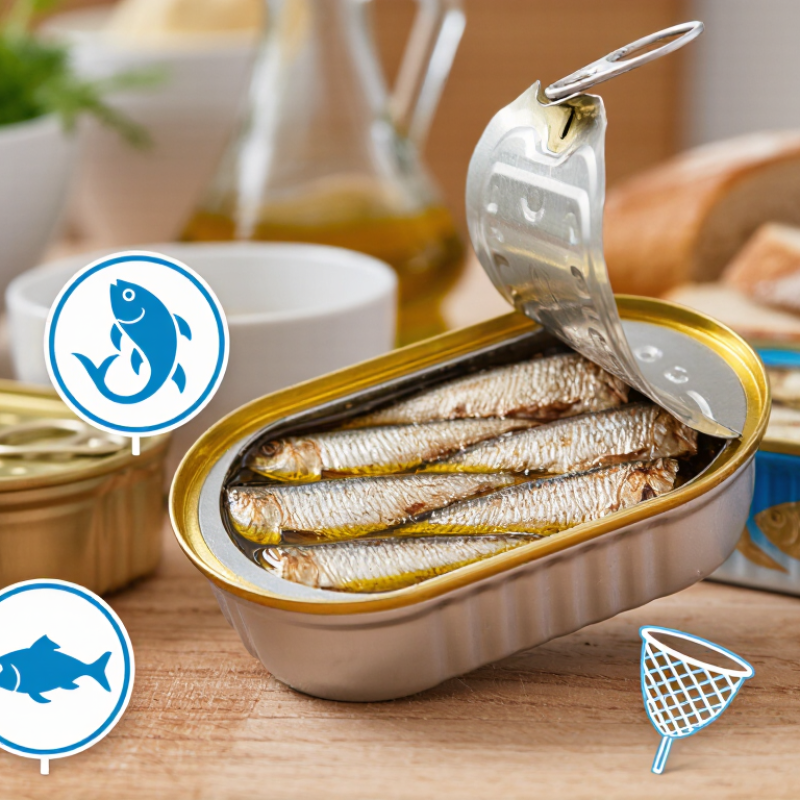
2026 Best Tinned Fish for Global Buyers?

What Tinned Fish Is and Why Global Buyers Choose It

Tinned fish is seafood sealed in a metal can and heat-processed for safe, long-term storage. Common contents include tuna, sardines, mackerel, anchovies, and salmon. The can may contain oil, water, or sauce. Unlike fresh seafood, it needs no chilled supply chain before opening. That matters when global buyers manage long routes, port delays, and uneven refrigeration. The FAO’s State of World Fisheries and Aquaculture 2024 reported 185 million tonnes of aquatic animals produced in 2022. About 89% went to direct human consumption. The OECD-FAO Agricultural Outlook 2024–2033 projects global fish production could approach 205 million tonnes by 2033.

Convenience is only part of the appeal. Tinned fish offers portion control, stable inventory, and simple preparation for households, retailers, and food-service operators. Buyers also inspect protein content, drained weight, salt levels, oil quality, can integrity, and traceability documents. A damaged seam is a serious warning. Sustainability claims need careful checking, too. Species selection, fishing method, stock condition, and production location can change the environmental profile. Labels are useful, but they are not perfect. That is worth remembering.

Tips: Compare drained weight, not only net weight. Request laboratory results for histamine, contaminants, and microbiological safety. Review the FAO data, then check local import rules. A low price can hide weaker traceability, inconsistent sizing, or higher transport risk. Ask for production dates and lot information before purchase.

Key Types of Tinned Fish in the 2026 Market

In the 2026 tinned-fish market, buyers should compare species, formats, and supply risks, not only price. FAO’s The State of World Fisheries and Aquaculture 2024 reported 185.4 million tonnes of aquatic animal production in 2022. It also recorded global apparent consumption at 20.7 kilograms per person. These figures support continued demand for convenient seafood, especially shelf-stable products.

Tuna remains important for foodservice and retail because its firm flakes suit salads, sandwiches, and ready meals. Sardines offer smaller portions, edible bones, and strong omega-3 positioning. Mackerel has a richer flavor and higher oil content, but buyers should check oxidation control carefully. Salmon serves premium channels, while anchovies and sprats work well in sauces, pizzas, and snack packs. UN Comtrade data for HS 1604 shows continued international trade in prepared and preserved fish products, although this category includes more than cans alone. That distinction matters.

A practical purchasing review should examine drained weight, species name, catch area, processing method, can coating, and lot traceability. It should also request histamine controls for susceptible species, particularly tuna and mackerel. Small cans matter. They reduce waste but can increase packaging costs per kilogram. The FAO Globefish market updates repeatedly highlight freight, input costs, and changing seafood supply as commercial pressures. Forecasts are not promises. Some reports also group pouches and cans together, making direct comparisons imperfect.

How to Evaluate Quality, Safety, and Sustainability

2026 Best Tinned Fish for Global Buyers?

Quality begins before opening the can. Check the species, catch area, production date, and lot code. A clean, tight can matters. Reject cans with swelling, deep rust, leaks, or damaged seams.

The U.S. FDA Fish and Fishery Products Hazards and Controls Guidance identifies histamine as a serious risk in poorly chilled fish. Canning does not reliably remove it. That detail is easy to miss.

Sustainability needs stronger evidence than a green symbol. The FAO State of World Fisheries and Aquaculture 2024 reported 185.4 million tonnes of aquatic animals produced in 2022. It also found only 62.3% of assessed marine stocks were biologically sustainable in 2021.

Ask for the scientific name, fishing method, and traceability information. Independent certification can help, but it is not a complete answer. Supply chains can still be difficult to verify.

Salt, oil, and sauce change the nutritional picture. Compare sodium per 100 grams, not only per serving. The Codex General Standard for Contaminants and Toxins in Food and Feed provides international reference limits for several contaminants, while national rules may differ.

For larger predatory fish, mercury advice deserves attention. My own practical test is simple: inspect the can, smell the fish, and question vague sourcing claims.

Yet even careful buyers can miss problems. Labels are useful, not magic.

Regional Preferences and International Buying Considerations

The best tinned fish for global buyers depends on regional taste, eating habits, and import conditions. Mediterranean customers often prefer sardines or mackerel in olive oil, with herbs and firm texture. East Asian markets may favor clean-tasting fish, lighter seasoning, or products suited to rice and noodles. In North America, convenience matters, including pull-tabs, single portions, and bold flavors. These patterns are useful, but never absolute.

International buyers should inspect drained weight, ingredient labels, allergen statements, can integrity, and remaining shelf life. Oil-packed products can feel richer, while brine-packed fish may suit health-focused shoppers. In warmer markets, reliable packaging and stable storage guidance matter greatly. I have seen purchasing decisions change after buyers tested the same product with local recipes. That small step prevents expensive assumptions. No ranking fits every market perfectly.

Tips: Request samples from different production batches. Check texture after opening, not only appearance. Confirm country-of-origin documents and laboratory testing where required. Review language requirements before printing labels. Compare freight costs, tariff classifications, minimum order quantities, and retail pack sizes. A small trial shipment is often wiser than a large first order. Some buyers overlook easy-open lids or strong odors, and that mistake can weaken repeat sales.

2026 Best Tinned Fish for Global Buyers? - Regional Preferences and International Buying Considerations

Product Category Typical Species Common Regional Preferences Typical Pack Formats Nutrition Profile Main Buying Advantages Key International Buying Considerations Best-Fit Buyer Segment
Sardines Sardine, pilchard, sardinella and sprat Strong demand in Southern Europe, North Africa, Southeast Asia and parts of Latin America; tomato, olive-oil and plain brine styles are widely used. Small flat tins, easy-open cans and multi-packs; common drained weights include approximately 80–120 g. Generally rich in protein, vitamin B12 and long-chain omega-3 fatty acids; edible bones can contribute calcium. Affordable, shelf-stable and suitable for mass retail, foodservice and emergency-food channels. Verify species identification, fishing area, lot traceability, oil or sauce declaration, can integrity and applicable mercury and food-safety rules. Value retailers, distributors, humanitarian procurement and health-oriented consumers.
Mackerel Atlantic mackerel, chub mackerel and related mackerel species Popular in Japan, South Korea, Northern Europe, the Mediterranean and several West African markets; spicy, tomato and salted preparations are common. Round cans, easy-open cans and larger foodservice tins; approximately 100–425 g formats are common. High-protein oily fish with substantial omega-3 content; nutritional values vary by species and preparation. Distinctive flavor, good culinary versatility and generally competitive pricing compared with premium salmon products. Check the exact species because mercury guidance differs among mackerel types; review histamine controls, temperature management before processing and labeling language. Ethnic grocery, foodservice, traditional cuisine and omega-3-focused retail categories.
Tuna and Skipjack Skipjack, albacore, yellowfin and other tuna species Broad global demand, especially in Europe, North America, the Middle East and Asia; water-packed, oil-packed and ready-to-eat salad formats are common. Small single-serve cans, pouches, multi-packs and large foodservice tins; common retail sizes range from approximately 80–185 g net weight. Lean protein source; omega-3 levels and mercury exposure vary substantially by species, size and serving frequency. High consumer familiarity, strong foodservice demand and convenient use in sandwiches, salads and prepared meals. Confirm species, catch method, fishing area, bycatch policy, chain-of-custody documentation, mercury compliance and import labeling requirements. Mainstream supermarkets, catering, meal manufacturers and convenience-food channels.
Anchovies European anchovy and other small anchovy species Especially established in Mediterranean Europe, South America and parts of Southeast Asia; fillets, paste and salt-cured products serve different culinary uses. Small glass jars, flat tins, tubes and foodservice containers; usually sold in low net-weight packs. Concentrated source of protein and flavor; often high in sodium because many products are salted or cured. High flavor value, low serving volume and strong demand from pizza, pasta, sauces and restaurant kitchens. Check salt level, oil type, curing method, allergen declaration, pack leakage protection and shelf-life stability after opening. Specialty food retailers, restaurants, pizza manufacturers and gourmet distributors.
Salmon Atlantic salmon, Pacific salmon and pink salmon Strong preference in North America, Northern Europe, Japan, South Korea and premium urban markets worldwide; plain, smoked-style and seasoned formats are common. Small cans, pull-tab tins, pouches and larger foodservice packs; approximately 100–213 g retail formats are common. High-quality protein and omega-3 fatty acids; may provide vitamin D and vitamin B12 depending on species and processing. Premium positioning, mild flavor and suitability for salads, spreads, pasta and ready meals. Distinguish farmed and wild origin, verify species and country of production, review sustainability documentation and protect against dented or rusted tins. Premium retail, health-conscious consumers, gourmet channels and higher-margin foodservice.
Herring Atlantic herring and Pacific herring Particularly familiar in Northern and Eastern Europe, the Baltic region and parts of North America; pickled, smoked-style and tomato preparations are used. Glass jars, tins and refrigerated-style preserved packs; pack sizes vary significantly by market. Oily fish with protein, vitamin B12 and omega-3 fatty acids; sodium can be elevated in salted or pickled recipes. Strong regional recognition, distinctive traditional recipes and good fit for seasonal promotions. Confirm preservation method, acidity or salt controls where applicable, packaging compatibility and cold-chain requirements for non-ambient products. Regional wholesalers, traditional-food retailers and specialty importers.
Mussels and Other Bivalves Mussels, clams and cockles Commonly purchased in Spain, Portugal, France, Italy, Chile and selected Asian markets; escabeche, brine, natural juice and garlic sauces are frequent styles. Small tins, ring-pull cans, jars and foodservice containers; net weights commonly range from approximately 100–120 g for retail packs. Provides protein, vitamin B12 and minerals such as iron; nutritional content depends on species, sauce and serving size. Premium appearance, strong compatibility with tapas and seafood dishes, and differentiated flavor profiles. Require robust controls for biotoxins, microbiological safety, harvesting area, depuration where applicable, allergen labeling and shellfish import rules. Gourmet retail, tapas restaurants, seafood specialists and premium gift-food channels.
Smoked and Seasoned Fish Mackerel, herring, salmon, sprat and sardine Most popular where smoked, spiced or marinated seafood is part of established food culture; demand is growing in premium convenience and ready-meal categories. Easy-open tins, trays, jars and pouches; retail portions are typically designed for one or two servings. Protein-rich, but sodium and sugar may be higher than in plain fish packed in water or natural juice. Higher perceived value, strong flavor and convenient use without additional cooking. Check ingredient order, allergen statements, smoke-flavor declarations, sodium limits, additive compliance and language requirements in the destination market. Premium convenience, specialty retail, online grocery and ready-to-eat meal distributors.
International buyer checklist: Confirm the importing country's tariff classification, food-business registration requirements, official health certificates, country-of-origin rules, local-language labeling, allergen declarations, net and drained weight, best-before date, lot traceability, packaging-recycling marks, sustainability documentation and destination-specific maximum limits for contaminants.
Interpretation: Sardines and mackerel usually provide the strongest value-to-nutrition balance, tuna offers the broadest mainstream demand, salmon supports premium positioning, anchovies deliver high culinary value in small packs, and bivalves are best suited to specialty and gourmet channels. Actual suitability depends on species, origin, formulation, certification, import rules and target-market pricing.

Best Tinned Fish Categories for Different Buyer Needs

2026 Best Tinned Fish for Global Buyers?

Best Tinned Fish Categories for Different Buyer Needs

Different buyers need different tinned fish formats, not just the lowest price. For everyday retail, sardines and mackerel offer strong value, useful protein, and recognizable flavors. Their small cans suit lunch boxes and limited kitchen space. Choose oil-packed fish for richer texture. Water-packed options feel lighter and may suit calorie-conscious shoppers.

Premium foodservice buyers often prefer tuna loins, anchovy fillets, or carefully packed shellfish. These products need clean cuts, consistent sizing, and dependable drainage. Check the species name, catch area, packing date, lot code, and net weight before ordering. A bright label is not proof of quality. The fish should look intact, smell clean, and show no unusual rust or swelling.

Health-focused buyers may seek low-sodium recipes, simple ingredients, or fish with useful omega-3 content. However, nutrition claims require careful label and laboratory review. Mercury guidance also differs by species and market, so importers should consult current official requirements. Sustainable sourcing matters too. Ask for traceability documents and recognized certification where available.

Documentation can be incomplete. That is a real purchasing risk. Regional buyers may also need multilingual labels, allergen declarations, and packaging suited to humid warehouses. Test a small shipment first, because even a good product can fail when taste, can size, or shelf presentation differs from local expectations.