How to Buy Tinned Fish Online 7 Tips?
Buying tinned fish online can feel simple until dozens of tins, brands, origins, and delivery promises appear on one screen. A polished product photo does not reveal everything. The fish may be packed in olive oil, spring water, tomato sauce, or a strongly seasoned marinade. Each option suits a different meal, budget, and storage plan.
This guide explains how to buy tinned fish online with greater confidence. It focuses on practical checks that experienced shoppers use before placing an order. You will learn how to read species names, packing methods, net weight, ingredients, nutrition panels, and best-before dates. Supplier reputation matters too. Reliable sellers provide clear product details, secure packaging, and responsive customer service when tins arrive dented or leaking.
Small details matter. Check the country of origin. Compare drained weight, not only the total tin weight. Look for intact cans and realistic delivery conditions, especially during hot weather. Some premium products cost more because of careful sourcing, hand-packing, or limited catches. Others simply have attractive labels. That distinction is easy to miss.
I have made that mistake myself. A large multipack once looked economical, but the flavor did not suit my family. This is why buying smaller quantities can be wiser when testing unfamiliar sardines, mackerel, anchovies, or tuna. Taste preferences differ, and online descriptions cannot fully replace opening the tin. The following seven tips will help you assess value, quality, safety, and suitability before clicking “buy.”
Define Your Tinned Fish Preferences and Shopping Goals
How to Buy Tinned Fish Online: 7 Tips
Define Your Tinned Fish Preferences and Shopping Goals
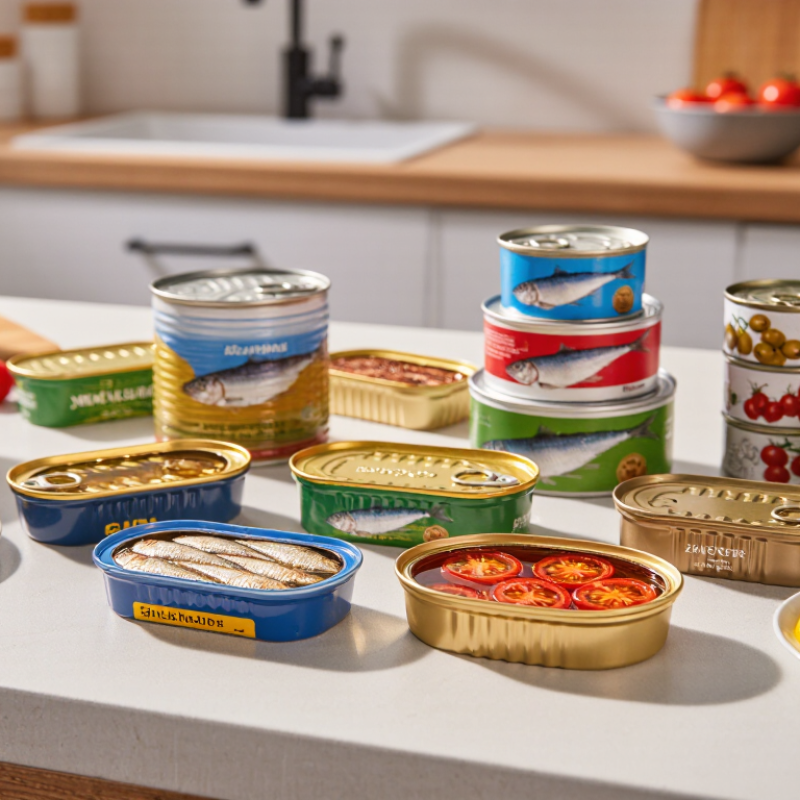
Before opening an online store, decide what you actually want from tinned fish. Do you need quick lunches, emergency pantry food, or ingredients for salads? Choose the species, texture, packing liquid, can size, and preferred salt level. Oil gives a richer mouthfeel, while water suits lighter meals. Check the net weight, drained weight, catch area, and best-before date. A small can may look inexpensive, but its price per 100 grams can be higher.
Professional data can sharpen this choice. FAO’s State of World Fisheries and Aquaculture 2024 reported 185 million tonnes of global aquatic-animal production in 2022. Grand View Research estimated the global canned seafood market at about USD 29.6 billion in 2023. These figures show broad demand, but they do not guarantee quality in every listing. Read the full nutrition panel. Sodium can vary sharply between similar products. That detail is easy to miss.
Set a realistic shopping goal before comparing delivery fees. A six-can bundle may reduce unit cost, yet it can create unwanted variety or storage pressure. Look for clear photographs, sealed packaging, seller contact details, and return policies. Avoid cans with swelling, deep rust, or damaged seams. I sometimes overvalue attractive descriptions and ignore serving size. That is a mistake. A simple spreadsheet can compare price, drained weight, protein, sodium, and delivery cost. Your preferences may change after tasting, so record what worked instead of trusting memory.
Choose Reliable Online Stores and Check Product Authenticity
How to Buy Tinned Fish Online: 7 Tips
Choose an online store that displays a real business address, contact details, and clear return policies. Read recent customer reviews, not only the highest ratings. Look for sharp product photos showing the label, nutrition panel, lot code, and expiry date. A vague listing deserves caution. Check whether the seller explains storage conditions and delivery methods, especially during warm weather.
Compare the product description with the images before paying. The fish type, net weight, origin, ingredients, and packaging should match. Inspect the tin when it arrives. Avoid cans with swollen ends, deep dents near the seam, leaking liquid, or heavy rust. The seal matters. Ask customer service about unclear codes or missing labels. Reliable sellers should answer with specific information, not copied phrases.
Price can offer another clue, but it proves nothing. An unusually cheap listing may involve old stock, damaged packaging, or incomplete information. Verify secure payment options and keep your order receipt. Do not rely on reviews alone; some may be brief, outdated, or poorly verified. Even careful shoppers can miss a small detail, such as a short best-before date hidden in a photograph. Taking a screenshot before checkout helps. A few extra minutes can prevent disappointment.
How to Buy Tinned Fish Online: 7 Tips for Choosing Reliable Online Stores and Checking Product Authenticity
| Tip | What to Check Online | Practical Evidence | Useful Benchmark or Requirement | Why It Matters |
|---|---|---|---|---|
| 1. Verify the seller | Review the store’s legal business details, contact information, customer-service channels, and return or refund policy. | A physical business address, working email address, clear delivery terms, and a policy that explains damaged or incorrect orders. | The seller should provide more than a contact form or social-media account and should state delivery charges before payment. | Transparent business information makes it easier to resolve delivery, payment, or product-authenticity problems. |
| 2. Check the product listing | Look for the product name, fish species, net weight, drained weight when applicable, ingredients, allergen information, country of origin, and storage instructions. | The listing information should match the photographs and should not rely only on vague descriptions such as “premium seafood.” | Essential information should be visible before checkout or available in a readable product-label image. | Complete labeling helps shoppers compare products and identify substitutions or misleading descriptions. |
| 3. Confirm can and label authenticity | Inspect high-resolution images of the label, can seams, pull-tab or lid, printed lot code, date marking, and barcode where available. | Text is consistently printed, spelling is correct, the label is properly aligned, and the code appears printed or embossed rather than added with a removable sticker. | Packaging should not show bulging, leaking, deep rust, sharp dents on seams, broken seals, or unexplained relabeling. | Packaging irregularities can indicate mishandling, tampering, poor storage, or a product that is not as described. |
| 4. Review dates and traceability | Distinguish between a best-before date, use-by date, production date, and lot or batch code according to the format used in the selling country. | Ask the seller to confirm unclear date formats or provide a photograph of the complete code before purchase. | The date and lot information should be readable, consistent with the listing, and not visibly altered. | Traceable dates and batch codes support freshness assessment and make recalls or complaints easier to manage. |
| 5. Assess food-safety information | Check allergen declarations, nutrition facts, ingredients, country-specific import information, and any handling instructions for opened cans. | The listing provides a complete label image or a reliable transcription rather than omitting ingredients and allergen details. | Fish and seafood allergens should be clearly identified where required by local labeling rules. | Accurate safety information is essential for people with allergies, dietary restrictions, or specific nutrition requirements. |
| 6. Compare total cost and delivery | Compare the price per can and, when sizes differ, the price per 100 g of net weight. Include shipping, taxes, and minimum-order charges. | Use the same calculation for each option: total delivered price ÷ total net weight × 100. | Delivery fees and estimated arrival dates should be shown before the final payment step. | A low advertised price may become expensive after shipping or may reflect a smaller net quantity. |
| 7. Inspect the shipment immediately | Check the outer carton, individual cans, seals, labels, quantity, dates, and product condition as soon as the order arrives. | Photograph damaged packaging, missing items, incorrect products, or discrepancies before discarding the shipping materials. | Do not consume cans that are swollen, leaking, severely dented at a seam, heavily rusted, or damaged in a way that compromises the seal. | Early inspection preserves evidence for a refund request and reduces the risk of consuming compromised canned food. |
Quick authenticity rule: If the seller cannot provide clear label information, traceable date or lot details, and a reasonable resolution process for damaged goods, choose another seller.
Compare Ingredients, Species, Sizes, Prices, and Shipping Costs
How to Buy Tinned Fish Online: 7 Tips
When I buy tinned fish online, I compare the full ingredient list, not only the product photo. Fish should appear first, with oil, water, salt, or simple seasonings following. Check sodium carefully. Some tins taste mild but contain surprisingly high salt. Species also matter. Sardines, mackerel, tuna, and anchovies have different textures, flavors, and nutritional profiles. Scientific species names can reduce confusion.
Tip: Compare drained weight, not just net weight. A large tin may contain more oil than fish. I once chose the cheaper option and received less edible fish than expected. That mistake still influences my comparisons. Also check the packing method, such as fillets, chunks, or whole fish. These details affect recipes and value.
Tip: Calculate the price per 100 grams of drained fish. Include delivery charges before judging a bargain. Shipping can cost more than expected when ordering several small tins. Read the dispatch estimate and inspect the packaging policy. Tins should arrive without deep dents, leaks, or swollen ends. I prefer sellers showing clear expiry dates and storage guidance. However, online descriptions can be incomplete. Contact customer service when the species, origin, or ingredients remain unclear. Reliable sellers should answer directly, without vague claims. Compare several listings. A lower price is not always better value.
Review Packaging, Shelf Life, Storage Needs, and Return Policies
How to Buy Tinned Fish Online: 7 Tips
Buying tinned fish online requires more than comparing prices. I inspect product photos for deep dents, swollen ends, leaks, or heavy rust. The U.S. Food and Drug Administration warns against cans with these defects because damaged seals may allow contamination. Packaging should also show a readable lot code, ingredients, net weight, and country of origin. Glass jars need intact lids and no cracked edges.
Tip 1: Check the best-before date before ordering. USDA FoodKeeper guidance places commercially canned seafood at roughly two to five years for best quality when unopened. That is not a promise of perfect taste. Fish stored near heat may deteriorate sooner.
Tip 2: Confirm storage instructions. A cool, dry cupboard is safer than a sunny windowsill. After opening, transfer leftovers to a covered container and refrigerate promptly.
Tip 3: Read the oil, salt, and allergen details. Small print matters.
Tip 4: Study delivery packaging. A crushed parcel can damage otherwise sound cans.
Tip 5: Review the seller’s return policy before payment. Look for clear rules on damaged goods, missing items, and refund timing. Some policies require photographs within 24 or 48 hours. Save the outer box and delivery receipt.
Tip 6: Compare the delivered price, not only the can price.
Tip 7: Contact support when information conflicts. I once trusted a product image too quickly; the delivered pack had a shorter date. That mistake was avoidable.
Place Your Order and Inspect the Fish Upon Delivery
How to Buy Tinned Fish Online: Place Your Order and Inspect the Fish Upon Delivery
Online ordering requires more than comparing prices. Check the species, net weight, country of origin, ingredients, and best-before date. FAO’s The State of World Fisheries and Aquaculture 2024 reported 185 million tonnes of aquatic animals were produced globally in 2022. About 89% reached direct human consumption. This scale makes traceable information important, even for a small parcel.
When the delivery arrives, inspect each tin under bright light. The can should feel firm and remain sealed. Avoid swollen ends, leaking liquid, deep dents, sharp seam damage, or heavy rust. These warnings align with consumer safety guidance from the U.S. Food and Drug Administration. A small surface mark may be harmless, but I would not gamble on a damaged seam. Take photographs before opening questionable packaging. Compare the lot code and date with your order record. If the box arrived warm, wet, or crushed, contact the seller promptly.
Tip: Order fewer tins first. This tests packaging and delivery handling.
Tip: Ask about insulated shipping during hot weather. It may not be necessary everywhere, but temperatures vary.
Tip: Open one tin carefully over a plate. Check the smell, color, texture, and liquid. If anything seems unusual, do not taste it. Keep the tin and contact the seller or local food-safety authority. I have found that delivery inspection is easy to rush, especially when the parcel looks ordinary. That is the mistake worth reconsidering.
Related Posts
-
How to Source Tinned Fish Online in 2026?
-
Why Choose Canned Fish for Global Wholesale?
-
Top Tinned Fish Subscription Boxes for Global Buyers?
-
2026 Top Best Tinned Fish Suppliers for Global Buyers
-
Top 10 Tinned Fish Brands Available Online Today?
-
10 Best Canned Seafood Online Suppliers for Global Buyers