What Are China Top Season Sardines Suppliers?
Choosing China’s top season sardines suppliers requires more than comparing prices. Buyers should examine species, harvest areas, processing capacity, cold-chain control, and export experience. A reliable supplier can explain whether its season sardines are wild-caught, frozen at sea, or processed shortly after landing. These details affect texture, oil content, flavor, and shelf stability.
Fisheries scientist Dr. Ray Hilborn has emphasized, “Good fisheries management requires good data.” This principle also applies to supplier selection. A professional Chinese supplier should provide traceable catch information, product specifications, inspection records, and clear packing details. Factory visits can reveal important realities, including clean floors, calibrated scales, organized freezers, and workers following documented procedures. Certifications may help, but they should not replace direct verification.
Small details matter.
A strong shortlist should include suppliers serving food manufacturers, wholesalers, and retail brands. Their responses should be specific, not merely promotional. Ask about seasonal supply changes, minimum order quantities, glazing rates, canning options, and delivery schedules. Check how they handle damaged cartons and temperature deviations. These practical answers often reveal more than a polished website.
The market is not perfectly transparent. Some product descriptions may oversimplify species or fishing locations. That deserves careful review. Buyers should also compare samples from different production months, because season sardines can vary in fat content and size. The best supplier is not always the cheapest. It is the partner that communicates clearly, documents consistently, and delivers the same quality repeatedly.

What Does “Top Season Sardines” Refer To?
“Top season sardines” usually means sardines caught during their strongest fishing period, when size, oil content, and freshness are most favorable. It is not a universal legal grade or fixed calendar term. The timing changes by species, sea area, water temperature, and fishing rules.
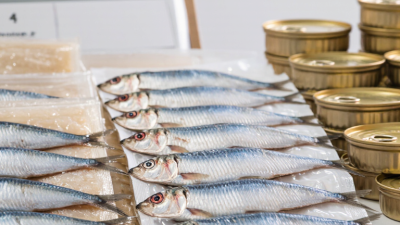
In China’s supply market, buyers should ask for the exact harvest months and fishing location. A peak-season sardine may show firmer flesh, brighter skin, and a clean ocean smell. However, high fat is not always better for every product. Canning may favor richer fish, while freezing requires stable texture and careful temperature control. The FAO’s State of World Fisheries and Aquaculture 2024 reported 185 million tonnes of aquatic animals produced globally in 2022. Its data also show that wild capture remains important, making traceability and responsible sourcing practical concerns. I would not judge “top season” by the label alone. That wording can be vague.
Tips:
Request catch dates, species names, size grades, processing records, and cold-chain temperatures. Compare samples from different months. Check thaw loss, belly condition, and odor. The FAO FishStat database can support broader landing comparisons, but local port records may offer sharper seasonal details. Some data may be incomplete. That deserves honest review.
How Are Top Season Sardines Sourced and Produced in China?
China’s top-season sardines are usually sourced from managed coastal fisheries and approved landing ports. Suppliers monitor fishing areas, catch dates, vessel records, and species identification. Fresh sardines arrive quickly in insulated containers with flake ice. Some are frozen at sea, while others reach processing plants within hours.
At the plant, trained workers inspect size, smell, skin condition, and temperature. The fish are washed with controlled-quality water, headed, gutted, and sorted by weight. They may be packed in cans, pouches, or frozen blocks. Canned sardines are sealed, heat-processed, and checked for container damage. Frozen products pass through rapid freezing before cold storage.
Reliable suppliers keep batch codes from landing to shipment. They also test for heavy metals, microbiological risks, and processing residues under applicable food standards. Independent audits can strengthen confidence, but paperwork still needs careful review. A certificate alone does not prove perfect handling.
Not every shipment is identical. Seasonal weather can affect size, fat content, and texture. Even experienced processors may face uneven raw materials during peak landings. Buyers should confirm product specifications, test reports, packaging details, and cold-chain records before ordering. Small sample checks often reveal issues that polished documents miss.
Which Companies Supply Top Season Sardines in China?
Chinese suppliers of top-season sardines are mainly coastal seafood processors, private-label canneries, and trading companies with established cold-chain networks. They commonly source sardines from domestic waters and overseas fisheries, depending on species, harvest timing, and raw-material availability. Production clusters are often found in Fujian, Zhejiang, Guangdong, and other coastal provinces.
FAO’s The State of World Fisheries and Aquaculture 2024 reports that China produced about 36% of global aquatic animals in 2022. This scale supports strong processing capacity, but it does not guarantee consistent sardine quality. Buyers should verify landing records, frozen storage temperature, can size, oil or sauce specifications, and batch-level traceability. Small details matter.
UN Comtrade data under HS 160413 provides a practical reference for prepared or preserved sardine trade. Supplier screening should compare export history, inspection records, and production audits, rather than relying only on catalogue photos. Experienced processors can usually offer flexible private-label packaging and seasonal procurement plans. However, “top season” is not a fixed standard. Sardine availability changes by fishing area, weather, stock conditions, and import controls. Some suppliers may describe a product as seasonal without showing supporting harvest data. That deserves careful questioning.
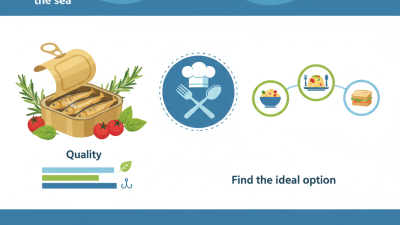
This procurement benchmark summarizes the main criteria used to evaluate sardine suppliers serving the China market. Food-safety compliance, traceability, logistics capability, seasonal production capacity, packaging compliance, and delivery reliability are weighted according to their practical importance in canned seafood sourcing. The chart contains no company or brand-level data.
What Product Types and Packaging Options Are Available?
When comparing top-season sardine suppliers in China, product format often matters more than a polished catalog. Common options include whole sardines, cleaned fish, fillets, and boneless portions. Some processors provide fresh, frozen, canned, or smoked sardines. Each format suits a different kitchen, retail shelf, or foodservice schedule. Ask for the species, catch area, harvest season, size range, and processing date. These details support traceability and more reliable purchasing decisions.
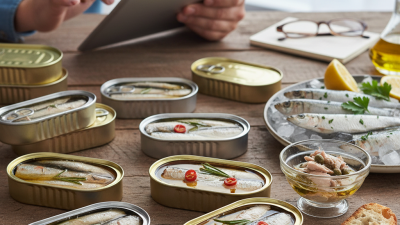
Packaging may include vacuum pouches, sealed trays, cans, cartons, and bulk cases. Vacuum packs limit air exposure and reduce freezer burn. IQF pieces help kitchens control portions with less waste. Cans may contain oil, brine, tomato sauce, or plain water. Frozen products need insulated cartons and consistent cold-chain handling. I would not judge quality by packaging alone. A bright label can hide weak documentation. Request product specifications, sample packs, storage instructions, and recent inspection records. A clear photo of the fish can reveal broken pieces, excess liquid, or uneven sizing.
Tips:
Match pack sizes to your sales rhythm. Check canned sardines after draining. Confirm allergen statements, language labels, storage temperatures, and minimum order quantities. One small gap matters. A trial shipment may reveal thawing, leaking seals, or inconsistent portions before a larger purchase.
How Can Buyers Evaluate and Select a Reliable Supplier?
China’s top-season sardine suppliers are usually processors located near major fishing ports. They handle freezing, grading, packing, and export documentation. However, location alone proves little. The FAO reported 185.4 million tonnes of global aquatic animal production in 2022, showing the scale of competition and supply complexity. Buyers need evidence, not attractive claims.
Ask for harvest-area records, vessel information, landing dates, and batch-level traceability. A reliable supplier should provide microbiological results, heavy-metal testing, product specifications, and valid food-safety certificates.
Compare these documents with the actual sample. The fish should have firm flesh, natural color, clean odor, and limited ice damage. Test thaw loss, too. It often exposes weak freezing control.
Seasonal capacity also matters.
Request the supplier’s monthly output, cold-storage capacity, and backup logistics plan. The OECD-FAO Agricultural Outlook 2024–2033 highlights continued growth in global fish consumption, which may increase pressure on raw-material availability. Therefore, confirm whether quoted volumes come from current inventory or future catches. That distinction is critical.
A factory audit is useful. It is not perfect. Some buyers focus too heavily on certificates and ignore daily sanitation practices. I would review corrective-action records, worker hygiene, temperature logs, and complaint handling. Ask for a paid trial order before signing a long contract. Price still matters, but an unusually low offer may reflect smaller fish, weaker packaging, or uncertain traceability. Buyers should compare total delivered cost, not only the invoice price.