What Are the Best Types of Canned Fish to Buy?
Choosing the best tin can fish starts with the fish itself, not the label’s promises. Sardines offer small, savory portions; salmon suits salads and quick meals; mackerel brings a richer, oilier texture. Tuna is versatile, while anchovies add a concentrated, salty note. The right choice depends on how you plan to eat it.
The scale of seafood production makes informed buying worthwhile. The FAO’s 2024 State of World Fisheries and Aquaculture report says global fisheries and aquaculture produced 223.2 million tonnes of aquatic products in 2022. About 89 percent of aquatic animal production went to direct human consumption. Those figures describe a broad food system, not canned fish alone, but they help explain why species and sourcing deserve attention. Seafood writer and fisheries advocate Paul Greenberg has described fish as “the last wild food.” It is a memorable line, though it does not settle what belongs in your pantry.
Check the species, origin, ingredients, and nutrition panel. Compare products packed in water, oil, or brine; a glossy tin can hide a salty or oily profile you may not want. Look for clear sourcing information, and consider varying species rather than relying on tuna every week. Small details matter. No single can wins every test, and labels do not always make comparison easy. This guide will weigh flavor, texture, nutrition, price, and practical use to help you choose with more confidence.
What Makes a Canned Fish a Good Buy?
A good canned fish is not simply the cheapest one on the shelf. Check the fish type, ingredient list, and drained weight before comparing prices. A can packed in water may weigh more overall but contain less fish than expected. The nutrition panel can clarify sodium and protein per serving. Small details matter.
The liquid changes flavor and texture. Olive oil can make sardines or tuna richer, while water gives a milder base for salads. For a quick check, drain a sample portion and notice whether the fish stays in solid pieces or breaks into mush. That matters. A short ingredient list is often easier to assess, though salt, broth, or oil may suit a particular recipe.
Look for clear information about the species and where it was caught or farmed. Sustainability labels can help, but check what their claims actually cover rather than treating a logo as a guarantee. Also inspect the can: avoid one that is bulging, leaking, or deeply dented, especially near a seam. I wouldn’t judge value by price alone. A slightly costlier can may provide more usable fish, better texture, or less salt—but those differences are not always obvious until you open it.
The Main Types of Canned Fish and Their Uses
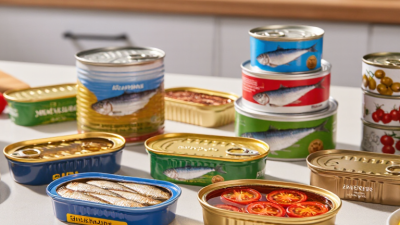
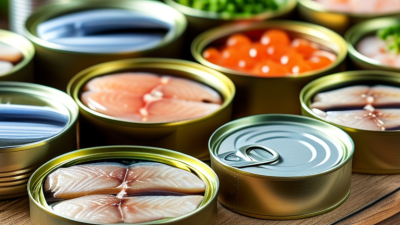
The best canned fish depends on the meal, not a single ranking. Tuna has a mild taste and firm flakes, making it useful in sandwiches, salads, and pasta. Sardines are richer and softer; mash them onto toast or add them to tomato sauce. The FAO’s 2024 State of World Fisheries and Aquaculture report says 89% of aquatic animal production in 2022 went to direct human consumption. Canned fish is one convenient way to serve it.
Salmon works well in patties, grain bowls, or a quick lunch with lemon. Its soft texture can need a little crunch, such as chopped celery. Mackerel has a stronger, oily flavor that suits rice, toast, and bold seasonings. Anchovies bring concentrated saltiness; a small amount can deepen a dressing or stew. Small flakes matter. Check the label for added salt, packing liquid, and edible bones, since these change both flavor and texture. I sometimes find the liquid more useful than expected, though it can make a dish too salty.
Tip: Choose tuna packed in water for a lighter salad, or oil-packed sardines when you want a richer bite. Drain gradually and taste before adding salt.
What Are the Best Types of Canned Fish to Buy?
Compare approximate protein content per 100 g of canned fish. Values can vary by species, packing liquid, and preparation.
Common uses: Tuna works well in salads and sandwiches; sardines on toast or in pasta; salmon in patties or salads; mackerel with rice or noodles; and anchovies in sauces and dressings.
Approximate figures are based on generic food-composition entries, including USDA FoodData Central records. Check product labels for exact nutrition information.
Comparing Flavor, Nutrition, and Price
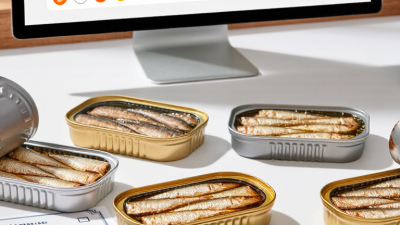
Canned sardines offer a bold, savory flavor and usually provide protein and omega-3 fats. When packed with their soft bones, they also contain calcium. The bones may surprise new buyers. Taste is personal. Sardines often cost less than canned salmon, though prices vary by size and packing liquid. Salmon has a milder taste and tender flakes, with protein and omega-3 fats. It may cost more, especially in larger fillets. Check the drained weight, not just the can price.
Canned tuna is often lean, mild, and affordable, making it easy to add to sandwiches or salads. Its nutrition varies by species, and some types contain more mercury than others, so variety matters. Mackerel is richer and oilier, with a stronger flavor that works well over rice. Anchovies are intensely salty, so a little can season a whole dish. Sodium levels differ across products; compare labels if that matters to you. A practical comparison is to taste fish packed in water and oil side by side. Oil can soften sharp flavors, but it also changes calories and texture. Price rankings can feel overly neat: local supply and can size often change the better buy.
How to Choose Canned Fish for Different Meals
For sandwiches and packed lunches, choose canned tuna when you want a mild flavor and firm flakes. It mixes easily with chopped celery, lemon, or a little yogurt. Keep it simple. If you prefer a richer taste, canned salmon works well in patties or over warm potatoes. Check for skin and bones if their texture might bother you; the small bones in some cans are soft and edible.
Sardines suit toast, grain bowls, and pasta with tomatoes. Their flavor is assertive, so a squeeze of lemon or crisp cucumber can balance it. Mackerel is another satisfying option for rice bowls, especially with greens and a sharp dressing. It can taste oily straight from the tin. Draining some of the oil may help, though you may lose flavor too.
Match the fish to the meal, not just the recipe. For a cold lunch, look for sturdy pieces; for sauces, softer flakes are easier to stir in. Compare sodium on the nutrition label, since levels vary between products. Canned fish can be convenient, but it is not always a perfect substitute for fresh fish. The texture sometimes surprises me—especially in salads—so tasting a small portion before seasoning is a sensible habit.
| Type of Fish | Flavor and Texture | Good Choices for Meals | Nutrition Notes | What to Look For |
|---|---|---|---|---|
| Salmon | Rich, savory flavor; flakes easily and is usually moist. | Salmon cakes, salads, pasta, rice bowls, sandwiches, and fish chowder. | A source of protein and omega-3 fats. Products with soft, edible bones also provide calcium. | Choose boneless or bone-in depending on the recipe. Check whether it is packed in water or oil, since this affects richness. |
| Sardines | Bold, savory flavor; tender, oily flesh. | Toast, salads, pasta, grain bowls, and quick meals with lemon or tomato. | Provide protein and omega-3 fats. Sardines eaten with their soft bones are a source of calcium. | Choose skinless and boneless for a milder texture, or bone-in for calcium. Compare sodium levels, especially for salted varieties. |
| Light Tuna | Mild flavor and a firm, flaky texture. | Tuna sandwiches, salads, casseroles, pasta, and wraps. | A lean source of protein. Canned light tuna generally has less mercury than albacore tuna, though levels can vary. | Check the label for “light” tuna and compare sodium. For a moist salad, oil-packed tuna works well; water-packed tuna is usually leaner. |
| Albacore Tuna | Milder, meatier flakes with a firmer texture than many light-tuna products. | Composed salads, sandwiches, pasta salads, and dishes where distinct flakes are useful. | Provides protein, but typically contains more mercury than canned light tuna. | Check the species and follow local seafood advice, particularly for children and people who are pregnant or may become pregnant. |
| Mackerel | Rich, oily, full-bodied flavor; tender flesh. | Rice bowls, toast, salads, pasta, and strongly seasoned dishes. | A source of protein and omega-3 fats. Mercury levels depend on the mackerel species. | Check the species on the label. Atlantic and chub mackerel are generally lower in mercury than king mackerel. |
| Herring | Rich, distinctive flavor and soft, oily flesh. | Rye bread, potato salads, grain bowls, and meals with pickled vegetables or mustard. | Provides protein and omega-3 fats. | Smoked or pickled versions can be salty, so check sodium if you are watching your salt intake. |
| Anchovies | Intensely salty and savory; they soften or dissolve into hot dishes. | Pasta sauces, dressings, pizza, roasted vegetables, and stews. | Provide protein, but many products are high in sodium because they are cured with salt. | Use a small amount to season a dish. Rinsing can remove some surface salt, but sodium content varies by product. |
What to Check on Labels and Packaging
When comparing canned fish, read the ingredient list before judging the front label. A short list naming fish, water or oil, and perhaps salt is easy to understand. Check the species and form, too: solid pieces, flakes, or skin-on fillets suit different meals. The nutrition panel can reveal a less obvious difference. FDA guidance sets the sodium Daily Value at 2,300 milligrams; 20% or more per serving is considered high. Compare serving sizes as well, since a small listed portion can make numbers look modest.
Look closely at the can’s seams and ends. USDA food-safety guidance advises avoiding cans that are bulging, leaking, badly dented, or heavily rusted. A dent near a seam deserves particular caution. The package should also show a clear best-by date and intact printing. For pouches, check for punctures, swelling, or broken seals. Don’t buy damaged packaging.
The packing liquid matters. Oil may add richness and calories, while water can make draining simpler; the label confirms which one you’re getting. If the fish is packed with added salt, compare brands by sodium per serving—not just by words like “light.” I still find serving-size comparisons a little clumsy, especially when products list different drained weights. For mercury guidance, FDA and EPA’s fish advice identifies canned light tuna as a lower-mercury choice than albacore or white tuna; species labels help shoppers make that distinction.