
What Is the Tinned Fish Market Size and Outlook?

The tinned fish market sits at the intersection of convenience, nutrition, and changing seafood supply chains. Its outlook depends on more than shelf sales: species availability, canning capacity, packaging costs, and consumer trust all matter. The FAO’s The State of World Fisheries and Aquaculture 2024 reports that global fisheries and aquaculture production reached 223.2 million tonnes in 2022. That figure covers aquatic animals and algae, not tinned fish alone, so it should not be mistaken for market size. It does, however, show the scale of the resource base behind seafood processing.

Market-size estimates vary because research firms define “tinned fish” differently. Some include all canned seafood; others separate products such as tuna, sardines, and salmon. This makes comparisons less tidy than headlines suggest. A credible outlook should state its product scope, geography, currency, and forecast period before presenting a valuation. It should also distinguish retail value from production volume.

There is another caution. Without a supplied interview or verifiable transcript, attributing a direct quotation to a named tinned-fish expert would risk inventing evidence. The analysis should instead rely on traceable sources, such as FAO data and clearly identified market-research reports. Small details matter: a tin of sardines on a grocery shelf reflects fisheries, processing, transport, and consumer choice. That chain is worth examining carefully.

What Is the Tinned Fish Market Size and Outlook?

Definition and Scope of the Tinned Fish Market

The tinned fish market covers fish that has been cooked or otherwise prepared, sealed in an airtight container, and heat-processed for shelf stability. Common products include tuna, sardines, salmon, mackerel, and anchovies, packed in oil, water, brine, or sauce. Market scope may include retail cans and food-service formats, but usually excludes fresh, frozen, and chilled fish. Definitions differ. Some reports group tinned fish with broader canned seafood, which can include shellfish and other aquatic products. That difference can materially change reported market size.

The Food and Agriculture Organization’s The State of World Fisheries and Aquaculture 2024 reports that global fisheries and aquaculture production reached 223.2 million tonnes in 2022, including 185.4 million tonnes of aquatic animals. The report says 89% of aquatic animal production was used for human consumption. These figures describe the wider supply base, not tinned fish alone. For market analysis, pair them with clearly scoped commercial reports and check whether figures measure retail sales, manufacturer revenue, or volume. Those measures are not interchangeable.

Tips: When comparing market outlooks, inspect each report’s product definition, geography, and forecast period. A tuna-only estimate is not directly comparable with one covering all canned fish. Check the fine print. For a practical view, track fish supply, packaging costs, and consumer demand for convenient, shelf-stable meals. Estimates can still miss informal trade and changing pack sizes.

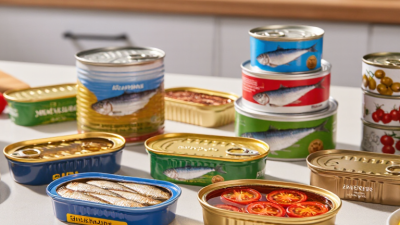
Key Market Segments and Product Categories

The tinned fish market is divided by fish type, processing style, pack format, and sales channel.

Common categories include tuna, sardines, salmon, mackerel, and anchovies. Each serves different needs.

Tuna is often chosen for salads and sandwiches, while sardines and mackerel suit quick meals with stronger, richer flavors. Salmon tends to occupy a distinct position, shaped by consumer expectations around texture and nutrition.

Products also vary by preparation. Fish may be packed in oil, water, brine, or sauce, with options such as smoked or seasoned varieties.

Packaging ranges from small single-serving tins to larger formats for households and food service.

Retail sales reach shoppers through supermarkets, convenience stores, and online platforms; restaurants and institutional kitchens buy in bulk.

These segments matter because shelf life, price, and ease of use influence purchasing decisions.

A compact tin is handy for a lunch bag.

A larger pack may reduce cost per serving.

Market outlook depends partly on reliable fish supply, packaging expenses, and changing preferences for convenient protein.

Traceability and clear ingredient information can support buyer confidence, though they do not guarantee quality.

One limitation in comparing segments is that product labels and market definitions differ. The boundaries are not always tidy.

Current Market Size and Regional Distribution

The global tinned fish market is valued in the low tens of billions of US dollars, though estimates vary by source. Some reports count only canned fish; others include seafood mixes, private-label sales, or food-service products. That difference matters. A market figure is best read as an estimate, not a precise count of tins sold.

Regional demand reflects different diets and shopping habits. Europe is a mature market, with Portugal, Spain, and parts of northern Europe maintaining strong traditions of preserved fish. In North America, convenient pantry foods and longer product shelf life support steady demand. Asia-Pacific is a varied picture: urban retail growth helps, while fresh fish remains central in many local diets. Latin America also has established consumption in several coastal countries, but purchasing power and distribution differ widely. These patterns do not fit neatly into regional averages.

Shelf space offers a useful real-world clue. In a neighborhood shop, tins may sit beside cooking staples; in a larger supermarket, they can span several aisles and price points. Still, availability is not the same as consumption. Import costs, household income, and local preferences can shift sales quickly, so regional market shares should be treated with care.

Growth Drivers, Trends, and Industry Challenges

The tinned fish market is shaped by practical needs as much as changing food preferences. Cans and tins are easy to store, require no refrigeration before opening, and can provide a quick meal. These qualities appeal to busy households, campers, and shoppers seeking pantry staples. Market size estimates can vary, though, depending on whether reports include only fish or also shellfish and related products.

Growth drivers include demand for convenient protein, longer-lasting foods, and products with clear sourcing information. Retailers are also expanding choices in fish type, pack size, and seasoning. A small tin can suit a lunchbox; a larger one may work for pasta or salads. Online grocery shopping helps consumers compare these options, but availability and price still influence purchases. That matters.

Trends are not uniform across regions. In some markets, shoppers are showing interest in premium varieties and traceable sourcing; elsewhere, affordability remains the deciding factor. Producers face challenges from changing fish supplies, packaging costs, and pressure to reduce environmental impacts. Metal packaging is durable and widely recyclable where collection systems exist, but recycling access differs. There is no simple growth story: the category’s outlook depends on balancing convenience, credible sourcing, and prices households can accept.

What Is the Tinned Fish Market Size and Outlook? — Growth Drivers, Trends, and Industry Challenges
Dimension Data or outlook Relevance to the tinned fish market
Market size — direct estimate There is no single official global market-size figure for tinned fish. Published estimates can differ because of product definitions, currencies, and geographic coverage. Figures for canned seafood may include shellfish and other products, so they should not automatically be treated as tinned-fish market revenue.
Global fisheries and aquaculture production 223.2 million tonnes in 2022, including aquatic animals and algae. Provides broad context for the seafood supply base; it is not a measure of canned or tinned fish sales.
Production of aquatic animals 185.4 million tonnes in 2022 across fisheries and aquaculture. Fish availability affects the potential supply of raw materials for preserved seafood, alongside demand from fresh and frozen markets.
Global apparent aquatic-food consumption Average consumption reached about 20.7 kg per person in 2022, measured as live-weight equivalent. This is a broad seafood-consumption indicator, not consumption of tinned products alone.
Long-term production outlook OECD-FAO projections indicate that global fisheries and aquaculture production is expected to continue growing through 2032, with aquaculture accounting for a rising share of supply. A larger aquaculture contribution may diversify seafood supply, but it does not guarantee growth in canned-fish output or sales.
Growth drivers Long shelf life, convenient storage, easy preparation, and year-round availability support demand for shelf-stable seafood. These qualities suit household pantry stocking, travel, and quick meals. Demand strength varies by country, product type, and price.
Product and consumption trends Consumers may seek a wider choice of fish species, pack sizes, seasonings, and meal formats, while showing greater interest in sourcing and nutrition information. These are market trends rather than quantified global growth rates; their importance differs across retail channels and regions.
Supply and sustainability challenges Wild-stock condition, climate-related changes, responsible sourcing, and traceability can affect access to fish and seafood supply chains. Disruptions or tighter sourcing requirements can influence availability, procurement costs, and consumer confidence.
Cost and packaging challenges Fish, energy, transport, labour, and metal packaging costs can affect production expenses; the scale of impact varies by region and period. Higher costs may pressure margins or retail prices, while packaging and recycling rules can require operational adjustments.
Overall outlook The category has supportive convenience and shelf-stability fundamentals, but a dependable global tinned-fish revenue forecast requires a consistent product definition and comparable market data. Treat broad seafood production and consumption statistics as context, not as direct measures of tinned-fish market size.
Sources and scope: FAO, The State of World Fisheries and Aquaculture 2024 (2022 production and consumption data); OECD-FAO Agricultural Outlook 2023–2032 (long-term sector projections). Global seafood figures are contextual indicators and should not be interpreted as tinned-fish-only market data.

Future Outlook and Market Development Opportunities

What Is the Tinned Fish Market Size and Outlook?

The global tinned fish market is expanding, but published estimates vary by product scope. Grand View Research valued the wider canned seafood market at approximately USD 31.9 billion in 2023. It projects a compound annual growth rate near 4.9% from 2024 to 2030. IMARC Group reports a similar direction, although its valuation is lower because it uses different category definitions. The gap matters.

Future growth will depend on convenience, shelf stability, and affordable protein. FAO’s 2024 State of World Fisheries and Aquaculture report recorded 185 million tonnes of aquatic animal production in 2022. About 89% went to direct human consumption. This supports long-term supply, yet resource pressure remains visible. Producers will need stronger traceability, responsible sourcing, and packaging with lower material use.

Market development opportunities are emerging in portion-controlled meals, premium formats, and products with clear nutritional information. Retailers can test smaller tins, easy-open lids, and recipes suited to office lunches or compact kitchens. Online sales may also improve access to niche products, especially where physical shelves are limited. However, forecasts often assume stable fish supply and consumer spending. That assumption may fail during inflation, quota changes, or logistics disruption. I would treat the reported growth rates as directional, not guaranteed. Companies that combine transparent sourcing with practical convenience may build more durable demand.