How to Source Tinned Fish Online in 2026?

Sourcing tinned fish online in 2026 requires more than comparing prices and attractive product photographs. Buyers need evidence about species, origin, processing, packaging, and delivery conditions. The FAO’s The State of World Fisheries and Aquaculture 2024 reported 185.4 million tonnes of global fisheries and aquaculture production in 2022. That scale creates variety, but it also makes supply-chain claims harder to verify. A reliable online seller should identify the fish clearly, disclose the country of processing, and provide traceability or certification details when available.

Small details matter. Examine the can’s seams, dents, rust, best-before date, and lot code before ordering. The U.S. FDA and European food-safety authorities treat commercially sterilized seafood as a controlled product, yet damaged packaging can still compromise quality. Product descriptions should also explain oil or water packing, net weight, allergens, and storage instructions. For chilled delivery, check dispatch timing and insulated packaging. Shelf-stable does not mean careless shipping.

Market research from Grand View Research and IMARC Group indicates continued growth in canned and preserved seafood demand, supported by convenience, longer shelf life, and premium products. However, market forecasts are not proof of supplier quality. They can simplify regional differences. A careful buyer should compare several retailers, read recent reviews, and request documentation for unusually expensive products. Read the label. Avoid vague claims such as “sustainably sourced” without supporting detail. This guide examines practical methods for finding tinned fish online, while acknowledging an uncomfortable point: even experienced buyers can miss misleading information hidden behind polished packaging.
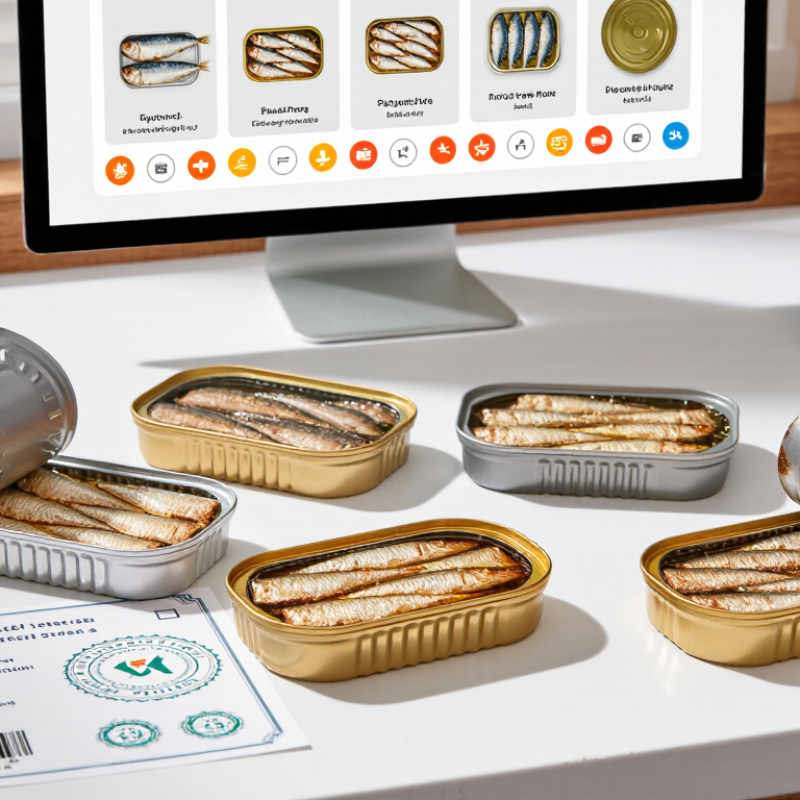
How to Source Tinned Fish Online in 2026?

Define Your Tinned Fish Needs and Quality Standards

Before sourcing tinned fish online in 2026, define exactly what you need.

Choose the species, cut, packing medium, salt level, and preferred tin size. A firm fillet in olive oil behaves differently from a softer product packed in water. Decide whether you need everyday portions or premium servings for direct tasting. Write these details down. Vague requirements invite disappointing purchases.

Tips: Check the ingredient list, net weight, draining weight, harvest area, and best-before date. Look for intact tins without swelling, deep dents, rust, or leaking seams. Reliable sellers should provide traceability information and clear food-safety documentation.

Product photographs can help, but they are not enough. Ask questions before ordering. Quality also depends on handling after delivery. The tins should arrive clean, dry, and protected from extreme heat.

I compare several listings rather than trusting the lowest price. That habit has saved money, although I still miss details sometimes. A short product description may hide high sodium or an unclear species name.

Consider independent testing when buying large quantities, especially for professional use. Keep invoices and lot numbers for future checks. Taste one tin before committing to a larger order.

Personal preference can challenge technical standards. A product may meet every specification yet feel too oily, too soft, or simply wrong for your menu.

Compare Online Suppliers, Product Types, and Country-of-Origin Options

How to Source Tinned Fish Online in 2026?

When sourcing tinned fish online, compare suppliers beyond price and product photos. I check lot codes, packing dates, ingredient lists, and traceability documents. Reliable suppliers explain their processing sites, storage conditions, minimum order quantities, and delivery schedules. Ask whether the fish was caught locally or imported before packing. “Packed in” does not always mean “caught in.” That distinction matters.

Product type changes both quality and customer demand. Sardines suit affordable everyday meals, while tuna often serves salads and prepared foods. Mackerel offers a richer texture and higher oil content. Anchovies work better as a seasoning than a main portion. Compare fillets, whole fish, skin-on options, and boneless cuts. Test oil-packed and water-packed samples. Small details matter. Pull-tab lids may improve convenience, but they can increase unit costs.

Country of origin also affects flavor, texture, labeling, and perceived value. Coastal regions may specialize in specific species or traditional sauces. Review catch areas, fishing methods, certification records, and allergen controls where available. I once focused too heavily on wholesale pricing and underestimated damaged cartons during transport. My spreadsheet looked precise. It was not. Request samples, inspect the tins, and record texture after opening. A supplier’s quick reply is useful, but documented evidence is stronger. Supplier comparison remains imperfect when harvest seasons, exchange rates, and shipping conditions change.

Verify Packaging, Freshness, Certifications, and Seller Reliability

When sourcing tinned fish online in 2026, inspect the packaging before chasing a low price. Product photos should show the lid, base, batch code, and expiry date clearly. Avoid cans with swelling, deep dents near seams, rust, or sticky leakage. A tiny surface mark may be harmless, but I would not gamble on damaged seams. Packaging still matters more than attractive photography.

Check freshness through dates and storage details. Canned fish does not need to look recently caught, but it should have a reasonable shelf life remaining. The listing should explain storage conditions, such as a cool, dry warehouse away from sunlight. After delivery, examine the parcel for heat exposure or crushed cartons. I once accepted a dented can because the discount seemed sensible. It was a poor decision. A refund request became complicated.

Reliable sellers provide traceable product information, clear contact details, and realistic delivery times. Look for certification names, certificate numbers, issuing bodies, and the exact facility or product scope. A certification logo alone proves very little. Independent reviews can reveal repeated issues, including weak packaging or late dispatches. Ask one precise question before ordering. A vague answer is useful evidence. Keep invoices and batch photographs for your records. Certification requirements and import rules can differ by location, so verify current guidance from an official food authority before purchase.

Calculate Total Costs, Shipping Conditions, and Delivery Times

When sourcing tinned fish online in 2026, calculate landed cost, not shelf price. Use this formula: product total, packaging, insurance, shipping, taxes, and payment fees. Add a buffer for currency movement and inspection delays. The 2024 UNCTAD Review of Maritime Transport documented continuing freight-rate volatility. Therefore, one shipping quote is not a stable forecast. Ask for carton dimensions, gross weight, pallet count, and the shipment’s Incoterm. A low unit price can hide expensive air freight. That hurts.

Compare postal parcels, couriers, and consolidated ocean freight. Record dispatch dates separately from transit times. Couriers may arrive within three to seven business days. Consolidated freight can take several weeks, depending on ports and customs. These are planning ranges, not guarantees. The World Bank’s Logistics Performance Index 2023 shows major differences in customs efficiency, infrastructure, and delivery timeliness. Request tracking milestones, temperature requirements, breakage policies, and delay procedures. Tinned products usually tolerate ambient transport, but heat, dents, and moisture can reduce saleability. Check shelf life on arrival, not only the manufacture date.

Build a landed-cost table for every route. Include minimum order quantities and storage rent. Last-mile fees are often ignored. That mistake is costly. Recheck the figures after a sample shipment. A spreadsheet can look precise and still be wrong. Keep invoices, specifications, and delivery records for supplier review and local compliance checks.

Place, Inspect, and Safely Store Your Tinned Fish Order

How to Source Tinned Fish Online in 2026?

A careful order begins before payment. Choose a seller that provides clear product details, origin information, ingredients, allergens, net weight, and best-before dates. Reliable listings should show the can’s condition and explain their delivery process. Check recent customer feedback, but do not trust ratings alone. A polished page can still hide poor packing.

When the parcel arrives, inspect every tin under good light. The can should feel firm and show no swelling, leakage, deep dents, or spreading rust. Avoid tins with damage around the lid or seam. Check the label, date, lot code, and seal. Take photographs before opening questionable packaging. This creates useful evidence if a replacement is needed. Do not taste a suspicious tin. That shortcut is not worth the risk.

Store unopened tins in a cool, dry, dark cupboard, away from ovens and sinks. A stable room temperature is better than a hot garage or sunny shelf. Keep older cans in front, and use them earlier. After opening, transfer the fish to a clean, covered glass or food-safe container. Refrigerate it promptly, and follow the label’s storage advice. Many opened products are best eaten within three to four days. I still find this step easy to overlook. Small routines prevent larger problems. If the can leaks, bulges, sprays liquid, or smells unusual, discard it without sampling.

How to Source Tinned Fish Online in 2026? - Place, Inspect, and Safely Store Your Tinned Fish Order

Practical online-order checklist for shelf-stable tinned fish
Stage Data Dimension Recommended Standard or Realistic Range What to Do Safety or Quality Note
Source Seller information Clear product name, fish species, net weight, ingredients, allergen statement, country of origin, and storage instructions Compare the online listing with the information printed on the product images or packaging description. Avoid listings with missing food-label information or unclear product photographs.
Source Can format and condition stated in the listing Standard cans, easy-open cans, jars, or pouches should be described accurately. Check whether the product is shelf-stable, refrigerated, or intended for immediate consumption. Do not assume every fish product is shelf-stable; follow the specific package instructions.
Source Date and lot information A clearly printed best-before date and traceable lot code Ask the seller for the available date range when buying several cases or clearance stock. Best-before dates mainly indicate quality; a damaged or improperly stored can should not be used regardless of its date.
Place Delivery timing Prompt delivery without prolonged exposure to extreme heat, freezing temperatures, or moisture Choose delivery dates when someone can receive and inspect the parcel soon after arrival. Shelf-stable cans do not normally require chilled transport, but heat and freezing can reduce quality or damage the container.
Inspect Can body and seams Flat ends, intact seams, no leakage, no swelling, and no deep dents Examine every can before putting it away. Reject cans that are bulging, leaking, badly dented, punctured, or visibly compromised around the seams.
Inspect Rust and surface damage Minor superficial discoloration may be cosmetic; active rust, pitting, or corrosion is unacceptable. Separate questionable cans and photograph the damage for a refund or replacement request. Corrosion can weaken the container and compromise its seal.
Inspect Package cleanliness and odor Clean, dry packaging with no unusual odor before opening Wipe external dirt from an intact can before opening it. Do not taste food from a suspicious can. Discard it if it spurts liquid, smells abnormal, or looks unusual after opening.
Store Location Cool, clean, dry, and well-ventilated cupboard; ideally below 85°F (29°C) Keep tins away from ovens, radiators, direct sunlight, sinks, and damp floors. Avoid temperature fluctuations and moisture, which can shorten quality life and encourage corrosion.
Store Stock rotation First in, first out Place older cans at the front and record the best-before date for large purchases. Use cans before their best-before date for better flavor, texture, and nutritional quality.
After Opening Refrigeration temperature 40°F (4°C) or below Refrigerate leftovers promptly in a covered glass or food-safe plastic container. Do not leave opened fish at room temperature for more than 2 hours, or 1 hour when temperatures exceed 90°F (32°C).
After Opening Refrigerated use-by window Consume within 3–4 days Label the container with the opening date and discard leftovers kept longer than the recommended period. When in doubt about time or temperature history, discard the food rather than tasting it.
Important: Product-specific label instructions take priority. Refrigerated, vacuum-packed, or otherwise non-shelf-stable fish products require different handling from unopened commercially canned fish.