Why Buy Sardines in Bulk from Global Suppliers?
Why buy sardines in bulk from global suppliers? For retailers, food-service buyers, and processors, sourcing choices can shape costs, supply continuity, and product variety. A qualified supplier may offer different pack sizes, species, and preparation styles, from olive-oil tins to water-packed options. Details matter. Buyers should compare origin information, ingredient lists, can condition, storage guidance, and available product documentation before ordering. Bulk purchasing can simplify replenishment when demand is steady. It can also create pressure when forecasts miss.
Global sourcing expands options, but distance adds questions. Ask how products are packed, how shipping conditions are monitored, and how lead times may change across seasons. Request samples and current product specifications. Check that labels and nutritional details suit the intended market. Confirm minimum order quantities, payment terms, and procedures for delayed or damaged goods in writing. A low unit price is not the whole calculation. Freight, duties, storage, and product loss can change the landed cost. Keep records.
This guide explores practical reasons to buy sardines in bulk, how to assess suppliers, and which trade-offs deserve attention. Sardines are shelf-stable when processed and stored as directed, yet product quality still depends on careful handling and clear specifications. Buyers should verify supplier claims rather than assume every offer meets the same standard. Sometimes a smaller order is wiser. The best sourcing choice fits actual sales, available storage, and the buyer’s quality checks—not simply the largest discount.
Understanding Bulk Sardine Sourcing from Global Suppliers
Understanding bulk sardine sourcing from global suppliers starts with knowing what is in the case. Sardines can differ in species, size, oil content, and flavor depending on catch area and season. Ask suppliers to identify the origin, harvest period, processing location, and product form, such as whole, cleaned, or filleted fish. Details matter.
A reliable sourcing discussion should also cover freezing and handling. Ask how quickly fish are chilled after landing, how they are packed, and what temperature records are available during storage and transport. Request product specifications, current certifications, and traceability documents before placing a large order. Then compare a sample with the stated size, texture, and salt level. Paperwork helps, but it cannot replace checking the product.
Global suppliers may offer steady volumes, yet availability and freight schedules can change. Build a realistic buffer into delivery plans, especially when orders depend on a particular catch window. Confirm minimum quantities, packaging dimensions, payment terms, and procedures for reporting damaged or inconsistent shipments. No checklist catches everything; specifications may still leave room for interpretation. A small trial order can expose gaps before they affect a full shipment. Bulk buying works best when expectations are written clearly and reviewed against each delivery.
Assessing Product Quality, Freshness, and Traceability
Buying sardines in bulk can improve supply planning, but volume only helps when quality is verified lot by lot. FAO’s The State of World Fisheries and Aquaculture 2024 reports that 185.4 million tonnes of aquatic animals were produced in 2022; about 89% went to direct human consumption. That scale makes reliable handling records essential. Check harvest dates, catch areas, chilling or freezing times, and batch identifiers—not just the supplier’s general quality statement.
Freshness leaves practical clues. Thawed sardines should smell clean and marine, not sour; flesh should feel firm, with intact skin and no excess liquid in the pack. Codex’s Code of Practice for Fish and Fishery Products emphasizes hygienic handling and time-temperature control. Ask for temperature logs and representative inspection records, then compare them with the delivered lot. A certificate alone is not proof that every carton was handled well. Records can still miss a brief temperature break.
Tips: Request a sample from the same production lot before confirming a bulk order. Match carton codes to catch and processing records, and photograph seals and labels on arrival. Keep a simple receiving log. It may feel fussy, but gaps in paperwork deserve a follow-up, even when the fish looks fine.
Comparing Bulk Pricing, Packaging, and Product Formats
Buying sardines in bulk requires more than comparing the quoted price per kilogram. Ask suppliers to price the same fish size, packing medium, and drained weight. A low unit price may reflect smaller portions or more liquid in each can. The gap can surprise. Compare the delivered cost too, including freight, pallet quantities, and any handling fees. Request a current specification sheet and sample before placing a large order.
Tips: Compare like with like. Check net weight, drained weight, can dimensions, and units per case. Confirm whether prices apply to a trial order or a full container.
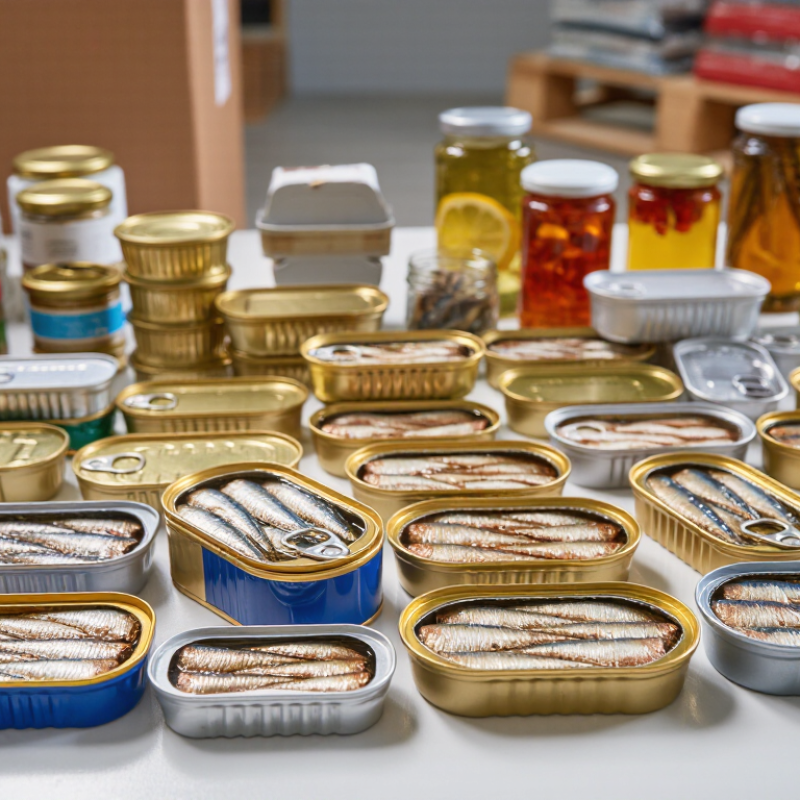
Packaging affects storage, shipping, and serving. Metal cans are sturdy and stack neatly, while pouches can take less shelf space but may need careful handling. Glass jars show the product clearly, yet add weight and breakage risk in transit. Sardines packed in water, oil, or sauce also vary in taste and usable weight. Ask for packaging measurements and case weights; these details help estimate storage space and freight accurately. It is easy to overlook them. Bulk buying can lower costs, but only when the format suits your sales pace and storage conditions.
Reviewing Shipping, Storage, and Import Requirements
Buying sardines in bulk can lower unit costs, but shipping format changes the risk. Canned sardines are shelf-stable, yet cartons can buckle when pallets shift or containers become damp. Ask suppliers for pallet dimensions, carton strength, lot codes, and loading photos. Check that seals remain intact and labels match the destination market’s language and rules.
Frozen sardines need a dependable cold chain. Keep product at -18°C or colder, and request temperature records from loading through arrival. A short temperature break can damage texture, even when fish still looks acceptable.
FAO’s The State of World Fisheries and Aquaculture 2024 reports that 89% of aquatic animal production was used for direct human consumption in 2022. That scale makes handling and traceability consequential, not paperwork for its own sake.
Before ordering, confirm the importing country’s requirements for health certificates, catch documentation, ingredient and allergen declarations, and label format. Requirements vary by market and product type, so verify them with the competent authority or a licensed customs broker before shipment. Build time into the schedule for document checks and port inspections. Small details matter. A buyer may focus on the purchase price and overlook destination storage fees, demurrage, or damaged cartons. Ask for the full landed-cost estimate, then compare it with your expected turnover and available dry or frozen storage space.
Choosing a Reliable Supplier for Long-Term Purchasing
For long-term sardine purchasing, a low opening price is only one part of the calculation. Check whether a supplier can maintain the same species, pack size, and delivery schedule across repeat orders. Ask for recent lot records showing harvest area, processing date, storage conditions, and lot code. These details help your team compare shipments when color, oiliness, or can weight varies. Small differences matter.
The FAO’s The State of World Fisheries and Aquaculture 2024 reports that 37.7% of aquatic animal production was traded internationally in 2022. That scale creates options, but distant sourcing also makes documentation and communication essential. Before committing to volume, request product specifications, food-safety documentation, and temperature records for a sample shipment. Confirm how quickly the supplier reports delays or specification changes. A neat certificate folder is useful, but it cannot replace consistent shipment checks.
Build a trial order into the purchasing plan. Compare delivered cost per usable case, not just the quoted price, and record damage, short fills, and arrival condition. Ask how seasonal supply changes affect lead times and available pack formats. A supplier that answers clearly, shares traceable lot information, and resolves a discrepancy with evidence is easier to assess over time. No supplier is flawless; document the exceptions, and review the pattern before increasing order size.